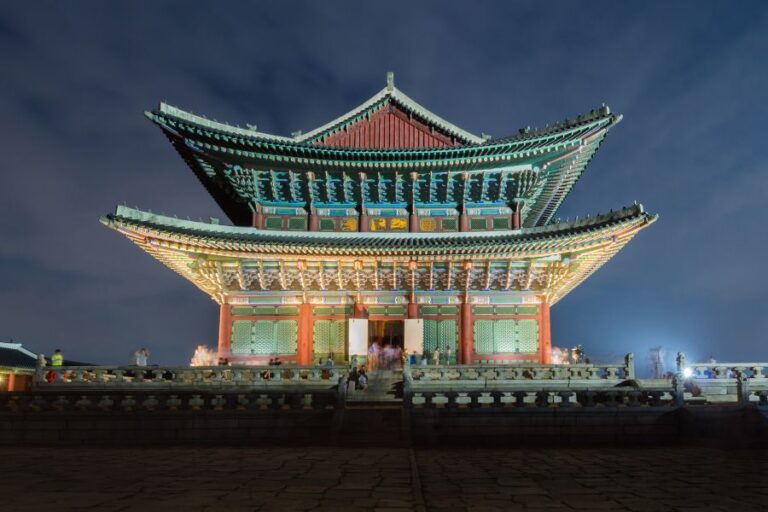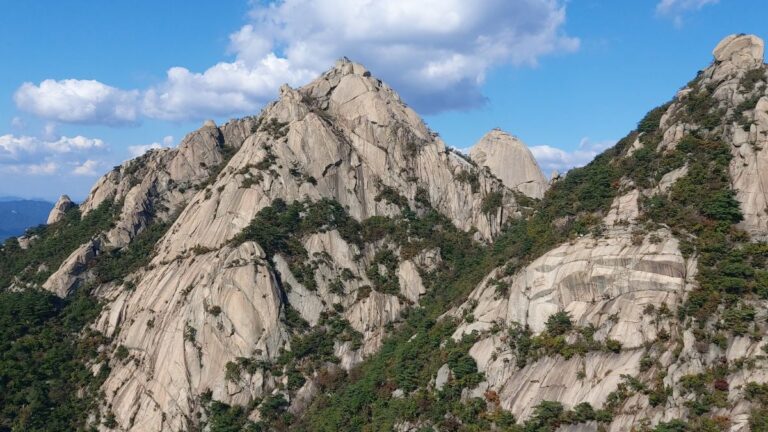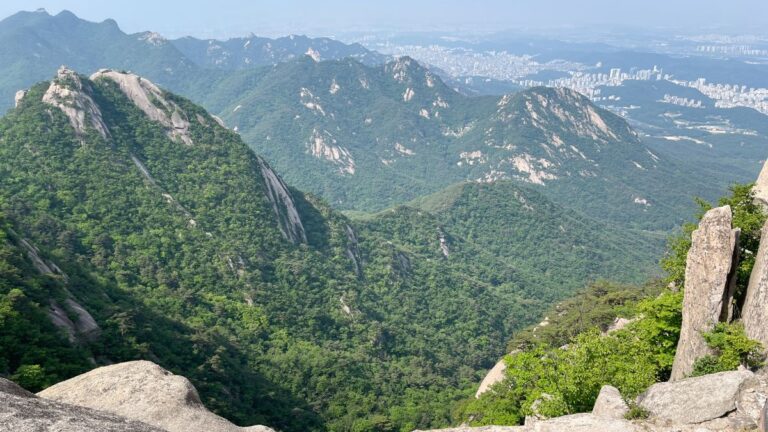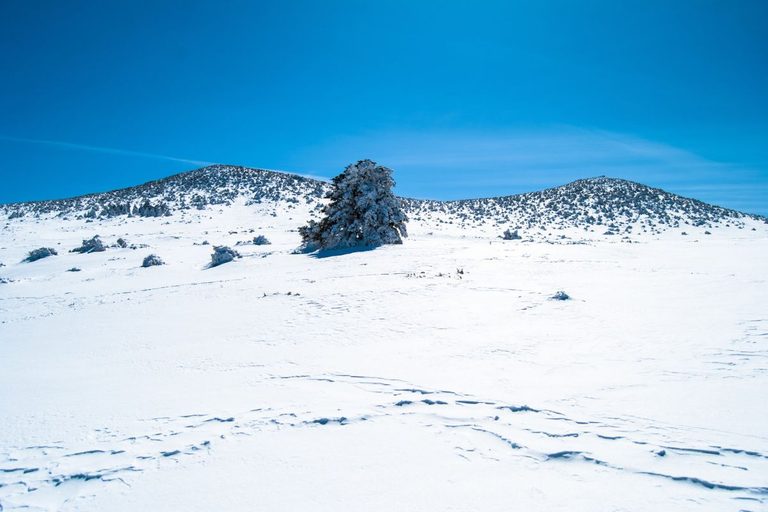
Whether your Seoraksan trip goes well comes down to two decisions — your transportation and your trail choice. It’s roughly a 5-hour round trip from Seoul, which already raises the question of whether a day trip is even possible, and the trails range from the easy Biseondae course all the way to Daecheongbong, which requires an advance reservation. On top of that, winter hiking without crampons can genuinely be dangerous. This guide covers everything — how to get to Seoraksan from Seoul, how to choose between trails, how to use the cable car, and what you need to know to stay safe in winter.
Getting from Seoul to Seoraksan
The most common way to reach Seoraksan is an express bus from Dong Seoul Terminal to Sokcho Express Bus Terminal. The distance is about 179km, and the trip takes roughly 2 hours and 30 minutes, with 18 departures a day (the first bus leaves at 7:00 AM, the last at 8:30 PM).
One thing worth knowing: the gaps between buses aren’t evenly spaced. The average interval is about 48 minutes, but buses run less frequently between 11:10 AM–12:50 PM and 4:20 PM–6:00 PM. If your timing lands in one of those windows, you could end up waiting longer than expected at the terminal, so it’s worth checking the exact schedule before you head out.
Once you arrive at Sokcho terminal, you’ll still need to take a local bus or taxi to reach Seoraksan’s Sogongwon entrance (the main ticket area). Factor this leg in too when you’re calculating your total travel time for the day.
Why Choosing the Right Trail Matters So Much
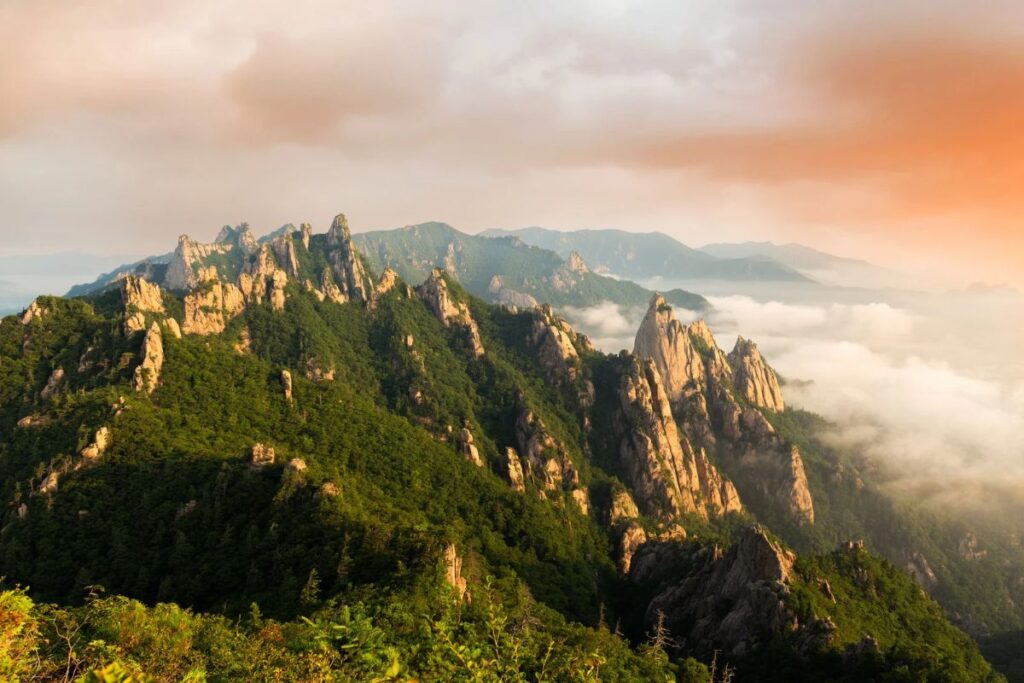
Seoraksan’s trails vary wildly in difficulty, and picking the wrong one can throw off your entire plan. Here’s the full picture at a glance.
| Trail | Distance | Round-Trip Time | Difficulty | Highlights |
|---|---|---|---|---|
| Biseondae Course | ~3km | 2–3 hours | Easy | Starts at Sogongwon, views of Towangseong Falls |
| Ulsanbawi Course | ~4km | 3–4 hours | Moderate | Passes Sinheungsa Temple (free entry) and Heundeulbawi Rock, 808 steps near the summit |
| Daecheongbong Course | Multiple access points (Osaek, Hangyeryeong, Sogongwon) | 7+ hours | Very hard | Requires advance reservation through the national park system |
If you don’t have a lot of time or stamina, Biseondae or Ulsanbawi are more than enough to experience Seoraksan’s charm. If your goal is Daecheongbong, Seoraksan’s highest peak, you’ll need a 1-night-2-days plan or longer, plus an advance reservation.
The Cable Car (Gwongeumseong) — Experiencing Seoraksan Without the Climb
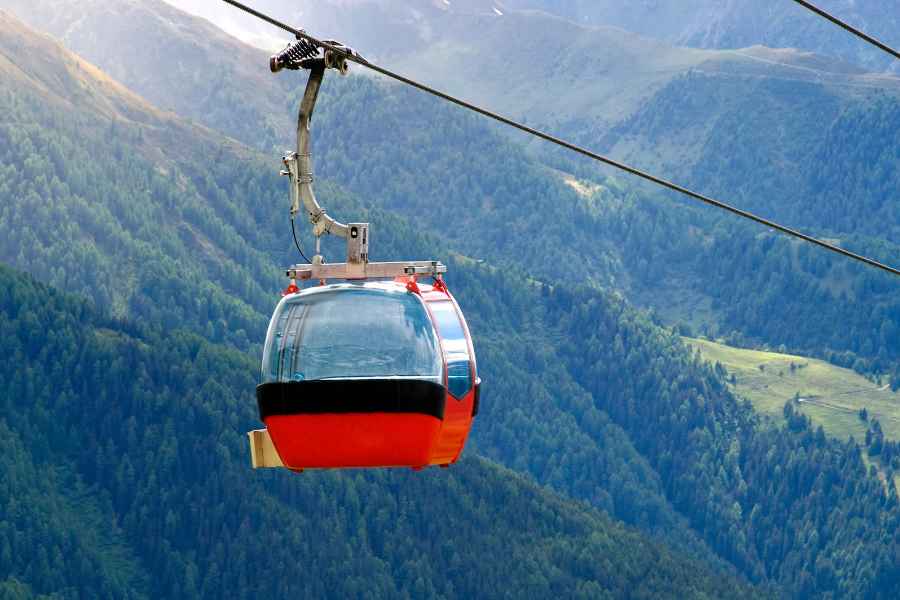
If a long hike feels like too much, or you’re short on time, the Gwongeumseong cable car is a great alternative. It departs from Sogongwon and takes about 10 minutes to reach roughly 700m above sea level, with views of Ulsanbawi and the Mangyeongdae rock ridge along the way.
One important thing to know: there’s no one-way ticket — only round-trip tickets are sold. It operates year-round, but weekends, holidays, and especially fall foliage season can mean long wait times, so it’s worth building in extra time. Always double-check the current fare and operating hours before your visit.
What to Bring in Winter
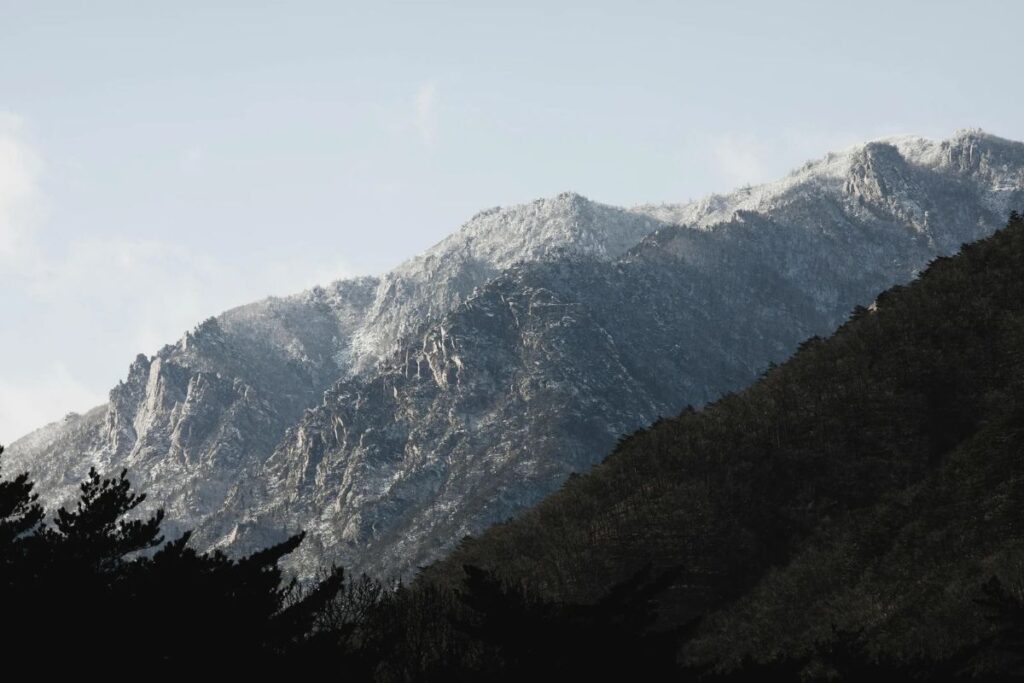
There are literally signs posted at the Seoraksan trailheads that say “crampons required, the trail is very slippery.” Hiking on packed, icy winter trails in regular sneakers is genuinely dangerous.
Here’s what you’ll need in winter:
- Crampons (ice spikes): Essential on icy sections of the trail
- Trekking poles: Help maintain balance
- Cold-weather gear: It feels significantly colder up on the mountain than at lower elevations
Heavy snowfall can shut down entire trails. Always check the national park’s official website for trail closures and the day’s weather before you head out. This one check alone can save you from a wasted trip.
Day Trip or Overnight?
In the end, the choice comes down to your stamina and your schedule. Since round-trip bus travel from Seoul alone takes 5 hours, a day trip is only realistic if you pick a lighter trail like Biseondae or Ulsanbawi. If you’re aiming for Daecheongbong, or want to explore downtown Sokcho at a relaxed pace, a 1-night-2-days trip or longer is the better option.
We’ll walk through exactly how to plan each of those in the next two guides. If you’re wondering whether a day trip works for you and which trail to pick, check out the next guide; if you want to properly enjoy Sokcho over 1 night and 2 days, the guide after that covers it in detail.
Save This Before You Plan Your Trip
Seoraksan is a mountain anyone can enjoy safely and comfortably, as long as you get the trail choice, transportation, and winter gear right.
Save this guide’s tables and checklists, and figure out which trail fits your fitness level and schedule first. The next two guides cover the exact day-trip and 1-night-2-days plans in detail.