
Maparam Haemul Jjim & Tang is the Busan seafood restaurant locals have been lining up at for 20 years.
Same-day fresh seafood in a signature seasoning sauce — firm and chewy with no excess water, and absolutely no fishy smell. Living in Korea, whenever a foreign traveler tells me they want to try a proper haemul jjim in Busan, this is the place I recommend without hesitation.
It started in a home kitchen in Oncheonggang in 2005 and has since grown into three company-owned locations across Busan.
Before You Order: Jjim vs. Tang — What’s the Difference?
For anyone new to Korean seafood cooking, the most common point of confusion is the difference between jjim (찜) and tang (탕).
Haemul Jjim is seafood cooked in a thick, concentrated sauce with minimal liquid — the seasoning penetrates deeply into the seafood, producing a rich, intensely flavored, chewy result. Haemul Tang is a soup-based dish where seafood is simmered in a generous broth. The broth itself carries the flavor.
Why “No Excess Water” Matters More Than You’d Think
Most haemul jjim dishes become watery during cooking as the seafood releases moisture, leaving the whole dish soft and diluted. Maparam’s jjim stays firm and chewy with no excess liquid. This sounds simple. It takes 20 years of technique to achieve consistently.
The aged signature sauce locks in the seafood’s moisture, keeping the cuttlefish, octopus, and shrimp springy and dense through the last bite. That consistency — from the first piece to the last — is this restaurant’s most defining quality.
Busan: The Seafood Capital of Korea
Understanding Maparam means understanding where it comes from.
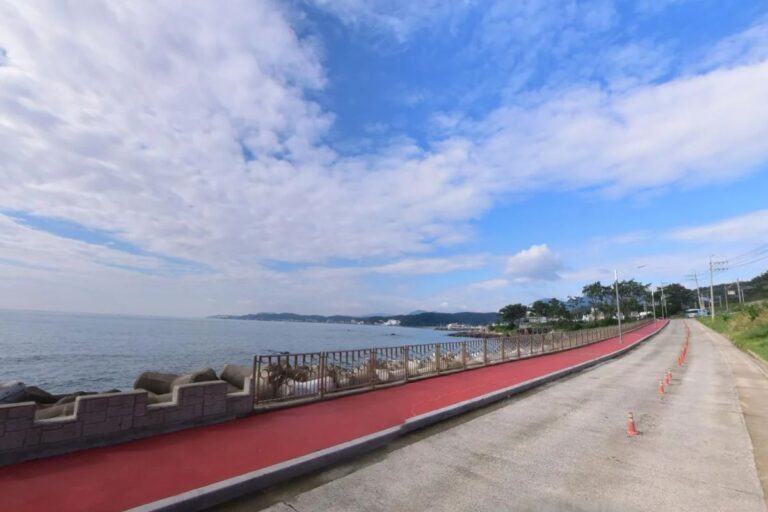
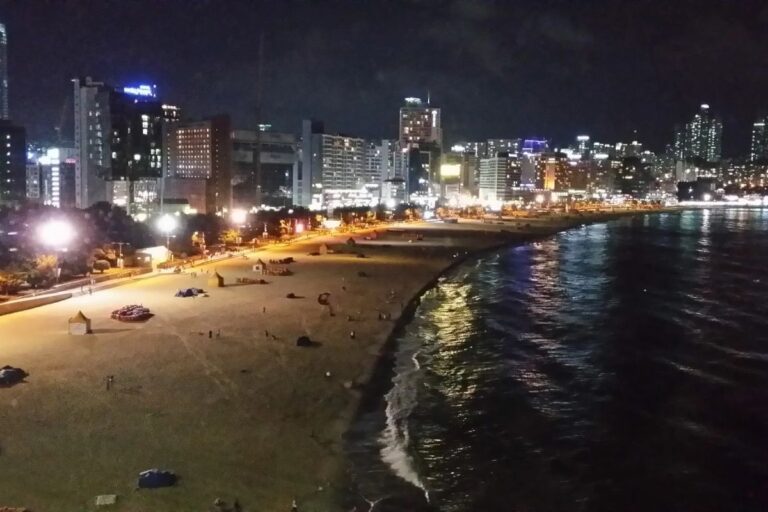
Busan is Korea’s largest port city. More seafood passes through this city than anywhere else in the country. Every morning, fishing boats return to the harbor, and the day’s catch moves directly onto restaurant tables.
Jagalchi Market and Busan’s Seafood Culture
At the center of Busan’s seafood world is Jagalchi Market (자갈치시장) — Korea’s largest seafood market. According to official tourism sources, the market operates on two floors: visitors select live seafood on the ground floor and have it cooked immediately at the restaurants upstairs.
But Jagalchi is where tourists go. The places Busan locals actually frequent are different — and Maparam is one of them. Built entirely on word-of-mouth over 20 years, it is as local as a Busan seafood restaurant gets.
Why Maparam Stands Apart: Two Principles, 20 Years
Living in Korea, I’ve noticed that restaurants which survive two decades always share the same traits: uncompromising ingredients and an unwillingness to change what works. Maparam is exactly that.
Why They Use Same-Day Fresh Seafood Only
Saengmul (생물, 生物) means live or same-day caught seafood — a completely different category from frozen seafood in terms of texture, aroma, and flavor.
From the day Maparam opened, the founder set one rule: “We will not make food that uses a small amount of seafood just to look good.” Because they use only same-day catch, the consistent customer verdict for 20 years has been: “it smells like the sea is right there.”
The Signature Sauce: Bold but Clean
The common failure of many seafood jjim restaurants is an overpowering sauce that masks the seafood rather than enhancing it. Maparam’s aged signature sauce takes a different approach. It isn’t aggressive — it’s clean. The finish is refreshing, not heavy, and what stays on the palate is the natural umami of the seafood.
Amplifying the seafood’s own flavor while eliminating the fishy odor — that balance is the 20-year-old secret.
Menu & Pricing Guide
Haemul Jjim & Haemul Tang
| Menu | Small (2–3 people) | Medium (3–4 people) | Large (4–5 people) |
|---|---|---|---|
| Haemul Jjim (Seafood stew) | ₩60,000 | ₩75,000 | ₩90,000 |
| Haemul Tang (Seafood soup) | ₩65,000 | ₩80,000 | ₩95,000 |
| Abalone add-on | +₩10,000 | +₩10,000 | +₩10,000 |
Single-Dish Options
| Menu | Small | Medium | Large |
|---|---|---|---|
| Fresh Monkfish Jjim (생 아구찜) | ₩50,000 | ₩60,000 | ₩70,000 |
| Cod Head Jjim (대구뽈찜) | ₩45,000 | ₩55,000 | ₩65,000 |
Add-ons (Sari)
| Item | Price |
|---|---|
| Potato noodles / Udon noodles / Fried rice | ₩2,000 each |
| Steamed rice (individual) | ₩1,500 |
Per-person cost: Splitting the small haemul jjim (₩60,000) among three people comes to roughly ₩20,000 per person — about $14 USD. For same-day fresh seafood at this quality level, that’s exceptional value by any standard.
Note: Haemul jjim and tang are intended for groups of two or more. Solo visitors are better served by the monkfish jjim or cod head jjim single-dish options.
Takeaway discount: Orders placed for takeout receive a ₩3,000 discount automatically — useful if you’d rather enjoy it back at your accommodation.
Add-ons and Fried Rice: The Meal’s Final Chapter
When the remaining sauce in the pot is mixed with rice and stir-fried, every bit of umami the seafood left behind goes into that final dish. The fried rice at the end of a Maparam meal is not an afterthought — it is the conclusion.
Potato noodles soak up the jjim sauce and become dense and savory. Udon noodles drop into the tang broth for a rich, warming noodle course. Both are worth ordering, but the fried rice is non-negotiable on a first visit.
What the Meal Actually Feels Like
When the dish arrives, the piled-up spread of shrimp, cuttlefish, mussels, octopus, and bean sprouts is coated in a deep red sauce that already smells complex and layered.
Start with the cuttlefish (갑오징어). Thicker and chewier than regular squid, the texture is the most distinctive element of the dish. Move to the shrimp — peel by hand, which is entirely normal and expected in Korean seafood dining.
The bangaip option (방아잎, Korean wild sesame leaf) is worth adding if it’s your first visit. This herb, traditionally used in southern Korean cooking, cuts through the spiced sauce and leaves the palate noticeably cleaner between bites. It isn’t strong — most people are surprised by how much they like it.
When the seafood is roughly 70% finished, that’s the moment to order the fried rice. If you wait too long and the sauce is gone, the fried rice loses most of its reason for being. Staff will cook it tableside directly in the remaining sauce.
Three Locations & Essential Info
Guseo Main Branch (Recommended for first visit)
| Address | 418 Geumgang-ro, Geumjeong-gu, Busan (2nd floor) |
| Hours | 11:00 – 22:30 |
| Break Time | 15:00 – 16:30 |
| Closed | 2nd & 4th Monday, day before & day of major holidays |
| Map | Search “마파람해물찜 구서본점” on Naver Maps or Kakao Maps |
City Hall Branch
| Address | 64 Geojecheon-ro, Yeonje-gu, Busan |
| Hours | 11:00 – 23:30 |
| Closed | 2nd Monday of each month |
Beomil-dong Branch
| Address | 9 Beomil-ro 90beon-gil, Dong-gu, Busan (1st floor) |
| Map | Search “마파람해물찜 범일동점” on Naver Maps or Kakao Maps |
All locations offer: Private rooms & group seating / On-site parking / Free Wi-Fi
Which branch? If you’re staying near Haeundae or Gwangalli, the Beomil-dong branch is most convenient. Near Yeonje-gu or Suyeong, go with City Hall. Coming from Dongnae or Oncheonjang, the Guseo Main Branch is the natural choice.
Connecting It to a Busan Itinerary
Maparam sits in a residential and commercial neighborhood, away from the main tourist zones. That’s precisely what makes it trustworthy as a local restaurant.
Recommended day flow: Jagalchi Market in the morning → Gwangalli Beach in the afternoon → Maparam for dinner
This sequence gives you Busan’s seafood culture from market to table, from tourist landmark to genuine local restaurant, all in one day.
Practical Tips for the Table
① Eating seafood with your hands is expected Shrimp and crab are peeled by hand in Korean seafood restaurants. Wet towels are provided. No one will look twice.
② Use scissors to cut larger pieces Octopus and cuttlefish are easier to eat once cut into smaller sections. Table scissors are always available, and staff can assist if needed.
③ Order the fried rice while sauce remains in the pot The critical window is when the seafood is about 70% finished. Too late and the sauce is gone — too early and you lose eating momentum. Time it right and the fried rice is the best part of the meal.
④ Groups of four or more: reserve a private room Maparam has private rooms for groups. A quick phone call ahead, especially on weekends, avoids a wait and guarantees a more comfortable experience.
⑤ Add the bangaip herb option The Korean wild sesame leaf (방아잎) is a mild, fragrant herb from southern Korean cooking. It tones down the heat, cuts the richness, and makes the overall meal feel considerably cleaner. It’s not strong — most first-timers wish they’d heard about it sooner.
Who Should Visit
● Travelers who want to eat where Busan locals actually go — not where tourists are directed
● Anyone who has avoided seafood dishes because of the smell — Maparam’s jjim has none
● Groups of 3 to 5 traveling together in Busan who want a standout dinner
● Visitors finishing a day at Jagalchi Market, Gwangalli, or Haeundae and looking for the right way to close the evening
● Anyone curious about Korean hwesik culture — the tradition of group dining that sits at the center of Korean social life
One Final Thought
Living in Korea, one thing stays consistent: a restaurant that survives 20 years always has a reason.
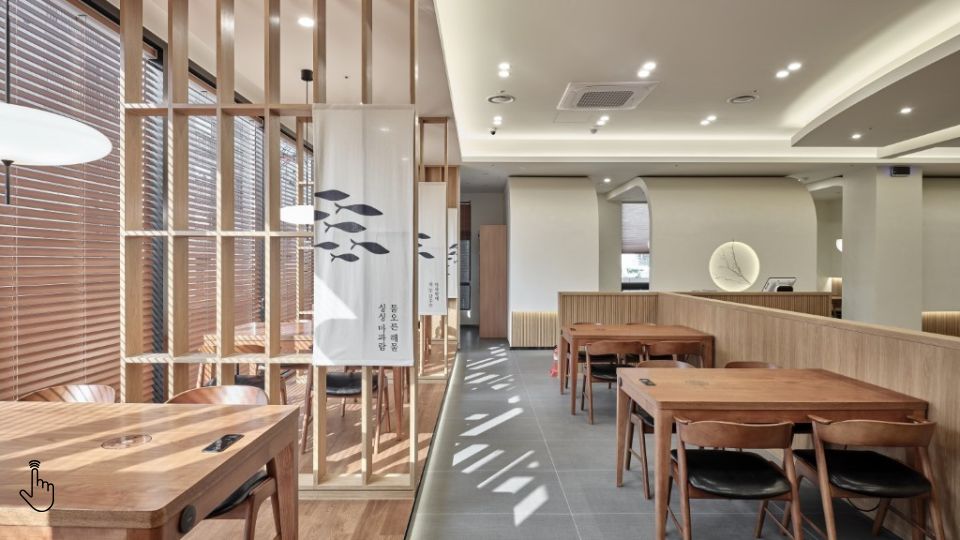
Maparam has no elaborate interior design, no high-budget marketing. What it has is same-day seafood, a signature sauce that hasn’t changed in two decades, and a cooking method that keeps every piece firm until the last.
The sea off Busan’s coast caught something that morning. By evening, it’s on your table, firm and clean and full of flavor.
When you’re building your Busan itinerary, leave one evening open. Check which branch suits your location, avoid the break time (15:00–16:30), and don’t leave without the fried rice. By the time the pot is empty, you’ll understand exactly why the line outside is always there.
Budget-Friendly Eats in Korea — the series continues. More honest local recommendations coming soon.
● Gyeongju Makguksu Restaurant: Known for its buckwheat noodles with rich.