Here’s the bottom line: Gyeongbokgung is bigger and more iconic, but Changdeokgung is the palace UNESCO actually recognized as a World Heritage Site — and once you understand why, it becomes hard to visit Seoul without seeing it. This guide covers what makes Changdeokgung genuinely different from the other four palaces, plus exactly how to book the one part most visitors miss: the Secret Garden.
What Changdeokgung Is
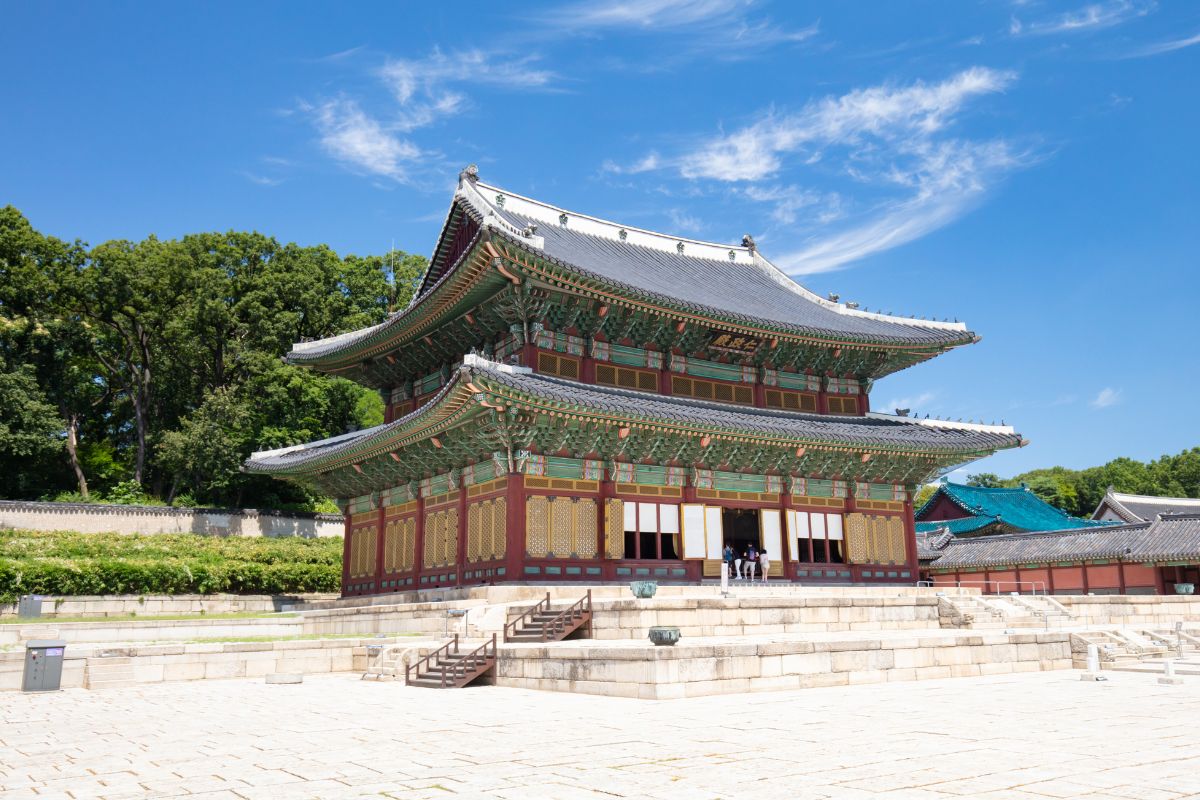
Changdeokgung was the first palace rebuilt after the Imjin War burned down all of Hanyang’s royal palaces in 1592 — reconstruction was completed in 1610. It then served as Joseon’s de facto main palace for roughly 270 years, right up until Gyeongbokgung was rebuilt under King Gojong. In other words, if Gyeongbokgung was the “official” palace, Changdeokgung was where Joseon’s kings actually lived the longest.
Unlike Gyeongbokgung’s symmetrical layout, Changdeokgung was built to follow the natural terrain rather than impose artificial order — a design philosophy so distinctive that it became the only one of Seoul’s five palaces designated a UNESCO World Heritage Site, in 1997.
Why the Secret Garden Is the Real Highlight
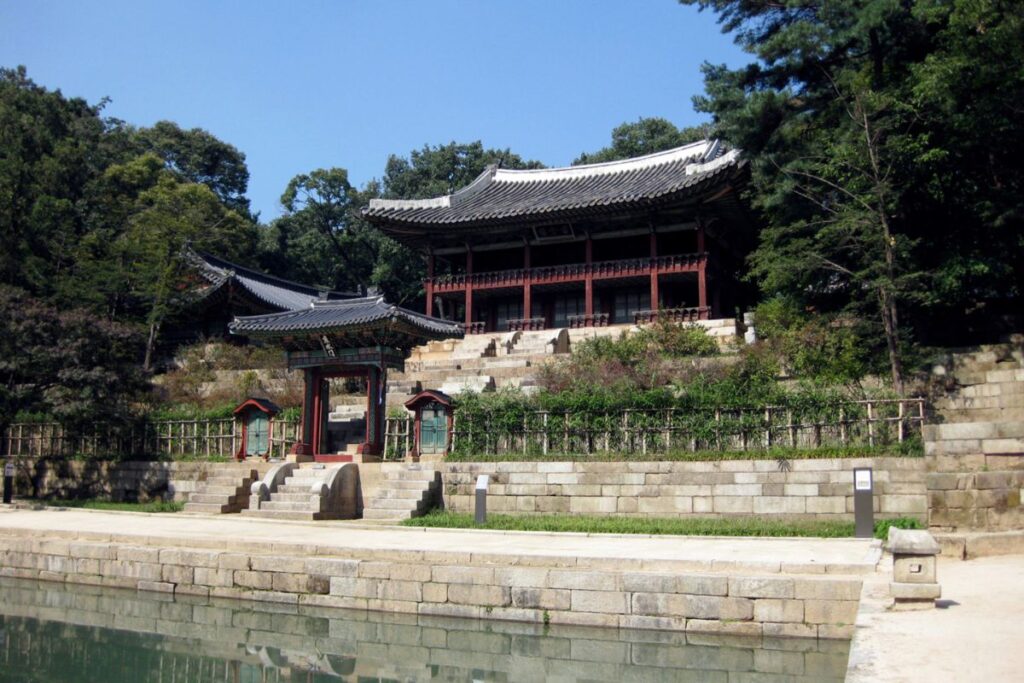
Changdeokgung is split into two parts: the main halls, which you can walk through freely, and Huwon (the Secret Garden), a restricted area you can only enter as part of a guided tour. Many visitors see the main halls and assume they’ve “done” Changdeokgung, but the Secret Garden — with trees over 300 years old, ponds, and pavilions woven into the natural landscape — is actually the reason this palace earned its UNESCO status.
Why Booking Is So Hard
Huwon reservations open on the official Cultural Heritage Administration (Royal Palaces and Tombs Center) website exactly six days before your visit date, at 10 AM Korean time. Don’t let your guard down here — English-language tour slots sell out at lightning speed. If you miss the English slot, grab a Korean-language one instead. The language of the tour doesn’t take away from the beauty of the ponds and pavilions at all.
What People Who Actually Get Tickets Have in Common
- They set an alarm in advance — logged in and refreshing the site at exactly 10 AM, six days before their target date.
- They pick the right language slot — foreign-language sessions are off-limits to Korean visitors, except when accompanying a foreign guest (up to two Korean companions allowed per foreign visitor). Make sure you’re selecting the slot for your own language group.
- They complete payment before the deadline — reserving a slot isn’t enough; you have to finish payment within the window, or the booking gets automatically cancelled.
- They check heatwave notices in summer — during heat advisories, tours run on a shortened schedule or get adjusted, so double-check the notice board if you’re visiting in peak summer.
Insider Tip: Changdeokgung vs. Gyeongbokgung
In our earlier Gyeongbokgung guide, we recommended it as the best first-palace stop for its scale and symbolism. Changdeokgung has a different personality entirely. If Gyeongbokgung is about grandeur, Changdeokgung is about quiet and nature. It’s less about wide courtyards for photos and more about the walk itself, weaving between centuries-old trees. If your schedule allows, spend one day at each — the contrast in atmosphere is worth it.
What Not to Miss
- Buyongji Pond & Buyongjeong Pavilion — a pavilion that appears to float on the water, the most photogenic spot in the entire garden
- Ongnyucheon Valley — the deepest section of the garden, where a stream flows through the rocks; this is where kings once composed poetry and reflected in solitude
- Autumn foliage — the garden’s true peak is said to arrive in late autumn, just as the leaves begin to fall
Huwon Through the Four Seasons
The Secret Garden looks completely different depending on the season. You won’t be disappointed whenever you go, but reservation competition varies dramatically by season, so it helps to plan your strategy accordingly.
Spring (March–May): Fresh Greenery and Blossoms
Bare winter trees turn a fresh shade of green, and flowers start appearing around Buyongji Pond. It’s a photogenic season, so weekend slots get fairly competitive. Aiming for a weekday morning slot is your best bet for improving your odds.
Summer (June–August): Deep Green, But More Variables
This is when the trees are fullest and the pond areas offer the most shade for a comfortable walk. That said, as mentioned above, heat advisories can trigger shortened tours or schedule changes. If you’re planning a midsummer visit, check the notice board once more before booking.
Autumn (September–November): The Most Competitive Season
This is Huwon’s true high season. As the 300-year-old trees turn to autumn color in late fall, even the Korean-language slots often sell out alongside the English ones. If you’re set on an autumn visit, a practical strategy is to try booking across a few different target dates, giving yourself flexibility around whichever day the reservation window actually works out.
Winter (December–February): The Quietest Time to Visit
Visitor numbers drop significantly, which means your odds of actually landing a reservation are the highest of any season. A snow-covered garden isn’t as vivid as autumn’s colors, but if what you want is genuine quiet and solitude, winter might be the most satisfying choice of all.
Bottom line: If photos are your priority, go in autumn. If getting a reservation at all is your priority, aim for winter or an early-spring weekday.
Pre-Visit Checklist
- Be ready to log into the Royal Palaces and Tombs Center website at exactly 10 AM, six days before your visit date
- Confirm in advance which language slot (English/Korean) you actually need
- Complete payment within the deadline after reserving
- Remember Changdeokgung is closed every Monday — check it doesn’t conflict with your visit
- Check heat advisory notices if visiting in midsummer
- Remember the Huwon ticket is purchased separately from the main hall ticket
- If visiting in autumn, plan to try booking across multiple dates
Booking Huwon looks complicated at first, but it’s genuinely not hard once you’ve got one alarm set. Next up, we’ll walk through Deoksugung’s stone wall path with a local’s route. If you’ve been to Changdeokgung yourself, feel free to drop your own tips in the comments.