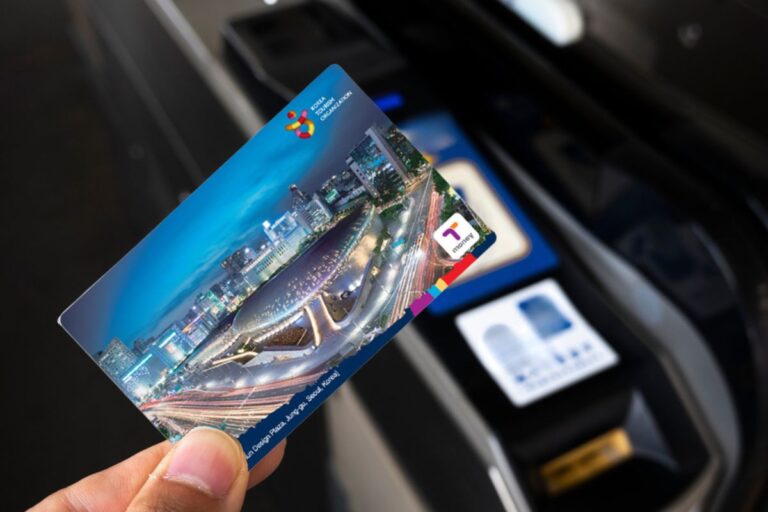

Have you ever walked out of a Seoul subway gate without tapping your card?
Starting in 2026, that one slip comes back as extra money on your next ride.
Here’s the short version. The key Seoul subway rules that changed this year come down to two things. First, if you don’t tap your card when you exit, the base fare is automatically added to your next ride. Second, the government dropped its “stand on both sides” escalator campaign and switched to simple safety rules.
I’ve also covered the transfer discount rules that confuse so many visitors. Everything here is based on Seoul city information, government announcements, and major news reports.
The 30-Second Summary
- Tap your card when you exit, too. If you don’t, the base fare (₩1,550 for adults) is added to your next ride.
- Transfers must happen within 30 minutes (60 minutes from 9 p.m. to 7 a.m.).
- You can get the transfer discount up to 4 times (5 rides in total).
- On escalators, hold the handrail, don’t walk, and stay behind the safety line.
- Season passes, single-journey tickets, and discount passes are excluded from the tap-out penalty.
What Changed #1: Forget to Tap Out and You Pay More
What Is the Rule?
Since the first train on March 7, 2026, the Seoul metropolitan area has had a tap-out penalty for urban rail.
According to Korean news reports, if you exit without tapping your card, the system records it, and the base fare is automatically added to your next ride.
The extra charge equals the base fare for your ticket type.
| Rider type | Extra charge |
|---|---|
| Adult | ₩1,550 |
| Teen | ₩900 |
| Child | ₩550 |
It covers Seoul Metro lines 1–8 and Line 9, and also the whole metropolitan urban rail network, including lines run by other operators such as Korail.

Why Does This Rule Exist?
Subway fares depend on distance. In Seoul, the base fare covers up to 10 km, and ₩100 is added for every extra 5 km.
If you don’t tap out, the system doesn’t know where you got off. Some riders took advantage of that to pay only the base fare for long trips, and this rule is meant to stop it.
Who Does It Apply To?
It applies to riders who use prepaid or postpaid transit cards. A T-money card is the most common example.
These are excluded:
- Season passes
- Single-journey tickets
- Discount passes
Is It Still in Effect?
Yes. At first, the authorities treated the end of March as an intensive promotion period and ran campaigns at major transfer stations. That period is over, so assume the rule applies to you while you travel.
How to Avoid It
It’s simple. Tap once when you enter and once when you exit.
- Tap your card at the gate when you go in.
- After you get off, tap your card at the exit gate too.
- When you transfer, tap out first, then board the next bus or train.
It’s easiest to forget when you’re carrying luggage or walking with a group. Get in the habit of holding your card in your hand as you approach the gate.
What If You Missed It?
You may be charged extra on your next ride. If it feels unfair, you can ask the Seoul 120 Dasan Call Center (02-120).
The correction process can vary by situation, so I won’t claim a specific procedure here. Not missing the tap is the surest fix.
Note: Some English-language outlets reported a March 1 start date. Korean reports say the first train on March 7. This article follows the Korean reports.
Transfer Discounts: What You Need to Know
The 30-Minute Rule
According to Seoul’s transfer discount guide, you get the discount if you board another service within 30 minutes of getting off. From 9 p.m. to 7 a.m., the window extends to 60 minutes.
It works from subway to bus and bus to subway. It also connects with Incheon and Gyeonggi buses, GTX-A, and the Han River Bus.
Up to 4 Transfers
With a single card, you can get the discount for up to 4 transfers (5 rides in total). If you spend the whole day getting around Seoul, keep this limit in mind.
When Transfers Don’t Work
- Transfers between the same route or the same vehicle don’t get a discount.
- If you skip the exit tap, the transfer chain breaks and the base fare is charged again.
That’s one more reason tapping out matters. Miss it, and you can get the penalty and lose the transfer discount.
A Day Out as an Example
9:00 a.m. You enter a station near your hotel and tap in. 9:30 a.m. You arrive and tap at the exit gate.
9:45 a.m. You board a bus outside the station. It’s only been 15 minutes, so the transfer discount applies. 12:00 p.m. After lunch, you take the subway again. Well over 30 minutes have passed since your last exit, so this is a new ride, not a transfer.
The rule boils down to this: tap out, transfer within 30 minutes, and avoid staying on the same route.
What Changed #2: The “Stand on Both Sides” Campaign Is Gone
What Happened?
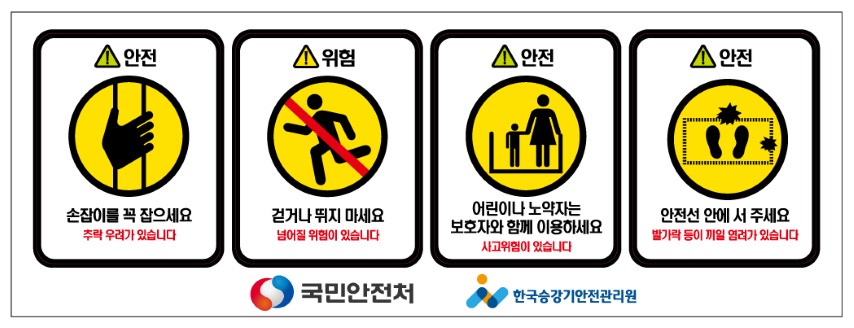
On September 23, 2026, the Ministry of the Interior and Safety announced it would no longer run the “stand on both sides” escalator campaign.
Instead, it will promote voluntary safety habits built around three core rules:
- Hold the handrail
- Don’t walk or run
- Stay behind the safety line
News reports say this followed a public discussion with citizens and experts.
Why the Change?
Reports gave several reasons.
- In practice, about as many people stand on one side as on both sides.
- Walking or running on escalators puts extra impact on the steps and can strain the equipment.
- Many accidents happen not from the standing arrangement itself, but when people lose balance while making way for others.
What Should Visitors Do?
You may have heard, “Keep one side open.” You can now replace that with the three safety rules above.
- Hold the handrail when you step on.
- Stand still and don’t walk or run.
- When you step off, keep moving forward instead of stopping at the safety line.
Old habits may linger, and you might sense someone behind you wants to pass. But the official guidance is to stand safely, not to walk.
Why Does the Fare Sometimes Come Out Different?
You may have noticed different fares for rides within Seoul. That’s because of distance-based fares.
- Up to 10 km is the base fare (₩1,550 for adults, per March 2026 reports).
- Beyond 10 km, ₩100 is added for every 5 km.
So longer trips cost a bit more. You need to tap at the exit gate for the system to calculate your distance correctly.
Fares can rise, so check the latest amount on Seoul Metro or Seoul city’s official pages.
How Do You Learn the Lines?
You don’t need to memorize the whole network. Saving the official subway map from Seoul city or Seoul Metro on your phone is enough.
This guide focuses on where visitors tend to lose money rather than repeating line descriptions. I’ll cover lines and transfer stations in a later post in this series.

5 Common Mistakes Visitors Make
Most first-timers trip up in the same places. Knowing the Seoul subway rules ahead of time helps you avoid nearly all of them.
1) Forgetting to tap out The most common and most expensive mistake. The base fare gets added to your next ride.
2) Missing the transfer window After 30 minutes, it’s a new ride, not a transfer. Be careful if you stop for shopping or a meal in between.
3) Expecting a discount on the same route Transfers between the same route or vehicle aren’t discounted.
4) Transferring too many times The discount applies up to 4 transfers.
5) Following old escalator habits The official standard now is to hold the handrail and not walk.
Think About Your Card Too
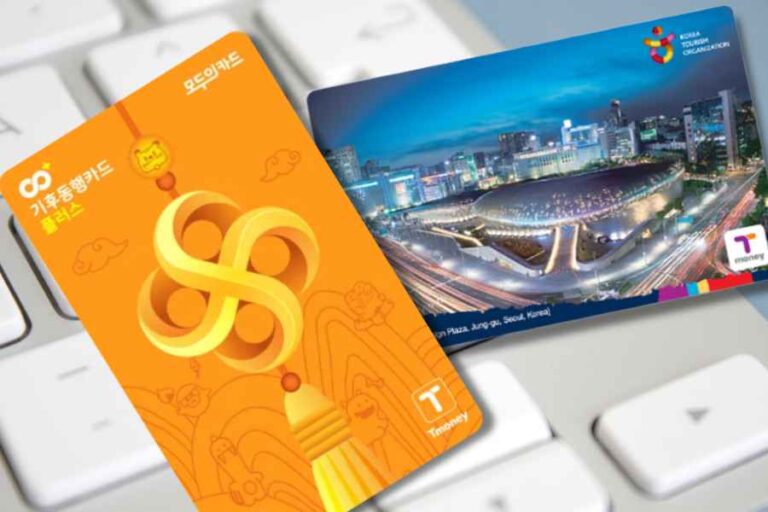
Most of these rules apply when you use a transit card. So it helps to know how to buy, top up, and refund a T-money card.
I’ve covered how to get your leftover balance back before you leave in a separate post:
A comparison with other cards, like the Climate Card, is coming in the next post.
Frequently Asked Questions
Here are the questions I hear most often.
Q. Does the tap-out penalty apply to visitors? According to reports, it applies to riders using prepaid or postpaid transit cards, so it’s safest to assume visitors are not exempt.
Q. Do I still need to tap with a season pass or single-journey ticket? Those are excluded from the penalty. Still, it’s easier to make tapping a habit.
Q. What if I see someone walking on the escalator? The government’s guidance is not to walk or run, but it doesn’t ask you to confront anyone. Just follow the safety rules yourself.
Q. How many transfers can I get per day? It’s not a daily limit. It’s up to 4 transfers in a connected chain, each within 30 minutes. If the chain breaks, the count starts over.
Seoul Subway Rules Checklist
- I checked that my card balance is enough.
- I’m ready to tap both when I enter and when I exit.
- I’ve thought about whether I can transfer within 30 minutes.
- I remember there’s no transfer discount on the same route.
- On escalators, I’ll hold the handrail and not walk.
- I’ll check routes with an official app or the official subway map.
Final Thoughts: One Small Habit Protects Your Fare
Once you get used to it, the Seoul subway is wonderfully easy. The rules just shifted a bit in 2026.
Tap once when you exit. Remember that, and you’ll avoid most unnecessary charges. If you keep just this summary of the Seoul subway rules in mind, you’ll cover nearly everything that changed this year.
If this helped, share it with a friend planning a Seoul trip. Plenty of people don’t know the rules changed.
Next time, I’ll compare the Climate Card and T-money. Knowing which card fits your plans can save you money from day one.