Seoul’s subway is one of the cleanest and most efficient systems in the world. But even a well-designed system has rules that feel unfamiliar the first time you use it. Every guide tells you “how to ride” — very few tell you where you’re actually going to trip up. This post covers 10 mistakes first-time visitors commonly make on the Seoul subway. Know these ahead of time, and your first day getting around will go a lot more smoothly.
1. Throwing Away Your Deposit With a Single-Journey Ticket
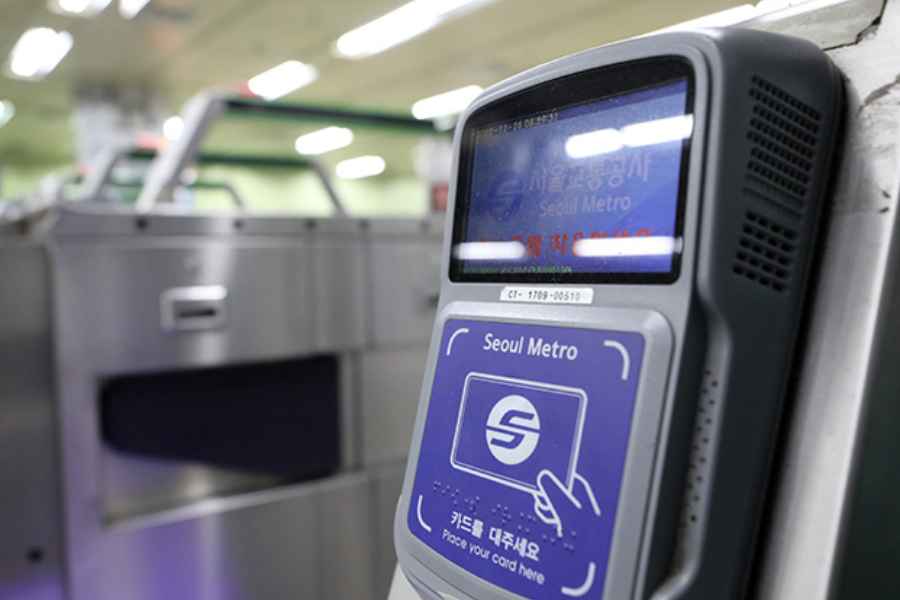
If you’re only planning to ride a couple of times, it’s tempting to just buy a single-journey ticket instead of a reloadable card. What a lot of visitors don’t realize is that this ticket includes a ₩500 deposit — and if you don’t know to reclaim it, you just leave it behind.
After you exit the gate at your destination, insert the card into the “deposit refund machine” located inside the station, and you’ll get your ₩500 back on the spot. It doesn’t sound like much per ride, but it adds up if you’re using single tickets more than once. Worth remembering: if you buy a T-money card and load it up instead, you skip this whole step entirely.

2. Paying Twice Because You Missed the 30-Minute Transfer Rule
Transfers between subway lines, or between subway and bus, are free or discounted if you transfer within 30 minutes. Miss this window — or worse, exit the gates completely before re-entering — and you’ll be charged as a brand-new fare with no transfer discount.
The key is to stay inside the gates and use the transfer corridor rather than exiting. Most transfer stations are designed so you never have to leave the paid area to switch lines — just follow the “transfer” arrows on the signage.
3. Not Realizing Directions Are Labeled by Terminal Station, Not Compass Direction
Korean subway signage doesn’t use north/south/east/west. Instead, it labels trains by the name of the terminal station in that direction. On Line 2, for example, you won’t see “eastbound” — you’ll see something like “toward Seongsu” or “toward Sindorim.”
If you’re not used to this system, it’s easy to accidentally board a train going the wrong way. Before stepping onto the platform, check the terminal station name on the sign, and double-check your direction against a map app if you’re not sure.
4. Not Knowing Which Transfer Stations Are Unusually Complicated
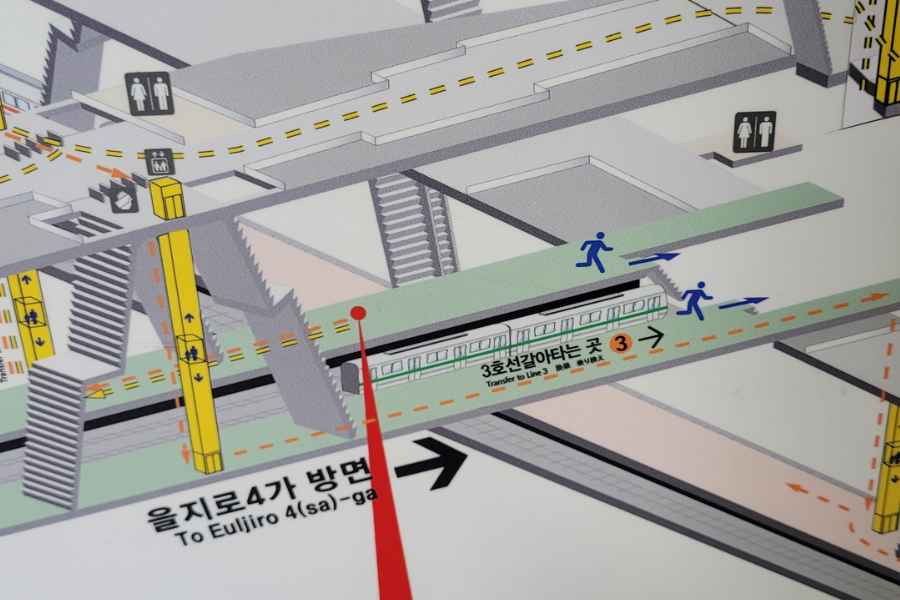
Some Seoul subway transfer stations have long, complicated corridors connecting lines. Sadang, Jongno 3-ga, Gyodae, and Sindorim stations in particular can involve several minutes of walking, multiple staircases, and escalators just to switch trains.
If your route runs through one of these stations, build in a few extra minutes for the transfer. This matters even more if you’re carrying a suitcase or heavy luggage — it will take longer than you’d expect.
5. Trusting Google Maps to Find Your Way
Due to mapping data regulations in Korea, Google Maps’ public transit directions don’t work reliably here. Walking directions are mostly fine, but subway and bus route guidance is often inaccurate or missing entirely.
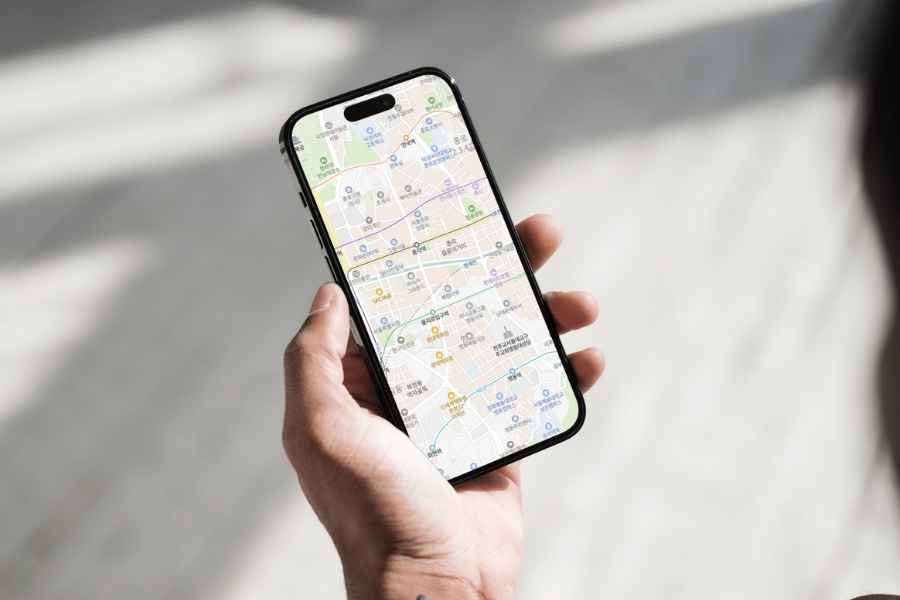
Use Kakao Map or Naver Map instead. Both support an English interface and give accurate real-time train arrival info and transfer routing. It’s worth installing one of these apps before you arrive in Korea.
6. Assuming Last Train Times Are the Same Everywhere
Seoul’s subway generally runs from around 5:30 AM to just before midnight, but the exact last-train time varies by line, by direction, and even by day of the week. If you have late-night plans or are staying out later than expected, missing the last train can mean an unplanned taxi bill.
Check the exact last-train time for your specific line in Kakao Map or Naver Map in real time — it’s a good habit to search this in advance if you’re heading out late.
7. Sitting in the Priority Seats Without Realizing It
At each end of a subway car, there are priority seats reserved for the elderly, pregnant passengers, and people with disabilities. It’s common for visitors to sit in an empty one without thinking twice — and then get the quiet but unmistakable disapproving look Koreans are known for.
Avoid these seats even when they’re empty, as a general rule. Seats marked with a different color, or with a pregnancy-priority sticker, should be avoided without exception.
8. Missing Your Stop Because There’s No English Announcement
Recently renovated stations and major transfer hubs usually announce stops in Korean, English, Chinese, and Japanese, but some sections of older lines still only announce in Korean.
Don’t rely on the announcement alone — get in the habit of checking the next-station name displayed on the in-car screen as well. Keeping your live location tracked in Kakao Map or Naver Map is another reliable way to avoid missing your stop.
9. Not Knowing Some Transfers Require Exiting to Street Level
Most transfer stations let you switch lines without ever leaving the paid area, but a handful of stations require you to exit the gates and re-enter due to the physical distance between lines. These stations usually have signage explaining that you’ll need to tap out and tap back in for the transfer.
It can be confusing the first time — “wait, why do I need to exit here?” — but if you follow the transfer signage all the way through, you’ll get where you’re going without trouble. And importantly, the transfer discount still applies as long as you’re within the 30-minute window.
10. Struggling With Luggage on the Stairs
Every station has elevators and escalators, but they’re not always located near the entrance you happen to use. It’s a common frustration to head straight for the nearest staircase with heavy luggage, only to discover later that the elevator was at the opposite exit.
If you’re traveling with a suitcase or heavy bags, check the elevator location in Naver Map or Kakao Map before you go down into the station. It might take a little longer, but it beats wrestling a suitcase down a flight of stairs.
Useful Tip (10-Minute Re-entry Rule):
Even if you aren’t transferring between lines, if you exit the ticket gate to the above-ground concourse—perhaps because you crossed to the wrong platform or needed to use the restroom—and re-enter the same station within 10 minutes, the basic fare will not be charged again; instead, it is processed as a transfer.
Checklist: Your First Ride on the Seoul Subway
- Refund your ₩500 deposit at the deposit refund machine after using a single-journey ticket
- Stay inside the gates when transferring, and do it within 30 minutes
- Check terminal station names, not compass directions, before boarding
- Build in extra time at complicated transfer stations like Sadang, Jongno 3-ga, Gyodae, and Sindorim
- Use Kakao Map or Naver Map for transit directions instead of Google Maps
- Check last-train times in advance if you’re heading out late — they vary by line and direction
- Avoid priority seats even when they’re empty
- Watch the in-car screen for station names, not just the announcement
- Look up elevator locations in advance if you’re traveling with luggage