
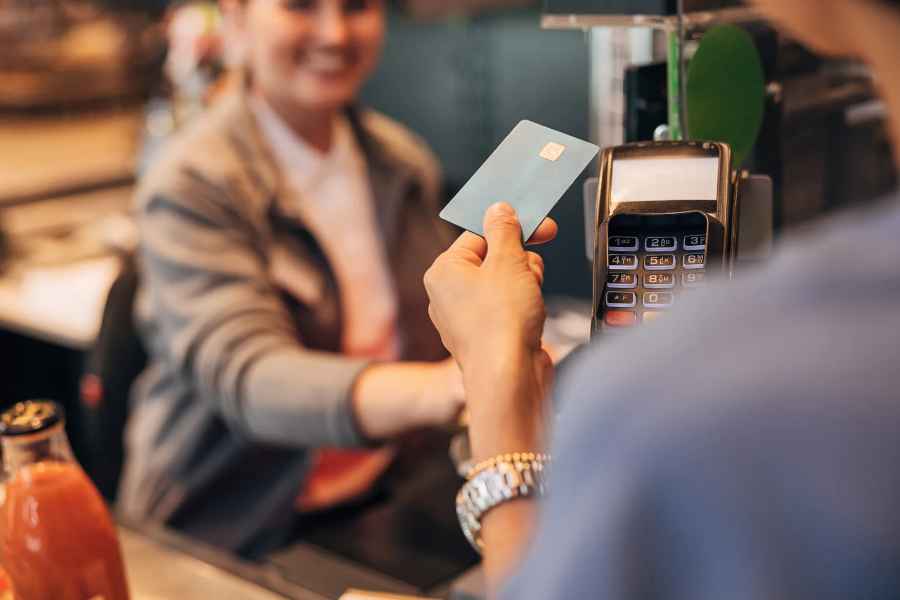
Almost every payment method you’d expect works at Olive Young — foreign cards, Samsung Pay, Alipay and WeChat Pay, even cash. The one exception is mobile payments like Apple Pay, which work at some registers and not others, so it’s worth knowing the difference before you’re standing at checkout with a basket full of skincare.
It’s a common scene in Myeongdong or Hongdae: someone taps their phone at the register and nothing happens. That’s usually not a problem with the card — it comes down to the type of payment terminal the store is using. Once you understand that distinction, you won’t get caught off guard at checkout.
One thing that makes paying in Korea simpler than you might expect: there’s no tipping culture at all. The number on the receipt is exactly what you pay — no server adding a suggested tip, no awkward math at the register.
Paying with a Foreign Credit or Debit Card
Olive Young accepts most international Visa and Mastercard cards without issue. Insert your chip card (IC chip), or if your card has the contactless symbol on the back, a simple tap does the job.
One tip worth knowing: sometimes the cashier or terminal will ask whether you want to pay in Korean won or your home currency. That’s Dynamic Currency Conversion (DCC) — and it always works against you. Paying in your home currency locks in a worse exchange rate, effectively charging you a few percent more. Always choose to pay in KRW (Korean won), no exceptions.
Here’s why it matters: DCC fees typically run 3–7% on top of the transaction. On a single 50,000 won purchase, that difference might feel small, but multiply it across every card swipe during your trip and it adds up fast. Whenever the terminal shows a choice between KRW and your home currency, pick KRW every time.
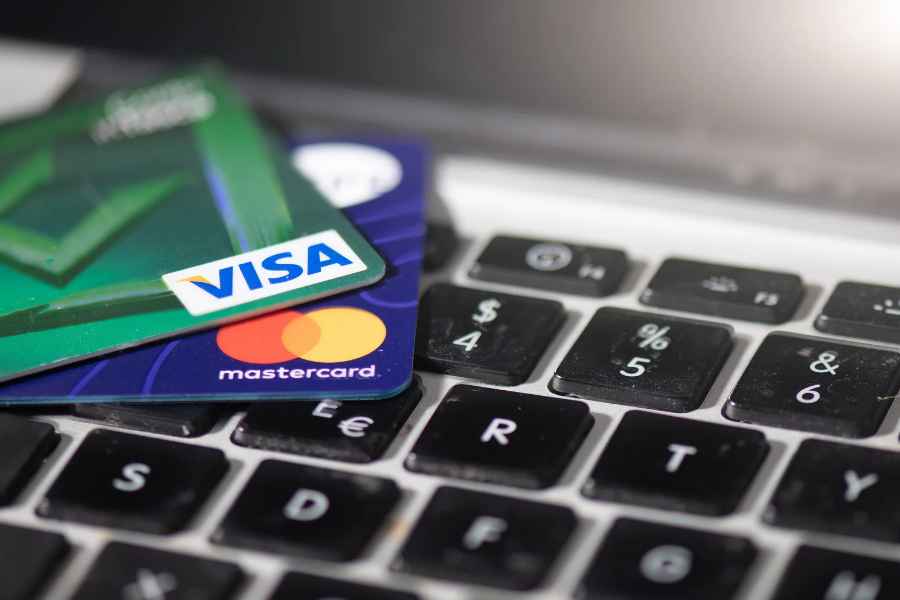
Samsung Pay vs. Apple Pay: Why the Results Differ
Both are mobile payments, but they behave very differently in Korea — and the reason comes down to the terminal technology, not the phone.
Samsung Pay supports both NFC (near-field communication) and MST (Magnetic Secure Transmission). MST mimics a card swipe, which means it works on older magnetic-stripe terminals too — so Samsung Pay works at nearly any register in Korea.
Apple Pay only supports NFC. The catch is that only about 10% of retail terminals in Korea are NFC-enabled, compared to over 90% in places like the UK or Singapore. The good news is that large chains — Olive Young, convenience stores like CU, GS25, and 7-Eleven, and Starbucks — tend to have NFC terminals, so Apple Pay usually works there. Still, individual branches can vary, so keep a physical card ready as a backup.
Google Pay isn’t officially available in Korea as of 2026. If you’re on Android, plan to rely mainly on a physical card or cash.
How to Spot an NFC Terminal at the Register
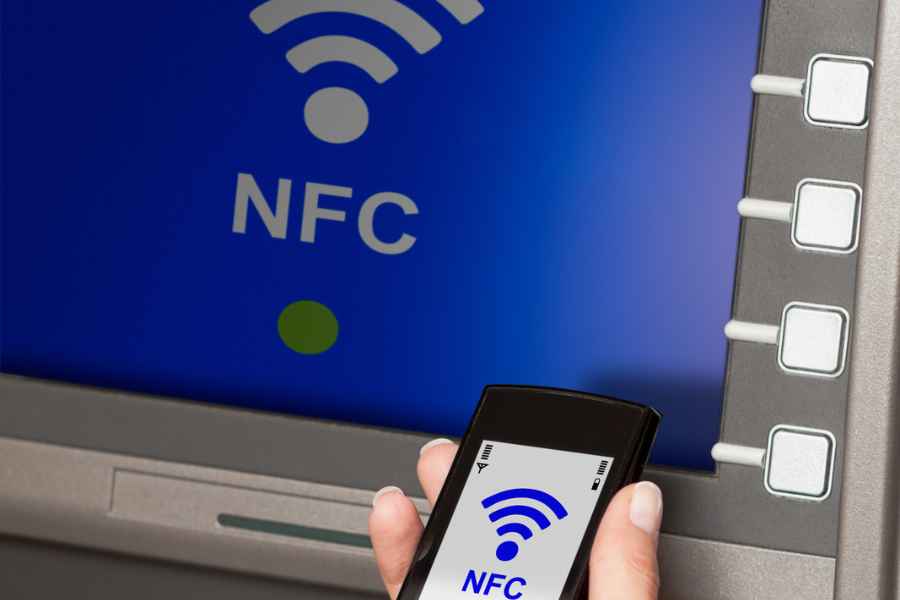
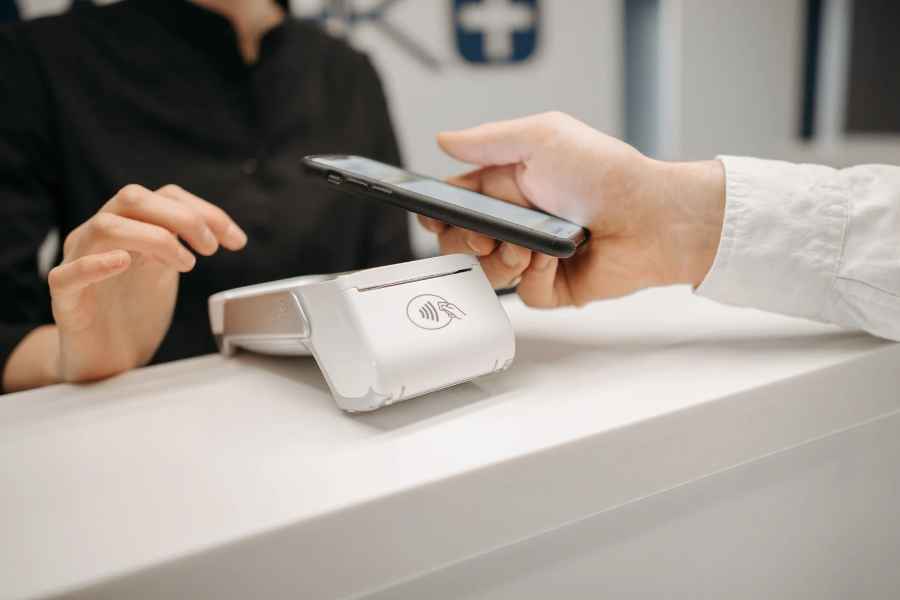
Look for a sideways wave-shaped icon (it looks like a Wi-Fi symbol turned on its side) on the payment terminal. If it’s there, the terminal supports NFC — meaning Apple Pay or a contactless card will work with a single tap. If you don’t see it, ask the cashier “Does this accept tap to pay?” or simply switch to inserting your physical chip card.
What to Do If Your Payment Doesn’t Go Through
Don’t panic if a mobile payment fails — walk through these steps and you’ll usually be sorted in seconds.
- Switch to your physical card and insert the chip. Terminals that reject mobile payments often still accept the card itself.
- If the card is declined too, try a different card network — if Visa doesn’t work, try Mastercard.
- If nothing else works, pay with cash. It’s the most reliable fallback.
- If Amex is your only card, be aware that acceptance is more limited — bring a Visa or Mastercard as backup from the start.
Alipay, WeChat Pay, and UnionPay (For Chinese Tourists)
Olive Young has been expanding support for Alipay, WeChat Pay, and UnionPay to attract Chinese visitors, and most branches in major tourist areas — Myeongdong, Seongsu, Hongdae — accept them. That said, support can vary by branch and by promotional period, so it’s worth checking for a QR code or logo sticker at the register before you rely on it.
Seasonal discount promotions do pop up from time to time, so Alipay or UnionPay users may want to check their payment app for active offers before their trip. That said, promotions change constantly — this guide focuses on the more stable question of whether the payment method works at all.
Paying with Cash
Korea is moving fast toward a cashless society, but cash is still accepted at every Olive Young location. It’s worth carrying a small amount of Korean won as a backup in case a card or mobile payment unexpectedly fails. Exchanging a bit of cash into small bills at the airport or a downtown currency exchange means you won’t have to worry about getting change.
Before You Pay: A Quick Checklist
- Confirm whether your card has a contactless symbol. If not, chip insertion works just as well.
- Decline any DCC offer and ask to pay in Korean won.
- Don’t rely solely on Apple Pay or Google Pay — carry a physical card or cash as backup.
- If you’re planning to claim a tax refund, have your passport ready regardless of payment method — refund eligibility depends on your purchase amount and length of stay, not how you pay.
Frequently Asked Questions
Q: Does American Express work? The network itself is accepted, but Amex has fewer merchant partnerships in Korea than Visa or Mastercard. If Amex is your only card, bring a Visa or Mastercard as backup.
Q: Do I need a Samsung account or a Korean phone number to use Samsung Pay? No. If your card is already registered in your Samsung Pay app from home, it works the same way in Korea.
Q: Do I need to show my passport to pay? Not for a regular purchase. You’ll only need it if you’re claiming a tax refund at checkout — so have it ready if that’s part of your plan.
Q: Can I order online and pick up in-store? Olive Young’s global online store (global.oliveyoung.com) accepts foreign cards, PayPal, Apple Pay, and Alipay+. That’s a separate system from in-store checkout, though — for shopping in person, the payment methods covered in this guide are what apply.
Q: My card keeps getting declined — should I contact my bank in advance? Yes, it’s worth setting up a travel notification with your card issuer before you go. Banks sometimes flag sudden overseas charges as suspicious and block them automatically — a heads-up in advance can prevent that.
Know these basics, and you won’t get stuck at the register at Olive Young. If you’re also planning to claim your tax refund while you’re there, check out our [Olive Young Tax Refund Calculator guide] to see exactly how much you’ll get back.