

The Same Question, Eight Completely Different Versions
Here’s the bottom line first. In Korean, “did you eat?” has at least 8 different versions — and every single one means exactly the same thing. The difference isn’t the meaning. It’s who you’re talking to, what kind of setting you’re in, and how close you are to that person.
In English, “Did you eat?” works in every situation. With your boss, your grandmother, your best friend — one phrase covers everything. Korean doesn’t work that way. Saying the wrong version to the wrong person can come across as rude, overly stiff, or just plain awkward. Choosing the right expression is as important as knowing what to say in the first place.
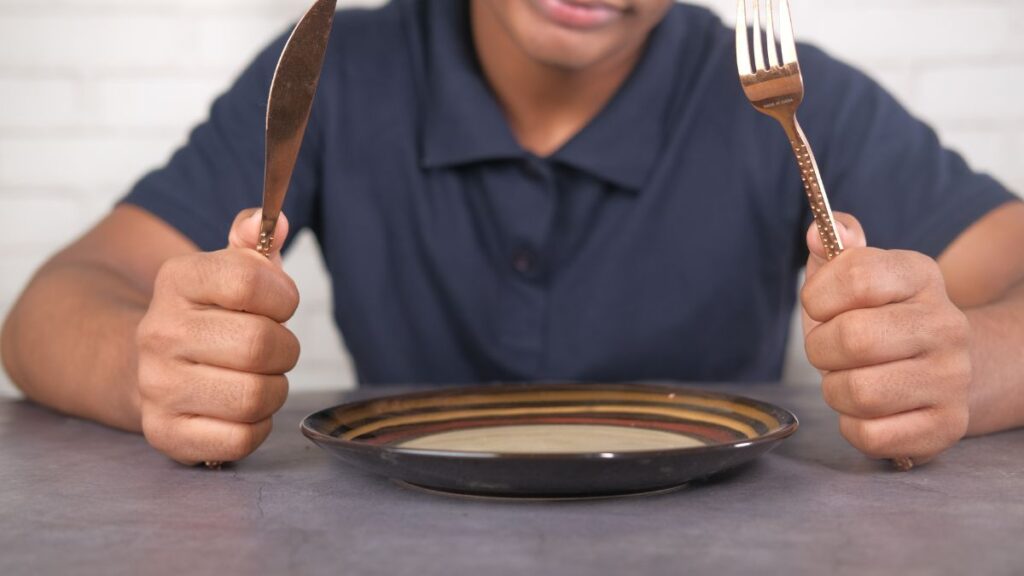
This post uses one simple question — “did you eat?” — to walk you through the entire Korean speech level system in one go. By the end, you’ll understand not just these 8 expressions, but the logic behind all of Korean politeness.
Why Does Korean Work This Way?
Korean has a built-in system called 경어법 (speech levels) — a set of rules that requires speakers to adjust their language based on their relationship with the listener. Think of it as politeness encoded directly into the grammar.
This system operates on two axes at once.
Axis 1 — Formal vs. informal register
Is this an official setting or an everyday conversation? A business meeting calls for different language than lunch with a friend.
Axis 2 — Level of respect toward the listener
How much should you elevate the other person? This affects not just the sentence endings, but the actual words you choose — including the word for “eat” itself.
In Korean, “eat” has three completely different words depending on how much respect you want to show:
- 먹다 (meokda) — neutral, everyday (just “eat”)
- 드시다 (deusida) — respectful (used for adults and seniors)
- 잡수시다 (jabsusida) — highest respect (used almost exclusively for elderly people)
And “meal” also has levels:
- 밥 (bap) — everyday word for rice / meal
- 식사 (siksa) — formal Sino-Korean word for meal
- 진지 (jinji) — highest honorific word for meal, used only for the elderly
When these layers combine, one question becomes eight expressions.
All 8 Versions — Fully Explained
Every expression below means the same thing: “Have you eaten?” What changes is everything around the meaning.
① 진지 잡수셨습니까?
Jinji jabsusyeosseumnikka?
- Formality: ★★★★★ Maximum formal
- Respect level: ★★★★★ Maximum respect
- Who it’s for: Grandparents, elderly people, highly revered seniors
- Setting: Formal occasions, first meetings with very senior elders
- Key detail: Both “진지” (meal) and “잡수시다” (eat) are the highest honorific forms available in Korean. Using both together signals the deepest possible level of respect. Outside of elderly relatives and extremely formal situations, this expression is rarely heard in everyday life.
② 진지 드셨어요?
Jinji deusyeoyo?
- Formality: ★★★★☆
- Respect level: ★★★★★ Maximum respect
- Who it’s for: Grandparents, elderly relatives, highly respected seniors
- Setting: Everyday conversation with elderly people you know well
- Key detail: Swaps “잡수시다” for the slightly softer “드시다,” but keeps “진지” for the meal. The result is slightly warmer and more natural while still showing maximum respect. This is the version most Koreans actually use with their own grandparents day to day.
③ 식사하셨습니까?
Siksahasyeosseumnikka?
- Formality: ★★★★★ Maximum formal
- Respect level: ★★★★☆
- Who it’s for: Distinguished guests, VIPs, people you’ve just met in an official capacity
- Setting: Formal events, business settings, broadcast media
- Key detail: “식사” is a Sino-Korean word that sounds more official than “밥.” This is the version you’d hear a news anchor use, or an emcee at a formal ceremony. It’s polished and professional, but not as personally warm as the expressions above.
④ 식사하셨어요?
Siksahasyeoyo?
- Formality: ★★★☆☆
- Respect level: ★★★★☆
- Who it’s for: Direct supervisors, teachers, adults you’ve recently met
- Setting: Workplace conversations, polite everyday interactions
- Key detail: This is the version most Korean office workers use to greet their manager at lunchtime. It sits right at the boundary between formal and casual — respectful enough for a professional setting, natural enough for daily use. If you only learn one version for workplace Korean, make it this one.
⑤ 밥 드셨어요?
Bap deusyeoyo?
- Formality: ★★★☆☆
- Respect level: ★★★☆☆
- Who it’s for: General adults, neighbors, acquaintances
- Setting: Everyday polite conversation
- Key detail: Replaces “식사” with the everyday word “밥” while keeping the respectful verb “드시다.” This is one of the most commonly used polite expressions in Korean daily life. You’d use it with a neighbor, a shopkeeper you see regularly, or any adult you want to address respectfully without being overly formal.
⑥ 밥 먹었어요?
Bap meogeoseoyo?
- Formality: ★★☆☆☆
- Respect level: ★★☆☆☆
- Who it’s for: Slightly older colleagues, friendly seniors you’re close to
- Setting: Casual but still polite situations
- Key detail: Drops the respectful verb “드시다” in favor of the neutral “먹다,” but keeps the polite sentence ending “요.” This signals a friendlier relationship while still maintaining basic courtesy. You’d use this with a colleague who’s a few years older than you, or a senior friend you’ve known for a while.
⑦ 밥 먹었어?
Bap meogeosseo?
- Formality: ★☆☆☆☆
- Respect level: ★☆☆☆☆ Informal speech
- Who it’s for: Friends, younger siblings, people the same age or younger
- Setting: Casual everyday conversation between peers
- Key detail: This is the version you’ll hear most often in K-dramas. No honorific verbs, no formal endings — just a clean, friendly question between people who are comfortable with each other. If someone uses this with you, it means they consider you a friend.
⑧ 밥 먹음?
Bap meogeeum?
- Formality: ☆☆☆☆☆ Most casual
- Respect level: ☆☆☆☆☆ Most informal
- Who it’s for: Very close friends, text message conversations
- Setting: KakaoTalk, SNS, texting between close friends
- Key detail: Drops the question ending entirely and replaces it with a shortened “음?” This is the text-message version — fast, casual, and only used with people you’re genuinely close to. Younger Koreans use this constantly in chat. Think of it as the Korean equivalent of texting “u eat?”
The Full Comparison at a Glance
| Expression | Formality | Respect | Best Used With | English Feel |
|---|---|---|---|---|
| 진지 잡수셨습니까? | ★★★★★ | ★★★★★ | Grandparents / Revered elders | Have you had your meal, sir/ma’am? |
| 진지 드셨어요? | ★★★★☆ | ★★★★★ | Grandparents / Elderly relatives | Have you eaten, sir/ma’am? |
| 식사하셨습니까? | ★★★★★ | ★★★★☆ | VIPs / Formal occasions | Have you dined? |
| 식사하셨어요? | ★★★☆☆ | ★★★★☆ | Boss / Teacher / Senior adults | Have you had lunch? |
| 밥 드셨어요? | ★★★☆☆ | ★★★☆☆ | General adults / Neighbors | Did you eat? (polite) |
| 밥 먹었어요? | ★★☆☆☆ | ★★☆☆☆ | Friendly seniors / Older colleagues | Did you eat? (casual polite) |
| 밥 먹었어? | ★☆☆☆☆ | ★☆☆☆☆ | Friends / Younger people | Did you eat? (friendly) |
| 밥 먹음? | ☆☆☆☆☆ | ☆☆☆☆☆ | Very close friends / Text only | U eat? (text slang) |
“Did You Eat?” Is Never Just About Food
Here’s something that makes this question genuinely special in Korean culture. “밥 먹었어?” is rarely just a question about whether someone has eaten.
In Korea, food carries emotional weight that goes far beyond nutrition. Asking someone if they’ve eaten is one of the most natural ways to say “I’m thinking about you” or “I care about how you’re doing.”
When a Korean friend calls after a long stretch of not talking and opens with “야, 밥은 먹었어? (Hey, have you been eating?)” — they’re not checking your caloric intake. They’re saying: I’ve been thinking about you. Are you okay? Are you taking care of yourself?
When an older Korean relative meets you at the door and immediately asks “밥은 먹었어요?” before anything else — that’s not small talk. That’s their way of saying “welcome, you matter here.”
This is why scenes in K-dramas where one character quietly asks another “밥은 먹었어?” during a difficult moment hit so hard emotionally. That one line carries warmth, concern, and connection — all wrapped into a question about lunch.
Where You’ll Hear Each Version in K-Dramas
Scene 1 — “진지 드셨어요?” (To a grandparent)
A main character arrives at their grandmother’s house and says “할머니, 진지 드셨어요?” before even taking their shoes off. Grandma smiles and says “왔어? 어서 와, 밥 먹자 (You’re here? Come in, let’s eat).” This is one of the warmest recurring scenes in Korean family dramas.
Scene 2 — “식사하셨어요?” (To a supervisor)
A junior employee runs into their team leader in the elevator at lunchtime and says “팀장님, 식사하셨어요?” The team leader nods and says “아직, 같이 갈래? (Not yet — want to come along?)” This is completely standard Korean workplace interaction.
Scene 3 — “밥 먹었어?” (Between friends)
A main character calls their closest friend and opens with “야, 밥은 먹었어?” No hello, no setup — just straight to the most Korean greeting there is. In the context of the story, it always means more than it says.
Scene 4 — “밥 먹음?” (Text message)
Two characters who like each other exchange messages. One sends “밥 먹음?” — three syllables, no punctuation. In the drama, everyone watching understands that this tiny message is actually: I’m thinking about you and I wanted an excuse to text.
3 Practical Tips for Travelers and Korean Learners
Tip 1 — When in doubt, use “식사하셨어요?”
If you’re meeting a Korean adult for the first time and aren’t sure which version to use, “식사하셨어요?” is your safest choice. It’s respectful without being stiff, and it works across a wide range of situations. You won’t offend anyone with this one.
Tip 2 — “밥 먹었어?” is the one to use with friends
Once you’ve become genuinely close with a Korean friend, “밥 먹었어?” is the natural, warm way to check in. Using a formal version like “식사하셨어요?” with a close friend will get you a puzzled look — or a laugh — because it signals unnecessary distance.
Tip 3 — If you haven’t eaten, expect an invitation
In Korea, saying you haven’t eaten yet is practically an open door. The response will often be “그럼 같이 먹으러 가자 (Then let’s go eat together)” — even from someone you’ve just met. This isn’t unusual. It’s one of the most distinctly Korean expressions of hospitality, and it happens constantly.
The One Thing to Take Away From This Post
Korean speech levels aren’t complicated because the rules are hard. They feel complicated because Korean encodes relationships directly into language in a way that English simply doesn’t.
Once you internalize three things — how well you know the person, how much older or senior they are, and what kind of setting you’re in — the right expression starts to come naturally. Pay attention to which version characters use with each other in K-dramas, and the pattern will click faster than you’d expect.
This series continues. If there’s a Korean expression that’s confused you during a trip to Korea or while watching a drama, leave it in the comments. Your question might become the next post.
- “Jamkkanmanyo” – Wait a Second, or Actually No? Korea’s Most Versatile Phrase Explained
- kkeuneosseo: ‘I Quit’ or ‘I Signed Up’? The Korean Verb That Means Both at the Same Time
- “Gwaenchanhayo” Means Yes, No, and I’m Fine
- “Yeogi Jari Isseoyo” – Does It Mean Yes or No? Korea’s Most Confusing Phrase Explained


