The moment you open your album and find your photocard is genuinely exciting. But that excitement can turn into regret within days. Corners get bent in a bag, ink transfers onto the card after being tucked between book pages, or colors fade after sitting on a sunny desk for too long — these are all common, avoidable mistakes.
k-pop photocard isn’t just a printed piece of paper. It’s a limited collectible you can never get back in the same condition once it’s damaged. And once it’s damaged, its trade and exchange value drops along with it.
This guide covers how to store your photocards without damage, how to organize your growing collection, and how to trade safely with other fans. This is the final article in the series — the step that turns everything you’ve bought and unboxed so far into a real collection.
Why Photocard Storage Actually Matters
Photocards are slightly thicker than regular paper, but they’re still vulnerable to impact, moisture, and UV light. Once a corner bends, it doesn’t bend back. Oil from your fingers can leave marks on the surface over time. Cards left in direct sunlight for extended periods can subtly shift in color, drifting from their original printed tones.
This kind of damage goes beyond cosmetics. Damaged photocards are rarely accepted in trades with other fans. PC trading communities classify card condition using terms like “Mint,” “LB” (Light Bend), and “Damaged” — and a card’s trade value changes dramatically depending on its condition. Proper storage from the start prevents all of these problems before they happen.
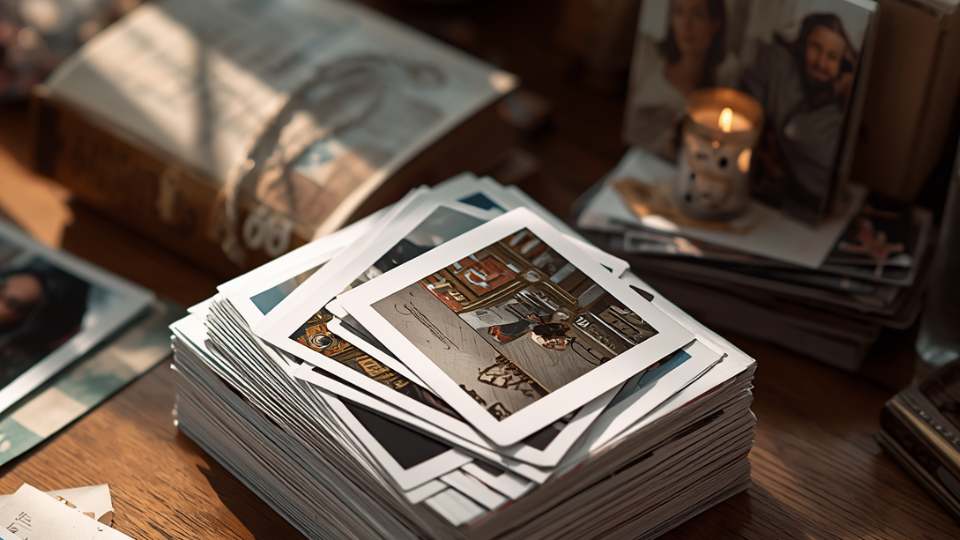
The 3 Essentials for Photocard Storage
Sleeves: The First Layer of Protection
A sleeve is a clear plastic case sized to fit a photocard exactly. The safest move is to slip your photocard into a sleeve immediately after unboxing — before you ever handle it directly with your fingers. Sleeves are extremely cheap and sold in bulk, making them the very first thing any new collector should pick up.
When putting a card into a sleeve, hold it by the edges only, so the oils from your hands don’t touch the printed surface. Sleeves protect against scratches and fingerprints, but they don’t fully protect against impact on their own.
Toploaders: Rigid Protection for Storage and Shipping
A toploader is a hard plastic case used to add an extra layer of protection around a sleeved photocard. Its main job is preventing the card from bending or creasing. This becomes especially important if you’re sending or receiving photocards through the mail — shipping a card without a toploader makes damage during transit far more likely.
For everyday storage, a sleeve alone is usually enough. But for cards you handle frequently, travel with, or send out for trades, a toploader is strongly recommended.
Binders: Organizing and Displaying Your Collection
As your photocard count grows, sleeves alone become hard to manage. That’s where a dedicated card binder comes in. Binders consist of pocketed pages bound together, letting you slot sleeved cards directly into place for storage.
A binder does double duty — storage and display. You can flip through pages to see your whole collection at a glance, and organizing by member or by album makes it much easier to find a specific card later. Many collectors share photos of their binder pages on social media, and organizing your collection this way becomes part of the fun of collecting itself.
3 Habits for Damage-Free Storage
Once you have your storage supplies, a few daily habits matter too. Always hold cards by the edges, and avoid handling them right after applying lotion or hand cream. Store your collection somewhere cool and dry, away from direct sunlight — avoid windowsills and spots near heaters. And never place cards under heavy books or objects; even inside a sleeve, sustained pressure can warp a card over time.
How to Trade PCs Safely
As covered in episode two, the most common way to get the member photocard you actually want is trading with other fans. Twitter (X) and Reddit both have active K-pop photocard trading communities — but scam reports are also a steady occurrence in these spaces.
What to Check Before Trading
First, check the other person’s account. Be cautious of accounts that were created very recently or have no trade references at all. Most PC trading communities have dedicated accounts or hashtags where people leave feedback about past trades. Always check someone’s trade references before proceeding.
What to Do During a Trade
Before shipping a card, take photos of both the front and back of the sleeved card and send them to the other person — this creates a record in case of a dispute over condition later. When shipping, always use a toploader plus an additional protective envelope to prevent damage in transit. Whenever possible, choose a shipping method with tracking.
Red Flags to Watch For
Be suspicious of anyone selling a popular member’s card for an unusually low price, or anyone demanding payment upfront with no trade history. Pressure tactics — like “buy now or I’ll sell to someone else” — are also a warning sign. If something feels off, stop and walk away. Finding a different trading partner is always the safer choice.
Real Example: How Storage Habits Make a Difference
One collector kept around 50 photocards, collected over two years, stacked loosely on a bookshelf without sleeves. Over time, several cards developed bent corners, and a few had color transfer from sitting against other cards. By the time this collector bought sleeves and a binder, the damage to those cards was permanent — there was no way to restore them.
Another collector who used sleeves and a binder from day one kept their entire collection, built over the same period, in “Mint” condition — and was able to trade from a much stronger position with other fans as a result. The difference in storage habits directly translated into a difference in collection value.
Start Managing Your Collection Today
This series has walked through how to safely buy a K-pop album, what’s actually inside when you unbox it, and how to protect and trade your photocards.
If you already have photocards, the first thing to do today is get some sleeves. They cost almost nothing, but they’re the single most important factor in determining your cards’ long-term condition. Next, get a binder and start organizing your collection. An organized collection isn’t just about storage — it helps you see at a glance what you have and what you still need.
Start now, and that photocard of your favorite member won’t just be a piece of paper. It’ll be a real collectible that stays exactly as you first received it, no matter how much time passes.
The reason why K-pop album photocards are random. Part 2 kpop album unboxing