When you live in Korea long enough, you start to notice something. There are restaurants that never make it onto tourist maps, yet locals have been quietly returning to them for decades. No tourist pricing, no performance — just honest food at a fair price.
Surimjeong (수림정) in Cheonan is exactly that kind of place.
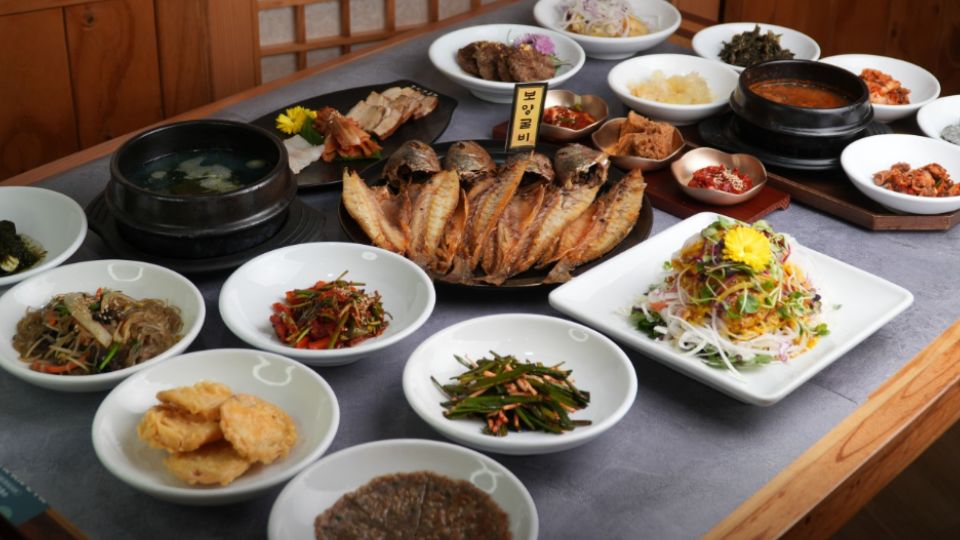
When I tell even Korean friends that a full bori gulbi (barley-dried fish) set meal costs under ₩19,000 here, the first reaction is usually: “Are you serious?” Bori gulbi is considered a premium ingredient in Korea — the kind of thing people give as gifts during the holidays. Finding it at this price, done properly, is genuinely rare. After visiting myself, I knew I had to share it with anyone traveling through Korea.
Before You Go: Two Things Worth Knowing
Understanding a little background will make the meal feel so much richer.
Hanjeongsik (한정식) — Korea’s Traditional Full-Table Meal
Hanjeongsik is the Korean tradition of the full-table set meal. Order one main dish, and the table fills up with rice, soup, and a spread of small side dishes — all at once, all included. Think of it as a Korean take on a full-course dinner, except everything arrives together rather than in sequence, and the price is a fraction of what a Western course meal would cost.
It originated in the royal court as a form of high-cuisine hospitality, and today it’s how Koreans celebrate — a parent’s birthday, a family reunion, a meal worth sitting down for. If there’s one dining format that captures what Korean food culture is really about, it’s hanjeongsik.
Bori Gulbi (보리굴비) — The Fish Once Reserved for Kings
Gulbi is a salted and dried yellow croaker (조기), one of Korea’s most historically significant fish dishes. Bori gulbi takes it a step further: the fish is buried inside sacks of barley and left to slowly dry and age over a long period — at Surimjeong, that means 1,680 hours, or about 70 days.
The result is completely different from ordinary dried fish. The briny sharpness mellows out, and what remains is a firm, chewy, deeply savory fish with a clean umami finish and no fishiness at all. This was once a tribute food sent to Korean royalty, and it remains one of the most prized holiday gifts in Korea today. Finding it as an everyday meal for under ₩20,000 is not something you come across often.
Why Surimjeong Is Different
There are plenty of restaurants in Korea that serve bori gulbi. What sets Surimjeong apart starts well before the food reaches your table.
This restaurant owns and operates its own drying yard (덕장, deokjang) directly in Hwasun, South Jeolla Province. They don’t purchase finished fish from a supplier — they produce it themselves, from start to finish. Every bori gulbi served here has been naturally dried in open air for 1,680 hours under the restaurant’s own roof.
That 70-day process is also the reason the price stays this low. With no middlemen and no distribution markup, the savings go directly into the value of the meal.
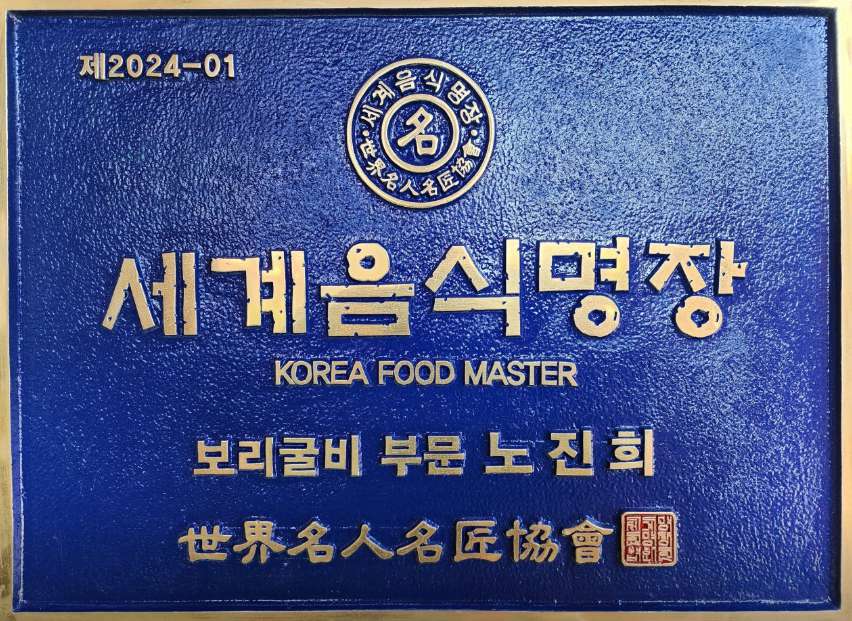
The restaurant has been running for 27 years. The owner holds the title of World Culinary Master, and it is now operated by the second generation of the family. It has been featured on Korean TV programs including Saturday is Rice Day and Vivid Information, both of which are known for spotlighting restaurants that locals already love.
One more thing worth knowing: this is Namdo cuisine (남도음식) — the food tradition of Korea’s South Jeolla region. Namdo cooking is widely considered the most flavorful regional cuisine in the country, known for its honest seasoning and deep respect for ingredients. Surimjeong brings that tradition to Cheonan, and it shows in every dish on the table.
Walking In
The restaurant is quieter than you might expect. Clean wood-toned interiors, calm lighting, and tall partitions between tables that give each seat its own sense of privacy. You won’t make eye contact with neighboring diners, and no one will be watching you figure out what to do.
In Korea, this kind of layout is popular for family gatherings and business lunches — places where people want to eat and talk without distraction. For travelers, especially those navigating a language gap, it’s an unexpectedly comfortable setting. You can take your time, look things up, ask questions, and eat at your own pace without feeling self-conscious.
The atmosphere sits somewhere between a proper fine-dining Korean restaurant and a warm family eatery. Not stiff, not casual — just the right level of comfort for a meal that deserves your full attention.
The Menu: What to Order on Your First Visit
| Menu Item | What’s Included | Price |
|---|---|---|
| Gulbi One Fish Set (굴비 한 마리 정식) | Bori gulbi + 14 side dishes, rice, soup | ₩19,000 |
| Special One Fish Set (한마리 특정식) | Above + tteokgalbi, hongeo samhap, etc. | ₩28,000 |
| Surimjeong Full Course (수림정식) | Most complete course offering | ₩38,000 |
| Extra Bori Gulbi | Add-on single fish | ₩10,000 |
| Hongeo Samhap (홍어삼합) | Fermented skate + pork + aged kimchi | ₩22,000 |
For a first visit, go with the Gulbi One Fish Set (₩19,000). It’s what most local customers order, and it’s the clearest picture of what this restaurant does best.
In perspective: ₩19,000 is roughly $13–14 USD or €12–13 EUR. For that, you get a premium aged fish, 14 side dishes, stone pot rice, and dessert — all included. That kind of value is hard to find anywhere in the world.
The Brave Option — Hongeo Samhap (홍어삼합) This is one of the most distinctive dishes in all of Korean cuisine. Fermented skate fish (홍어) is layered with boiled pork belly and aged kimchi and eaten together in one bite. The fermentation produces a sharp ammonia-like aroma that even some Koreans find confronting at first. But eaten as a trio, the three strong flavors balance each other into something genuinely complex and unforgettable. If you want to experience the furthest edge of Korean fermentation culture, this is it — just go in knowing what you’re signing up for.
Table Fills Up
After you order, small dishes begin arriving one by one until the table is covered. Seasoned cockles (꼬막), glass noodles (잡채), seasoned vegetables (나물), kimchi, braised side dishes (조림), savory pancakes (전)… count them up and you’ll find 14 side dishes surrounding your main.
All of them are free to refill. If a dish runs low, catch the eye of a staff member or simply point to the empty bowl. Asking for refills is completely normal in Korean dining culture — no need to hesitate.
The last thing to arrive is the Suhyang-mi stone pot rice (수향미 솥밥). Suhyang-mi is a premium Korean rice variety with a naturally nutty, slightly sweet fragrance that fills the air when the lid is lifted. In Korea there’s a saying: “If the rice is good, the meal is already half won.” At Surimjeong, the rice alone makes a case for coming back.
Surimjeong’s Quiet Detail
There’s one more thing I want to flag, because it’s easy to overlook and it changes the whole meal.
Most Korean restaurants serve barley tea or green tea with the food. Surimjeong serves something different: dwaeji gamja water (돼지감자 우린물) — a warm drink made from boiled Jerusalem artichoke (돼지감자). It has a mild, nutty sweetness and a very clean finish.
Here’s why it matters. After a bite of bori gulbi, a spoonful of rice, and a sip of this drink, the slight fishiness disappears entirely, leaving only the clean umami of the gulbi behind. The restaurant recommends this exact rhythm: one spoon of rice → one sip of the drink → one bite of fish, repeated throughout the meal. Try it and you’ll immediately understand why a 27-year restaurant made this choice.
There’s a reason behind every element on this table. That’s what decades of experience looks like.
Finishing
When you’re done, help yourself to the dessert station near the exit. The options are sujeonggwa (수정과) — a traditional Korean punch made from ginger, cinnamon, and dried persimmon — or coffee.
Sujeonggwa is sweet, warmly spiced, and slightly peppery at the finish. After a rich meal, it settles the stomach in a way that feels both intentional and gentle. Think of it as Korea’s version of the post-dinner digestif. Not many restaurants bother to set up a proper dessert station like this. The fact that Surimjeong does tells you something about how they think about hospitality.
Korean Dining Culture: A Few Things to Know
To help you feel comfortable at the table, here are a few norms worth understanding.
① Side dishes are shared by the whole table Regardless of what each person ordered, all banchan (side dishes) on the table are shared. You can scoop portions onto your own plate or eat directly from the shared dishes — both are fine.
② Refilling side dishes is completely normal If a dish runs out, ask for more. Point to the bowl and say “I-geo deo ju-se-yo” (이거 더 주세요) — it means “more of this, please.” No one will think twice about it.
③ Spoon for rice and soup, chopsticks for side dishes In Korean table etiquette, the spoon handles rice and liquids, while chopsticks are for picking up side dishes. You won’t hold both at the same time.
④ Wait for elders to eat first If you’re dining with older guests or someone senior to you, the respectful practice in Korea is to wait until they pick up their spoon before beginning your own meal.
Getting There
| Address | 29 Tongjeong 6-ro, Dongnam-gu, Cheonan, South Chungcheong Province |
| Map | Search “수림정 천안 신방점” on Naver Maps or Kakao Maps |
| Hours | Daily 11:10 – 21:00 |
| Break Time | 15:00 – 17:00 (kitchen closed, no entry) |
| Last Order | 20:00 |
| Parking | Available nearby |
| Payment | Credit/debit cards accepted |
Getting to Cheonan
Cheonan is one of Korea’s major KTX stops, making it very easy to reach from Seoul.
- Seoul Station → Cheonan-Asan Station: KTX, approximately 35–40 minutes
- Cheonan-Asan Station → Surimjeong: Taxi, approximately 10–15 minutes (~₩7,000–10,000 / ~$5–7 USD)
- Important: Cheonan-Asan Station (KTX) and Cheonan Station (Subway Line 1) are two different stations. When taking the KTX, get off at Cheonan-Asan Station.
Day Trip Idea: Cheonan is home to the Independence Hall of Korea (독립기념관), one of the country’s most significant museums documenting Korea’s independence movement. Spend the morning there, and come to Surimjeong for lunch. History and a proper Korean meal — it makes for a very full and satisfying day trip from Seoul.
Who Should Visit
- Travelers who want to eat where locals actually go — not where tourists are sent
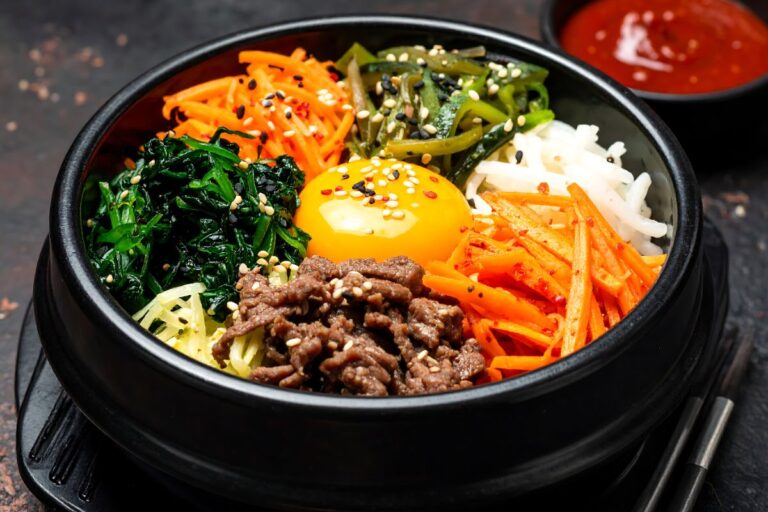
- Anyone ready to go deeper than bibimbap and bulgogi and explore the real range of Korean food
- Groups that include both adventurous and cautious eaters — the menu covers everyone
- Anyone combining a meal with a day trip from Seoul to Cheonan
- Budget-conscious travelers who still want a genuinely memorable Korean meal
A Final Thought
What makes Korean food special isn’t any single dish. It’s the whole table — the way everything works together. The bori gulbi is the centerpiece, but the 14 side dishes exist to support it. The Jerusalem artichoke water is there to cleanse the palate between bites. The stone pot rice ties everything together at the end. Each element has a purpose, and the meal only makes complete sense when you experience all of it at once.
Living in Korea, I keep coming back to places like this for a simple reason: the ingredients are honest, the price is fair, and the way they treat you feels warm. That combination is harder to find than it sounds.
If your travels take you through Cheonan — or if you’re looking for a reason to make the trip — Surimjeong is worth it. A ₩19,000 meal that stays with you long after you’ve left the table. That’s the kind of value that’s hard to put a price on.
Budget-Friendly Eats in Korea — the series continues. More local recommendations coming soon.