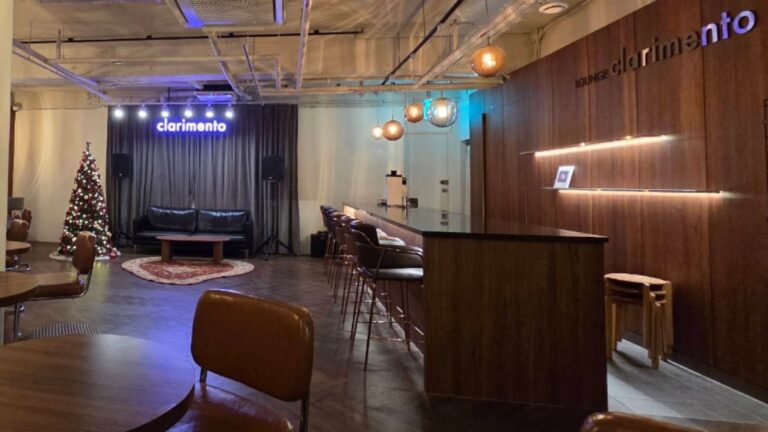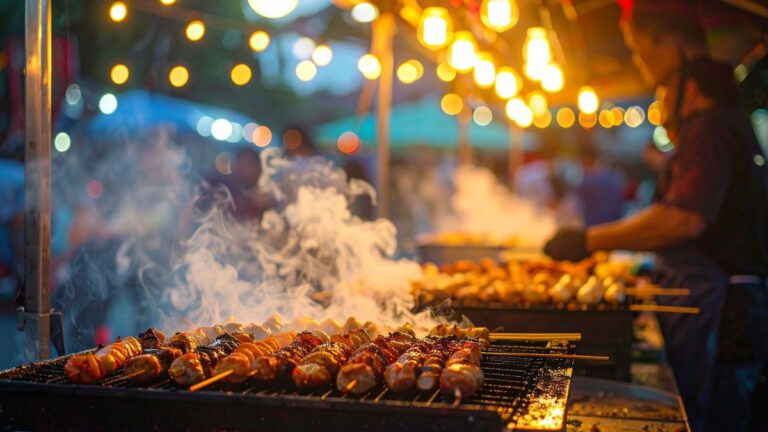
Pakgobollae is a 22-year-old retro indoor pojangmacha that has held the same spot near Gangnam-gu Office Station since 2002. This is where you can try sannakji — the #1 food foreign tourists say they most want to try in Korea.
Large amberjack, clam stew, tangtangi, abalone sashimi, meat pancakes, and spicy fish roe stew — the full pojangmacha seafood spread is here in one place. Living in Korea, when foreign travelers ask for a place to experience genuine Korean bar food and things you can only eat here, Pakgobollae is the answer.
A 3–5 minute walk from Gangnam-gu Office Station Exit 2, open from 5 PM to 3 AM.
First: What Is a Pojangmacha?
Understanding Korean pojangmacha culture makes the Pakgobollae experience richer before you walk in the door.
Pojangmacha (포장마차) literally means “covered wagon” and originally referred to tent-covered street bars — small, cheap, open-air stalls selling fried snacks, soju, and beer late into the night. It’s a form of Korean working-class food and nightlife culture that has been part of the streets for decades.
Indoor Pojangmacha vs. Street Pojangmacha
A traditional outdoor pojangmacha is compact, weather-dependent, and set up under a canvas awning. An indoor pojangmacha keeps the same atmosphere, menu, and spirit, but in a proper building with heating, cooling, and facilities. Pakgobollae is exactly this format — retro interior and pojangmacha soul, but with air conditioning, a full kitchen, and a table-side kiosk for ordering.
Korean Food Tourism Is Changing
The way foreign travelers eat in Korea has shifted noticeably in recent years.
Beyond bibimbap and bulgogi, there’s a growing number of travelers specifically seeking out foods that exist nowhere else — bold, confronting, and distinctly Korean. Mungteogi (raw beef, eaten as sliced chunks), hongeo samhap (fermented skate paired with boiled pork and aged kimchi), and sannakji (live octopus, still moving on the plate) represent the far edge of this trend, and demand is rising.
Korea Tourism Organization Official Data: Sannakji Is the #1 Unique Korean Food Foreign Tourists Want to Try
According to a Korea Tourism Organization (KTO) official survey of 944 foreign tourists, participants were asked which of Korea’s distinctive foods they most wanted to try. 26% chose sannakji — the top answer by a significant margin, ahead of ganjang gejang (marinated crab, 14.6%), sundae (Korean blood sausage, 14.2%), and hongeo (fermented skate, 10.3%).
The Korea Times reported that “in recent years, trying sannakji has become a kind of challenge culture among foreign visitors to Korea.” Pakgobollae is one of the most accessible places in Gangnam to have that experience.
The Main Event: Sannakji and Tangtangi
If you come to Pakgobollae, the sannakji menu is the one to try. It will be one of the most singular food experiences you have in Korea.
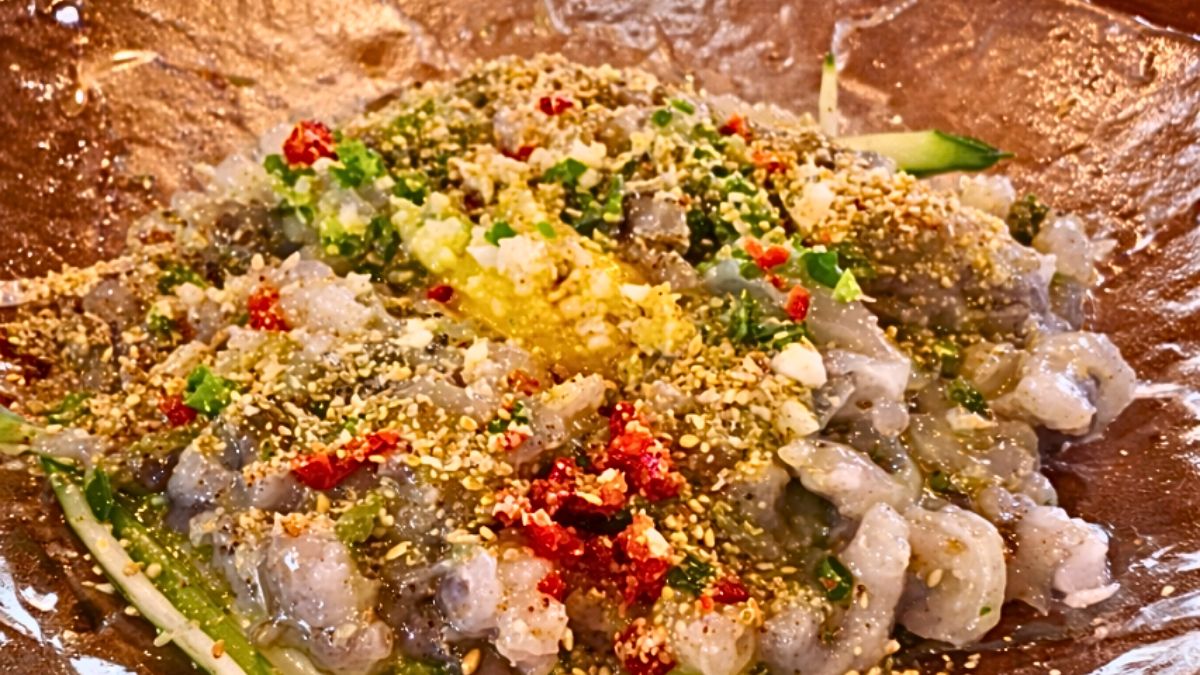
What Is Sannakji? — Octopus That Is Still Moving
The word sannakji breaks down as san (산, 生 — meaning “alive”) + nakji (낙지, octopus). It is live octopus, sliced immediately before serving and seasoned with sesame oil and salt.
According to Korea Herald‘s official coverage, “the severed tentacles of sannakji continue to wriggle on the plate because the ganglia — nerve clusters — operate independently even after being separated from the body.” The octopus is not alive on the plate. It is neural activity continuing after death. When you pick up a piece with chopsticks, the tentacle wraps around them. When you place it in your mouth, the suction cups grip your tongue.
This is what sannakji means within Korean food culture — the most extreme expression of the Korean philosophy that absolute freshness is the highest form of seafood. The dish gained international attention following a famous scene in the 2004 film Oldboy, in which actor Choi Min-sik consumes a whole live octopus.
Pakgobollae sannakji menu: Sannakji ₩28,000 / Sannakji Tangtang ₩29,000
Tangtangi (탕탕이): One Step Further
Pakgobollae’s signature menu item is tangtangi — a preparation that takes sannakji a step further.
The octopus is chopped into even smaller pieces with a knife (the tang-tang-tang chopping sound is where the name comes from). These smaller pieces, divided but still neurally active, continue to move on the plate. They’re seasoned with sesame oil, salt, and sesame seeds and served in a small dish. Tangtangi is actually easier to eat than whole sannakji, while the visual experience is more intense.
Pakgobollae tangtangi menu: Sannakji Tangtang ₩29,000 / Abalone + Yukhoe + Sannakji Tangtangi combo ₩48,000 / Yukhoe Tangtangi ₩38,000
Safety Rules You Must Know Before Eating Sannakji
Sannakji is delicious — and it comes with real risks that every diner should understand. Both Korea Herald and food safety professionals consistently emphasize the following.
Rule 1: Chew thoroughly before swallowing. The suction cups on octopus tentacles can adhere to the esophagus and airway. Do not swallow quickly. Chew each piece completely before letting it go down.
Rule 2: Slow down if you’ve been drinking. Alcohol dulls the swallowing reflex and increases the risk of choking significantly. Since pojangmacha visits almost always involve alcohol, this rule matters especially here.
Rule 3: Eat in small pieces. Don’t put a large section in your mouth at once. Use chopsticks to work through the dish in small, manageable bites.
Follow these three rules and sannakji is a safe and extraordinary experience. Koreans have eaten it for centuries as a traditional food — the dish is not inherently dangerous when eaten with care.
Winter Season: Large Amberjack (Daebangeo) — “In Gangnam-gu for Bangeo, You Come Here”
Pakgobollae’s other signature is its winter amberjack.
Bangeo (방어, Japanese amberjack / yellowtail) is a seasonal fish that peaks in fat content and flavor between November and February. Daebangeo specifically refers to large specimens over 5kg, where the fatty belly cuts are particularly prized — silky, rich, and priced accordingly at upscale Japanese restaurants in Korea. At Pakgobollae, you get the same quality fish in a pojangmacha setting at a significantly more accessible price.
Among Gangnam locals, the expression “bangeo near Gangnam-gu Office? Pakgobollae” circulates enough that the restaurant sees genuine waiting times during winter amberjack season.
Winter amberjack menu: Bibigo Diced Amberjack ₩79,000 / Mixed Sliced Fish ₩48,000 / Squid Sashimi ₩38,000 / Mixed Fish Naengmyeon Bowl ₩38,000
Full Menu & Pricing Guide
Sashimi & Seafood
| Menu Item | Price | Notes |
|---|---|---|
| Sannakji (Live Octopus) | ₩28,000 | Still moving — foreign visitors’ #1 pick |
| Sannakji Tangtang | ₩29,000 | Finely chopped octopus, easier to eat |
| Abalone + Yukhoe + Sannakji Tangtangi Combo | ₩48,000 | Premium combination platter |
| Yukhoe Tangtangi | ₩38,000 | Raw beef + chopped octopus combination |
| Bibigo Diced Amberjack | ₩79,000 | Winter seasonal special |
| Mixed Sashimi Bowl | ₩48,000 | Seasonal fish assortment |
| Steamed Clam Pot | ₩45,000 | Assorted clams and shellfish |
| Mackerel Sashimi Full Set | ₩85,000 | Premium mackerel course |
Anju (Food to Accompany Drinks)
| Menu Item | Price |
|---|---|
| Spicy Fish Roe Stew (알탕) | ₩30,000 |
| Spicy Stir-fried Squid | ₩30,000 |
| Clam Soup (조개탕) | ₩27,000 |
| Braised Spicy Chicken (닭볶음탕) | ₩33,000 |
| Braised Chicken Feet in Broth | ₩25,000 |
| Beef Pancake (육전) | ₩26,000 |
| Cheese Potato Pancake | ₩20,000 |
| Fried Squid | ₩28,000 |
| Tofu Kimchi / Pork Rib / Chicken Gizzard | ₩22,000 each |
Drinks: Soju, beer, draft beer, makgeolli, highball, distilled spirits — full lineup
Per-person cost guide: For a group of 2–3 people ordering 3–4 dishes plus drinks, expect roughly ₩40,000–55,000 per person (~$28–40 USD). For a Gangnam pojangmacha with this quality of seafood, that is a reasonable price point.
What 22 Years of Retro Pojangmacha Atmosphere Looks Like
Walking into Pakgobollae feels like stepping into 2002.
The interior carries the marks of two decades — worn in the best way, but clean. “Nostalgic without being dirty” is exactly how regular visitors describe it. By 6:30 PM, tables begin filling. By 7:00, the room sounds like a proper pojangmacha — lively, loud, and distinctly alive.
Walls Covered in Celebrity Autographs
The interior walls of Pakgobollae are covered in signed messages from Korean entertainment figures who have visited over the past 22 years. Gangnam, Cheongdam, and Nonhyeon are the neighborhoods where Korea’s TV, music, and entertainment industry operates — and Pakgobollae has quietly become the kind of local pojangmacha that people from those industries come to after work. Scanning the signatures is a small, entertaining activity on its own.
Facilities: Table-side ordering kiosk (easy for non-Korean speakers), phone charger at every table (genuinely useful for travelers), valet parking (₩2,000), free Wi-Fi, group seating available, takeout possible
Getting There & Practical Info
| Address | 3-6 Seolleung-ro 129-gil, Gangnam-gu, Seoul |
| Map | Search “박고볼래 논현 본점” on Naver Maps or Kakao Maps |
| Hours | Mon–Sat 17:00 – 03:00 |
| Closed | Every Sunday |
| Subway | Suinbundang Line — Gangnam-gu Office Station, Exit 2 — 3–5 min walk |
| Parking | Valet parking ₩2,000 |
| Payment | Table kiosk / cards accepted |
Timing: Waiting times start building after 18:30. If possible, arrive between 17:00 and 18:00 when the doors first open. Reservations are also an option.
Connecting It to a Gangnam Itinerary
Gangnam-gu Office Station is two stops from Gangnam Station on the Suinbundang Line. If you’re spending a day around Gangnam, Seolleung, Nonhyeon, or Cheongdam, Pakgobollae fits naturally as the evening anchor.
Suggested route: Gangnam Station shopping → Seolleung Royal Tombs → Cheongdam-dong cafes → Pakgobollae evening and sannakji challenge
Korean Pojangmacha Etiquette: A Quick Guide
① Pour for others before pouring for yourself In Korean drinking culture, you don’t fill your own glass. When someone’s glass is empty, fill it. They’ll do the same for you. It’s one of the most fundamental rules of the Korean drinking table.
② Let the eldest person drink first If you’re with people older than you, wait until they raise their glass before drinking. This applies at any Korean social meal or drinking occasion.
③ Hold your glass with both hands when receiving a pour When someone fills your glass, receive it with both hands, or with one hand supported at the wrist by the other. It’s a gesture of respect that Koreans notice.
④ Pojangmacha is supposed to be loud If you’re looking for quiet conversation, a pojangmacha is not the venue — a cafe is. Pakgobollae gets lively. Lean into it. The noise is part of the experience.
⑤ The night can go well past midnight, and that’s normal Korean pojangmacha culture often flows into second and third rounds at different venues. Pakgobollae is open until 3 AM, so there’s no need to watch the clock.
Who Should Visit
● Foreign travelers who specifically want to try sannakji — this is one of the most accessible and welcoming places in Gangnam to do it
● Anyone who has moved past bibimbap and samgyeopsal and wants to explore what Korean food looks like at its most distinctive
● Travelers who want genuine Korean pojangmacha culture — not a tourist-facing simulation, but the real thing
● Anyone in the Gangnam area looking for a solid evening or late-night food and drinks destination
● Groups of 2–5 who want a full seafood anju spread with Korean drinks, in a place that has 22 years of proof behind it
One Final Thought
Living in Korea, one thing I’ve come to believe about restaurants is this: 22 years in one place, in one of the most competitive neighborhoods in Seoul, with no flashy marketing — that only happens if the food is genuinely good.
Pakgobollae has been sitting in that same Gangnam alley since 2002, and people still line up after 6:30 PM to get in. The food is that consistent. The atmosphere is that real.
The Korea Tourism Organization found that sannakji is the #1 food foreign tourists most want to experience in Korea. You can have that experience at a table in a retro Gangnam pojangmacha, with winter amberjack and clam stew alongside it, and a glass of soju in hand. That is what Pakgobollae offers.
Take Exit 2 from Gangnam-gu Office Station and walk 3–5 minutes. The moment you see the tentacles moving on the plate, you’ll understand immediately why this is something you can only do in Korea. Follow the safety rules, take your time, and enjoy it.
🇰🇷 Korea Experience series continues — more things you can only do in Korea, coming soon.