In our last post, we looked at how Kisa in New York compares to a real Korean gisa sikdang. But once you’ve decided “let’s actually go to one in Korea,” there’s a catch. Seoul has hundreds of gisa sikdangs, and a lot of them sit in neighborhoods that are hard to reach by public transit, have zero English signage, and at some, even locals wait in line. Not every gisa sikdang is a good fit for a foreign traveler.
So this time, we picked five that are reachable by subway, have relatively simple menus, and have a proven signature dish, then compared them directly.
1. Gamnamujib Gisa Sikdang (Yeonnam-dong)
Located right next to the Gyeongui Line Forest Path, close to Hongik University Station. It became nationally known after appearing on the variety show Infinite Challenge, and its signature dish is dwaeji bulbaek, marinated pork you grill yourself and wrap in lettuce. You don’t need to speak Korean here; pointing at one photo on the menu board is enough to order.
It’s open 24 hours, every day, which makes it a solid option even on your first jet-lagged night.
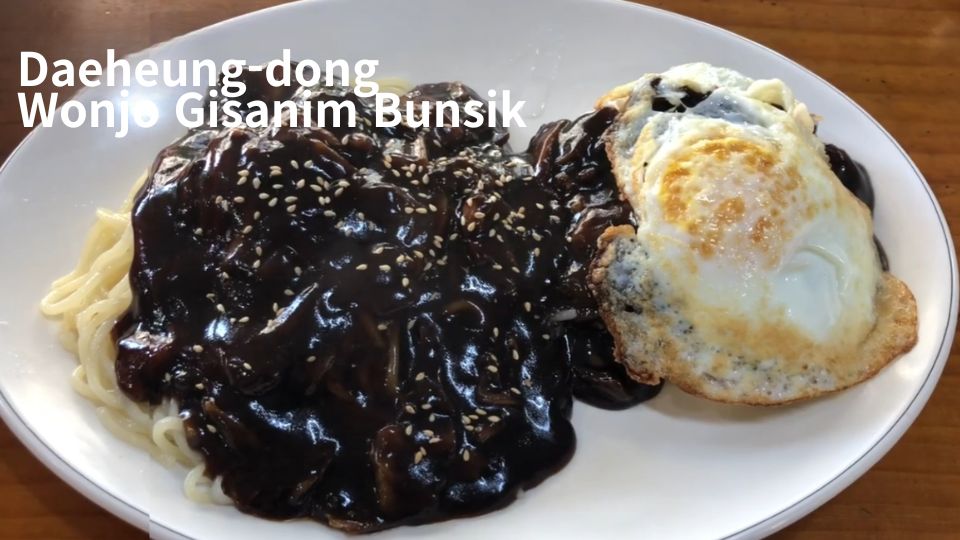
2. Wonjo Gisanim Bunsik (Daeheung-dong)
A short walk from Daeheung Station. The signature dish is jjamyeon-bap, which combines jjajangmyeon and jjajang-bap in one bowl, and it costs around 5,000 won, one of the cheapest full meals you’ll find in Seoul. It’s open from 9 a.m. to 4 a.m. the next day, which is genuinely useful if you’re arriving late or have a night-shift kind of itinerary.
The atmosphere is relaxed enough that eating alone here feels completely normal.
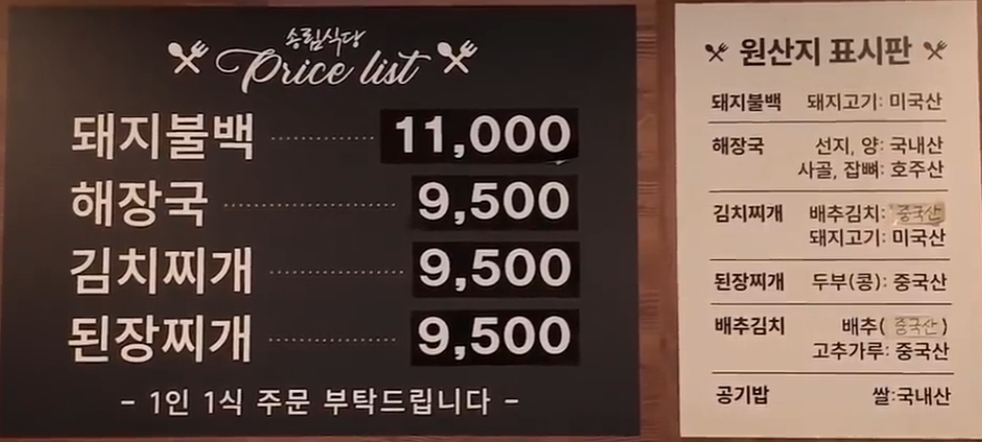
3. Songrim Sikdang (Jayang-dong)
Close to Konkuk University Station, where subway lines 2 and 7 meet, so it’s easy to reach. With 300 seats and a parking tower that holds 50 cars, it’s known as one of the largest gisa sikdangs in Seoul.
The jeyuk bulgogi set runs 11,000 won, and you mix it with rice, lettuce, and gochujang at the table. Because of its size, wait times tend to be short, and it’s easy to get a table even with a group.
4. Seopyeong Gisa Sikdang (Irwon-dong)
A good pick if you’re staying in the Gangnam area. Its main dish is dakgomtang, a milky chicken broth loaded with tender shredded chicken. It’s mild rather than spicy, so it’s an easy entry point if you’re not used to heavily seasoned Korean food.
Prices sit around 10,000 won, and it gets busy enough at lunch that locals line up too.
5. Yongmun Haejangguk (Yongsan-gu)
Near Hyochang Park, not far from Yongsan or Itaewon. It specializes in ox-bone hot pot and boiled meat, and runs a bit pricier than the others (the medium ox-bone hot pot is 28,000 won), but it’s a genuinely filling meal.
It operates in two separate shifts, morning and evening, so it’s worth checking the hours before you go.
At a Glance
| Restaurant | Location / Access | Signature Dish | Price Range | Hours | Best For |
|---|---|---|---|---|---|
| Gamnamujib Gisa Sikdang | Near Hongik Univ. Station | Dwaeji bulbaek | ~10,000 won | 24 hours | First-timers, night arrivals |
| Wonjo Gisanim Bunsik | Near Daeheung Station | Jjamyeon-bap | ~5,000 won | 9 a.m.–4 a.m. next day | Solo travelers, budget eats |
| Songrim Sikdang | Near Konkuk Univ. Station | Jeyuk bulgogi set | 11,000 won | 10 a.m.–10 p.m. | Groups, low wait times |
| Seopyeong Gisa Sikdang | Irwon-dong (Gangnam area) | Dakgomtang | ~10,000 won | 9:30 a.m.–10 p.m. | Gangnam stays, mild flavors |
| Yongmun Haejangguk | Yongsan-gu (Hyochang Park) | Ox-bone hot pot / boiled meat | 25,000–30,000 won | Split morning/evening shifts | Hearty meals, near Itaewon |
A Few Things Worth Knowing Before You Go
Most of these places have no English menu, so having a translation app open in advance makes things easier. Larger spots like Songrim Sikdang and Yongmun Haejangguk take cards without issue, but smaller, alley-tucked gisa sikdangs sometimes only take cash, so carrying a bit of cash is the safer move. Lunch hour, roughly noon to 1 p.m., tends to be packed with locals, so going outside that window gives you a bit more breathing room.
The same atmosphere New Yorkers pay $32 and wait in line for can be experienced in Seoul for somewhere between $4 and $10, and it feels far more local. Just adding one of these five to your Seoul itinerary is enough. Start with a quick search for the restaurant name on Naver Map and get walking directions from there.
In the next post, we’ll dig into the banchan you’ll typically see at a gisa sikdang, especially the refill culture around side dishes that foreign visitors tend to ask about most.