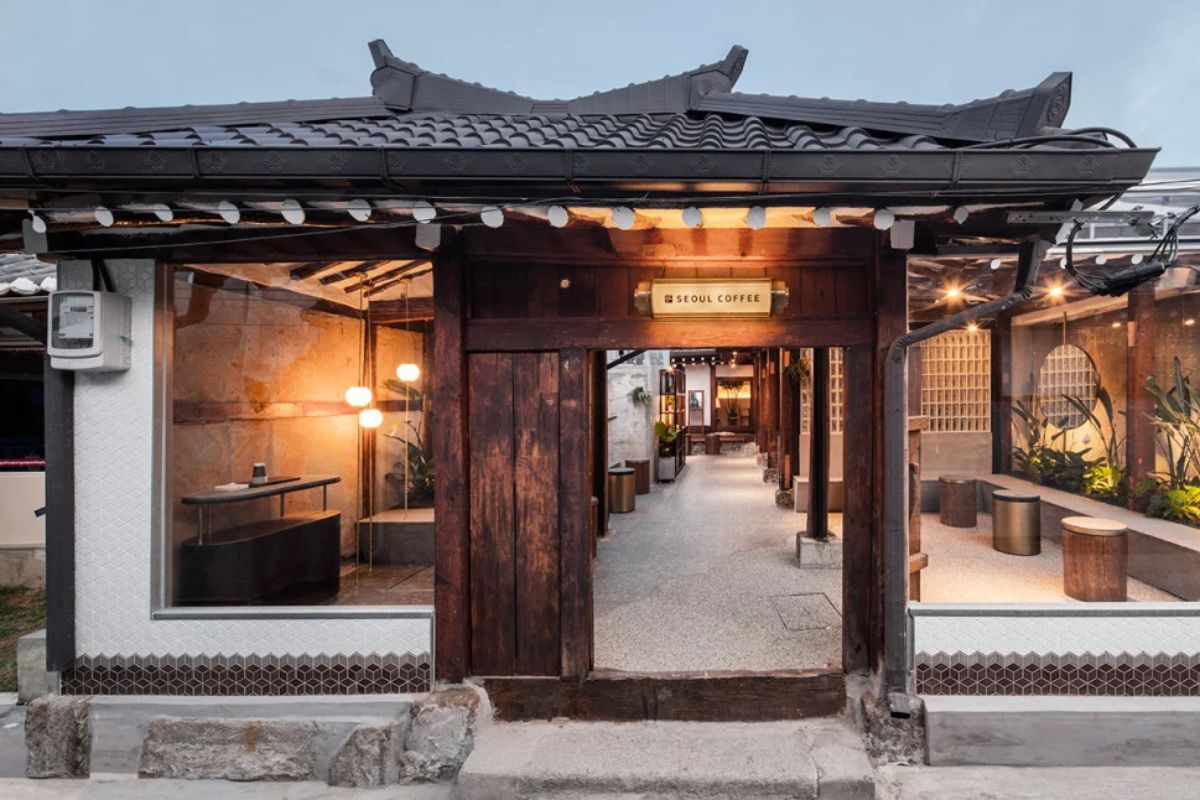
Here’s the short version: Seoul Coffee Ikseon and Cafe Onion Anguk are both cafes built into restored hanoks, but sitting down in either one feels like stepping into a completely different era. One leans into nostalgia for 1980s Seoul; the other layers a very current European bakery trend onto a 1920s hanok. Both are within walking distance of each other, so seeing them both in a single day is entirely doable.
Seoul Coffee Ikseon — Here Before Ikseon-dong Got Trendy
Seoul Coffee Ikseon opened in June 2017, making it one of the earlier tenants in what’s now one of Seoul’s most talked-about hanok neighborhoods — back when Ikseon-dong was still a quiet residential pocket. The cafe’s identity is spelled out clearly in its own brand story: it opens with a line about how hard it is to find traces of the old city in a Seoul that changes by the day, and the whole concept is built around nostalgia for 1980s Seoul.

Digging a bit further into the brand’s own stated philosophy, there’s a line about how the old shops people used to pass through every day eventually changed hands and got swept up into stylish new commercial districts. The red mailboxes on the street, the smell of a working mill, the small coffee shop where people once lingered over conversation — all of it, the brand says, now exists only in memory. That sense of loss is what the cafe is trying to recapture, and it fits the location well: Ikseon-dong itself is one of the last remaining hanok-dense pockets left in Seoul.
The neighborhood was originally laid out in the 1920s as a planned district of urban hanoks. It sat as a run-down residential area for decades before young business owners started converting individual hanoks into cafes and restaurants in the mid-2010s, turning it into the “hot spot” it is today. Seoul Coffee was one of the early names in that shift.
The concept is obvious from the entrance. A thick, aged wooden door sits beneath a rotating sign styled after an old-school barbershop, with the words “Seoul Coffee” slowly turning inside it. Step through, and you’re met with low ceilings, soft lighting, and an interior that leans on the natural texture of old wood and stone rather than any heavy decoration. Nothing here is dressed up — the age of the materials is the point.
The menu carries that same identity through. The signature item is cube-shaped ice cream in nostalgic, traditional flavors like acacia honey and red bean, served on handmade wooden trays. Beyond that, strawberry bingsu, injeolmi (rice cake) bingsu, black sesame lattes, matcha cake, and yakgwa cookies all have a steady following. During the holidays, they’ve been known to add small seasonal touches — a bear-shaped Christmas tree for photos, for instance — to give repeat visitors something new each time. There’s also seating by the floor-to-ceiling windows looking out onto the hanok street, and those spots tend to fill up first on nice days.
- Address: 33-3 Supyo-ro 28-gil, Jongno-gu, Seoul (166-31 Ikseon-dong)
- Hours: Roughly 11 AM to 10 PM (can shift somewhat by season)
- A tip on atmosphere: Parking in the alley is difficult, so taking the subway (Jongno 3-ga Station, Lines 1, 3, or 9) is the way to go. Weekday evenings reportedly tend to have more open seating.
Cafe Onion Anguk — A 1920s Hanok With a Very Current Bakery
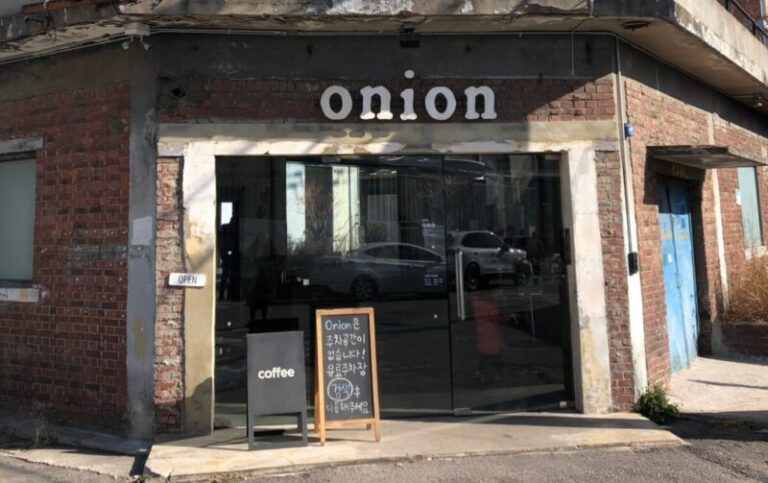
Cafe Onion Anguk is the third location from Onion, one of Seoul’s most recognizable cafe brands, and it opened in March 2019. Onion got its start in Seongsu-dong back in 2016, restoring a building from the 1970s that had cycled through life as a supermarket, a restaurant, a hardware shop, and finally a metal factory — largely left as-is, which helped establish “industrial cafe” as a legitimate genre in Seoul’s cafe scene.
They later opened a third location at Gwangjang Market in 2022, taking on the atmosphere of a traditional market alley. Anguk, opening in between in 2019, took the brand in a completely different direction: traditional hanok.
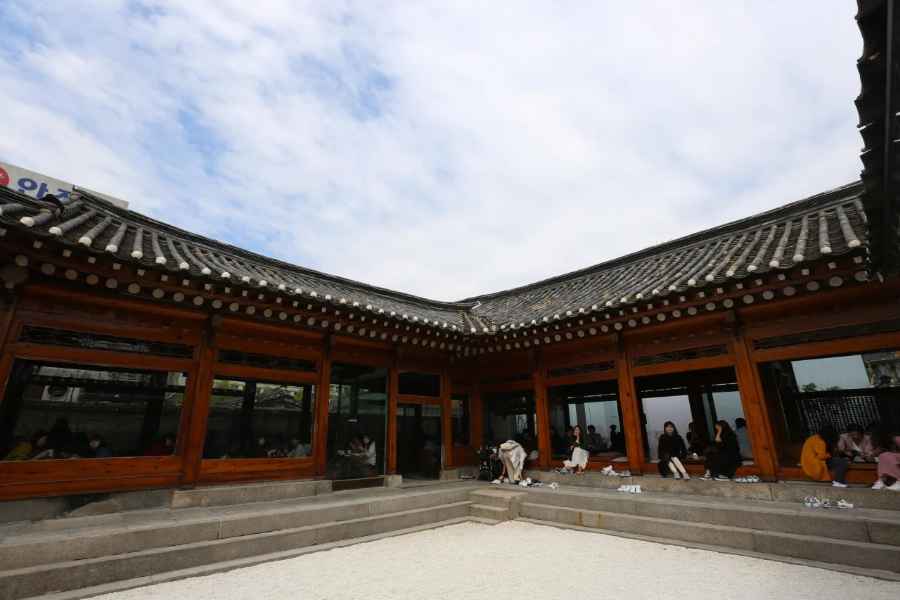
Where the flagship Seongsu location leans into retro-industrial grit, Anguk went the opposite way. They took an actual hanok built in the 1920s and restored it while preserving its daecheongmaru (wooden porch) and madang (courtyard) intact. If Seongsu is often described as giving postwar Korea a second glamorous chance, Anguk is more often described as a blend of traditional and present-day Korea in one space.
The appeal here comes down to pairing traditional hanok architecture with a genuinely current bakery menu. The signature drink is the vanilla bean latte, consistently praised for its balanced sweetness and aroma. But the bread is really what the place is known for.
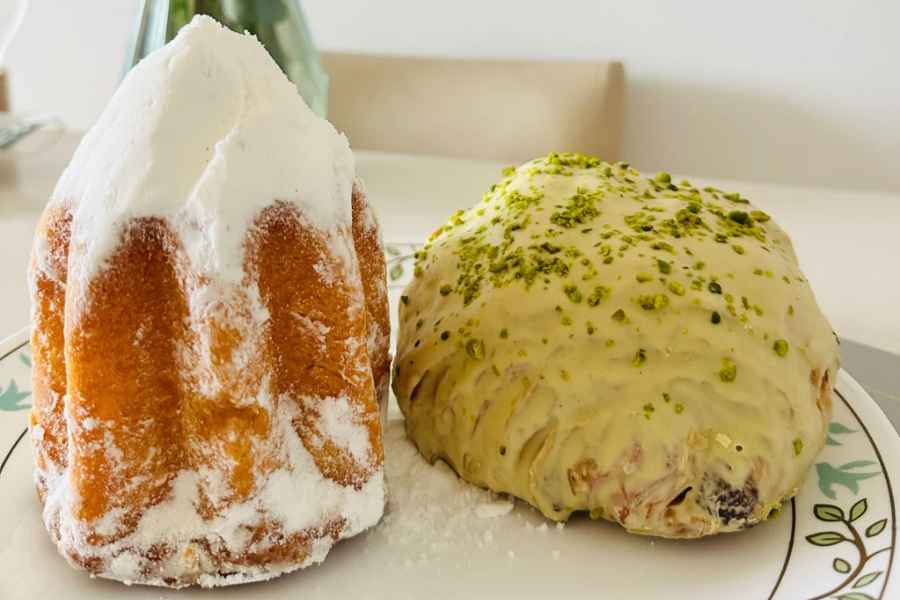
Their take on pandoro — the Italian Christmas cake-bread — scaled down and served two ways, either dusted in powdered sugar or coated in injeolmi (rice cake) powder to look like a snow-capped mountain, is the signature item. Beyond that, they bake a rotating lineup daily, including a garlic-bread-style “garlic roll,” matcha scones, salty butter bread, and a cheese-loaded “ink cheese bread.” An Americano runs about ₩5,500 and a strawberry milk tea about ₩8,500 — a bit above the Seoul cafe average.
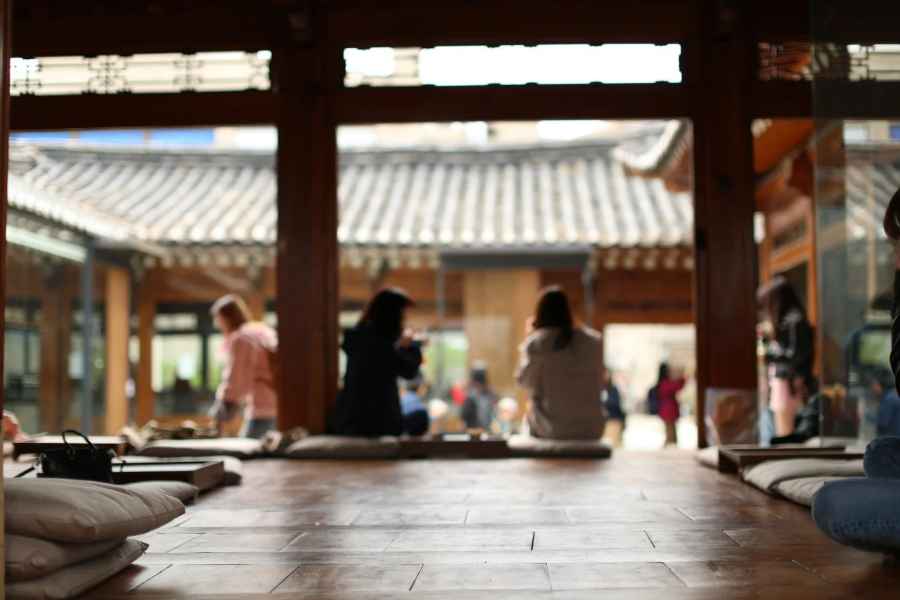
The space itself is part of the draw. Beyond indoor seating, there’s outdoor seating facing the courtyard, so on a nice day you can sit on the wooden porch and take in the old hanok atmosphere while you drink your coffee. The outdoor section is pet-friendly too. That popularity cuts both ways, though — with both tourists and locals drawn here, weekends and afternoons often come with a wait.
- Address: 5 Gyedong-gil, Jongno-gu, Seoul
- Location: About a 5-minute walk from Exit 3 of Anguk Station, and close enough to Gyeongbokgung, Changdeokgung, and Changgyeonggung palaces to fold naturally into a palace-hopping day.
- Visiting tip: Weekday mornings are reportedly quieter. Popular bread items can sell out by afternoon, so if you’re after something specific, an early visit is worth it.
Where the Two Actually Differ
Both fall under the umbrella of “hanok cafe,” but the experience they deliver is quite different.
Concept direction: Seoul Coffee Ikseon is about summoning the past directly — the ’80s and ’90s aesthetic, the barbershop sign, the handwritten-style details, all working together to recreate a specific era. Cafe Onion Anguk instead takes traditional architecture as a foundation and builds today’s bakery culture on top of it — essentially “hanok plus right now.”
Menu character: Ikseon leans into Korean sensibility with bingsu, ice cream, and traditional tea-adjacent desserts. Anguk leans hard into European bakery culture with pandoro, garlic rolls, and scones. If Anguk is more famous for its bread than its coffee, Ikseon puts more weight on drinks and shaved-ice desserts.
Who shows up: Onion as a brand already has serious international name recognition, so Anguk sees a much higher share of foreign tourists — and the lines to match. Ikseon feels more locally rooted, and people tend to wander in as part of an Ikseon-dong alley stroll rather than making it a specific destination, which usually means shorter waits.
Sense of space: Ikseon feels like a cozy, quiet single hanok tucked into an alley. Anguk, with its courtyard included, has a more expansive feel that a lot of visitors find better suited to photos.
A One-Day Route — From Ikseon-dong to Anguk
The two neighborhoods are close enough to walk between, so it’s easy to build a single day around both.
- Morning: Wander the Ikseon-dong hanok streets and start off at Seoul Coffee Ikseon with a black sesame latte or strawberry bingsu
- Late morning to lunch: Browse the shops around Ikseon-dong and grab lunch nearby
- Afternoon: Walk or take a short transit ride to Anguk, then explore around Gyeongbokgung and Changdeokgung
- Afternoon tea: Close out the day at Cafe Onion Anguk with pandoro and a vanilla bean latte

Following this order lets you catch the relatively quiet Ikseon cafe in the morning and hit Anguk in the early afternoon before the crowds peak, keeping wait times to a minimum on both ends.
Frequently Asked Questions
Q. Do either of these cafes require a reservation? No. Both are walk-in cafes. That said, Anguk can have a wait on weekends and in the afternoon, so it’s worth building some buffer time into your visit.
Q. Which one is better for photos? Anguk has the courtyard and wooden porch, which makes for more spacious, scene-setting shots. Ikseon’s cozy interior and small decorative details tend to work better for intimate close-up photos. It really depends on what kind of shot you’re after.
Q. Which one has better coffee? Both get decent reviews, but Anguk is generally seen as stronger on bread while Ikseon stands out more for its desserts (bingsu and ice cream). It’s worth choosing based on the overall experience and dessert pairing rather than coffee alone.
Q. Are there vegetarian or allergy-friendly options? Given how bakery-heavy both menus are, allergens can show up in a lot of different items. If you have a specific allergy, it’s best to ask staff directly at the counter.
Quick Checklist
- Seoul Coffee Ikseon: Opened 2017, 1980s Seoul concept, signature cube ice cream and bingsu, generally less crowded
- Cafe Onion Anguk: Opened 2019, restored 1920s hanok, signature pandoro and vanilla bean latte, higher chance of a wait
- Both are within walking distance of each other, making them easy to pair in one day
- Visit Ikseon in the morning and Anguk in the afternoon to minimize wait times at both
- Choose your priority (spacious shots vs. cozy close-ups) based on what kind of photos you’re after

Seoul’s hanok cafes can look similar from the outside, but visiting these two back to back makes it obvious just how differently they each interpret “tradition.” If you’re chasing nostalgia for old Seoul, Ikseon is the one to reach for. If you want to see tradition meet the current moment head-on, Anguk is the better starting point.
Seoul’s Best-Kept Cocktail Secret. A Seochon Bar Crawl Guide : Bar Cham & Bar Pomme
Gyeongbokgung, Bukchon & Insadong: Seoul’s Most Rewarding Half-Day