In the last post, we explored why Koreans have become so obsessed with exercise — the Ounwan movement, the running crew culture, and the deeper social forces behind it all. But you might still be wondering: “What workouts are actually the most popular in Korea right now?” “Could I try any of these myself?”
This post breaks down the 5 hottest workouts in Korea in 2025–2026 — what makes each one unique, why Koreans love it, and exactly how to get started.
1. Body Profile — A 3-to-6-Month Journey for One Perfect Photo
Korean Body Profile Workout: This Isn’t Just for Celebrities Anymore
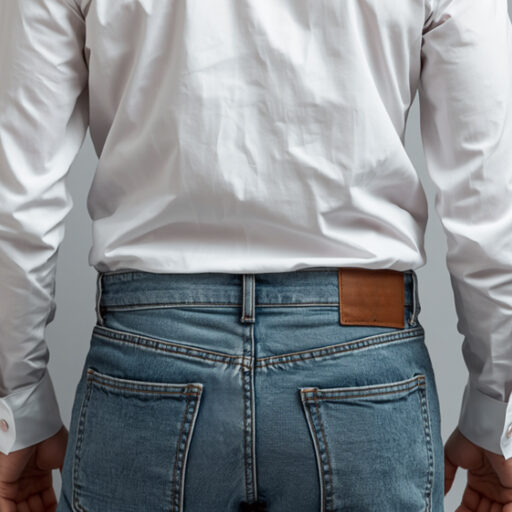
A body profile is a professionally photographed shoot that captures the physique you’ve built through months of training and dieting. It started as something reserved for fitness trainers and entertainers. Now it’s become a full-blown personal project for ordinary Koreans in their 20s and 30s.
The hashtag #바디프로필 (body profile) has surpassed 2 million posts on Instagram alone. Hundreds of YouTube channels document the entire preparation process in real time, week by week.
Why is it so popular? A body profile isn’t really about the photos. The 3-to-6-month training process is the point — it’s the journey of proving something to yourself. The shoot is simply the finish line. The reward for showing up every day.
How does the process work? Sign up for PT (personal training) → Begin structured meal planning → 3–6 months of weight training and cardio → A 2–4 week cutting phase (strict calorie reduction) before the shoot → Professional studio photography.
One important warning. Extreme short-term dieting carries real risks: yo-yo weight gain, hair loss, binge eating episodes, and hormonal disruption have all been reported. Working with a certified trainer and keeping your health — not the photo — as the primary goal is essential. The body profile trend is powerful. But it needs to be approached responsibly.
2. Small-Group Pilates — Too Lonely to Train Alone, Too Intimidated by Big Gyms
Korean Pilates Culture: Why Koreans Can’t Get Enough of Pilates
Korean Pilates studios are nothing like commercial gyms. Classes typically run with just 4 to 8 participants. The instructor moves around the room, correcting each person’s posture and form individually.
Women currently make up 65% of Pilates studio memberships across Korea. But male enrollment is climbing fast — the gender gap is narrowing every year.
What’s driving the popularity? The core-strengthening and spinal alignment benefits are well-documented. The low-impact format means a significantly lower injury risk than weightlifting or high-intensity training. The studio environment itself tends to feel warm and intimate — more like a cozy café than a traditional gym. And because the same small group attends regularly, a natural sense of community forms over time.
What does it cost? In Seoul, a monthly small-group Pilates membership — typically 8 to 12 sessions — runs roughly 200,000 to 350,000 KRW (approximately $150–$265 USD). That’s considerably more affordable than 1-on-1 personal training, while still offering individualized attention.
3. Indoor Climbing (Bouldering) — The Full-Body Workout That Feels Like a Puzzle
Indoor Climbing Korea Trend: Why the MZ Generation Is Taking to the Walls
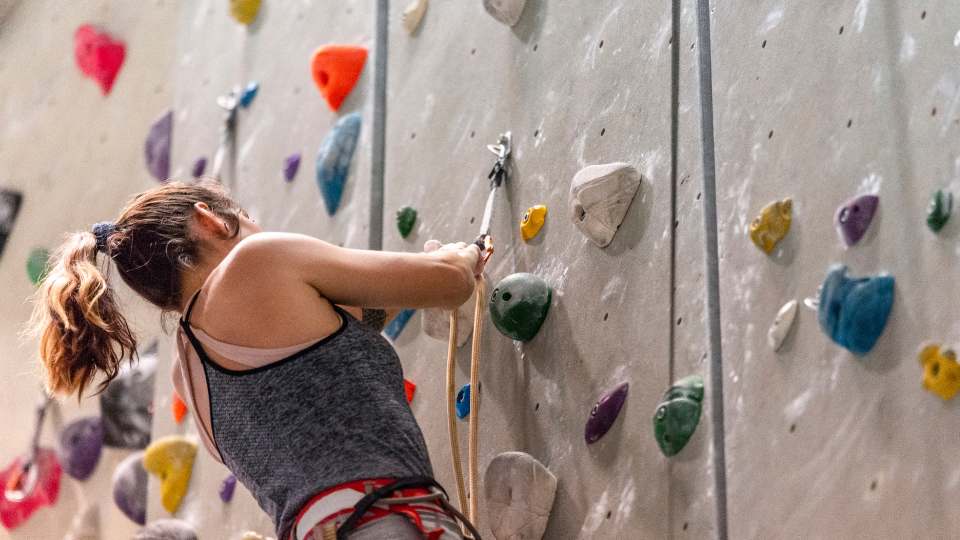
Indoor climbing gyms are opening across Seoul, Busan, Incheon, and virtually every major Korean city. Bouldering in particular — climbing low walls without ropes — has exploded in popularity, thanks to its low equipment barrier and beginner-friendly entry point.
Interest surged even further after sport climbing was included as an official Olympic event at both the Tokyo 2020 and Paris 2024 Games.
Why does this resonate with Korea’s MZ generation? It’s a true full-body workout — arms, legs, core, and even your fingers get a serious challenge. Every route (called a “problem”) requires spatial reasoning and strategy, making it as much a mental workout as a physical one. The colorful climbing walls make for highly photogenic content — and the social media response is consistently strong. For anyone burned out by repetitive gym routines, climbing delivers something genuinely new every single session.
The barrier to entry is remarkably low. Most climbing gyms rent out climbing shoes on-site, and chalk (the anti-slip powder) is typically available as well. You can walk in and start on the same day. Nearly every gym also offers beginner orientation classes for first-timers.
4. Light Hiking — When the Mountain Becomes Your Gym
Korean Light Hiking Culture: Hiking Where the Summit Isn’t the Point
A recent survey found that 66.9% of Korean adults had gone hiking at least once in the past year — placing it firmly among the most widely practiced physical activities in the country. Seoul Economic Daily
But today’s hiking culture looks very different from what it used to be. Summit chasing, personal records, heavy packs, full technical gear — that’s the old version.
Here’s what Korean hiking looks like for the MZ generation right now: Lightweight, aesthetically put-together trail outfits. A stop at a scenic mid-mountain viewpoint for a cup of coffee. No pressure to reach the top. Walking itself is the destination.
Why light hiking? Most Seoul residents can reach a trailhead in 30 to 40 minutes from the city center. Bukhansan, Gwanaksan, and Dobongsan are among the most accessible — all within the city limits. No special equipment is required to start. And hiking through nature offers one of the most effective forms of digital detox available.
It’s a culture that welcomes international visitors, too. Korea’s trails are now attracting a new wave of international visitors, partly inspired by K-pop content — with foreign visitors citing accessible city peaks, variety of trail difficulty levels, and a general sense of safety as major draws. Trail signage at most national parks is available in both Korean and English. The Korea Herald
5. High-Intensity Group Fitness — The Workout You Can Only Survive Together
High-Intensity Group Workout Korea: Too Hard Alone, Surprisingly Doable Together
F45, CrossFit-style, and Orange Theory-format workouts are finding a strong and growing audience in Korea.
The concept is straightforward. In 45 to 60 minutes, you push your entire body through high-intensity interval training. Alone, it feels impossible. With a group around you, something shifts — and you finish.
Why do Koreans love it? The time efficiency is unmatched. Maximum results in minimum time — a major appeal for Korea’s busy working population. Suffering through the same workout together creates a bond that’s hard to replicate elsewhere. The programming changes every session, so boredom is essentially eliminated.
This format is especially popular among working professionals in their late 20s to 40s who want a serious workout but have limited time to spend in the gym.
So — Which One Is Right for You?
Here’s a quick side-by-side comparison to help you decide.
| Workout | Best For | Cost Level | Barrier to Entry |
|---|---|---|---|
| Body Profile | Those with a specific physique goal | High | High (3–6 month commitment) |
| Small-Group Pilates | Core strength, posture correction | Medium | Low |
| Indoor Climbing | Those craving something new | Low–Medium | Low |
| Light Hiking | Nature, recovery, digital detox | Near zero | Very low |
| High-Intensity Group | Short, intense, efficient training | Medium–High | Medium |
Easiest to start today? Light hiking. All you need is a pair of comfortable shoes.
Want the most dramatic physical transformation? The body profile preparation process delivers. Just make sure you’re doing it with professional guidance and your health as the priority.
Want to meet new people and build a community? Small-group Pilates, indoor climbing, and high-intensity group fitness all generate natural social bonds. Any of the three will connect you with like-minded people quickly.
Final Thought — Fitness Is About Starting, Not Being Perfect
Every one of Korea’s hottest workouts shares the same underlying philosophy. Together over alone. Process over outcome. Joy over punishment.
That’s exactly why this culture is spreading well beyond Korea’s borders.
In the next post, we go deeper into the other side of Korean wellness — the mental health practices that keep Koreans grounded in one of the world’s most high-pressure societies. Meong-ttae-ri-gi, Temple Stay, Seon meditation — the inner life of K-Wellness is waiting. Don’t miss Part 3.