A running shoe market worth over $750 million. An estimated 10 million runners nationwide. The numbers speak for themselves. In Korea right now, running is no longer just exercise. But the question most people outside Korea keep asking is this: “Why did so many Koreans suddenly start running?”
This article breaks it all down — from the cultural roots to the real street-level scene.

‘Ounwan’ — The One Word That Changed Korean Fitness Culture
Have you heard the word “Ounwan” (오운완)? It’s a Korean portmanteau of three words: 오늘 (today) + 운동 (workout) + 완료 (completed). Starting around 2022, it exploded across Korean social media.
The ritual is simple. Finish your workout. Post it with #Ounwan. A gym selfie, a smartwatch screenshot, a fitness app completion screen — anything that proves you did it.
It might sound like just another hashtag trend. But the data tells a different story.
According to a Gallup Korea survey, the percentage of Koreans who jog or run regularly jumped from 23% in 2021 to 32% in 2023 — a 9-point rise in just two years. At the same time, the activewear market, protein drink industry, and fitness app downloads all surged in parallel.
Ounwan wasn’t just a hashtag. It became a social mechanism that turned exercise into a daily habit.
Running Crews — The Era of Running Alone Is Over
Korean Running Crew Culture: Why Koreans Run in Groups
If Ounwan built Korea’s individual fitness culture, running crews took it to the next level — turning solo exercise into a full-blown community movement.
A running crew is a small group of people who meet regularly to run together. They connect through apps or social media, then gather weekly at a set route and run as one.
If you walk along Seoul’s Hangang River these days, the scene is impossible to miss. Groups of people in matching outfits, earphones in, moving in sync. After the run, they stretch together, grab coffee, and make plans for the next meetup.
Running crew members tend to say the same thing: “When I run alone, I stop halfway. When I run with the group, I always finish.” “Honestly, I come for the people as much as the running.”
Running in Korea is no longer just about fitness. It’s about belonging, connection, and community.
Korean Fun Run Events 2025 — Bread Runs, Dog Runs, and Theme Races
What makes this culture even more fascinating is the variety of running events now popping up.
Bread Runs (빵빵런) — routes that pass through famous local bakeries, with a pastry reward at the finish. Dog Runs (댕댕런) — participants bring their pets and run together. Disney Run Seoul 2025 — runners dress as Disney characters and race through the city.
The focus has completely shifted from personal records to personal experiences. Korea has fully embraced “Fun Run” culture — where joy matters more than pace.
Running Isn’t Everything — A Map of Korea’s Fitness Trends
Korean fitness culture is wide, fast-moving, and constantly evolving. Here’s what’s happening beyond the running tracks.
Pilates & Yoga Women make up 65% of studio memberships — a sign of just how mainstream these have become. Rather than one-on-one personal training, small-group classes are now the preferred format. Lower prices have made Pilates accessible to Koreans in their 20s for the first time.
Sport Climbing Indoor climbing gyms have opened up across the country at a remarkable pace. Among the MZ generation (Millennials and Gen Z), it’s become the go-to “proof-of-workout” sport — photogenic, challenging, and social. It works the entire body while functioning like a puzzle, which means it never gets boring.
Light Hiking Mountain hiking is still hugely popular in Korea. But the goal has changed. It’s no longer about conquering the summit. It’s evolved into light hiking — focused on scenic views, fresh air, and mental recovery.
F45 & CrossFit High-intensity group fitness programs are gaining serious traction. The appeal isn’t just the workout — it’s the bond formed through shared struggle. These are community-driven spaces as much as fitness ones.
The 2026 trend is clear: Working out together beats working out alone. Experiences beat sweat.
It’s Not Just the Body — How Koreans Take Care of Their Mental Health
Meong-ttae-ri-gi — The Korean Art of Doing Absolutely Nothing
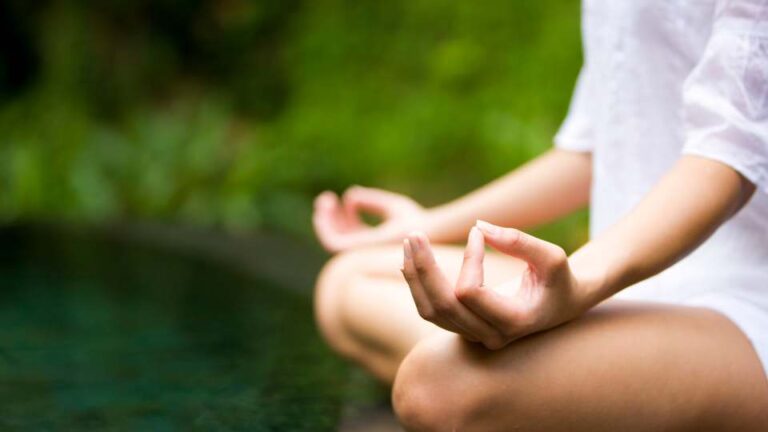
Korea has one of the most unique mental wellness practices you’ll find anywhere. It’s called meong-ttae-ri-gi (멍때리기) — and it literally means “zoning out.”
Sitting still. Emptying your mind. Staring into the distance with no particular thought. It sounds almost too simple to be meaningful. But in Korea, it has evolved into a genuine cultural movement.
Every year in Seoul, the Hangang River Zoning-Out Competition (한강 멍때리기 대회) is held. Participants sit by the Han River for 90 minutes and do absolutely nothing. The winner is determined by whose heart rate stays the most stable throughout.
This event says something profound about modern Korean society. When doing nothing becomes a competitive event, it tells you just how rare — and precious — the ability to rest has become.
Temple Stay Korea — Finding Inner Peace at a Buddhist Monastery
Temple Stay is an official cultural program where visitors stay at traditional Korean Buddhist temples, typically for one to two nights.
Operated by the Cultural Corps of Korean Buddhism, it runs at more than 130 temples across the country.
The experience includes early morning Buddhist ceremonies, Zen meditation (참선), 108 prostrations, communal temple meals (발우공양), and quiet tea conversations with monks.
A day or two inside this program delivers something rare in modern life: a true digital detox and a genuine reset for the mind.
In May 2025, Korean temple food (sachal eumsik) was officially designated as a National Intangible Cultural Heritage. The cuisine — plant-based, free of the five pungent vegetables, naturally fermented — is not just a meal. Each bite is itself an act of mindfulness.
And this isn’t only for Koreans. International visitors are joining in growing numbers, and English-language programs are available at many temples.
Why the World Is Paying Attention to K-Wellness Right Now
Korean health culture stands apart for three reasons.
1. Community at the core. Whether it’s a running crew, a small-group Pilates class, or a Temple Stay program — Koreans rarely pursue wellness alone.
2. A culture of recording and sharing. Ounwan is the perfect example. Sharing your workout publicly creates accountability and motivation. Smartwatches, fitness apps, and health-focused social content are woven into daily life.
3. The fusion of tradition and modernity. Centuries-old Buddhist meditation is being reinterpreted as modern wellness. Zen meditation apps, redesigned Temple Stay experiences, and temple cuisine restaurants now exist side by side.
These three forces combined are what’s creating a new global trend: K-Wellness.
Ready to Try It Yourself?
Korea’s fitness culture didn’t appear overnight. It’s the result of deep cultural roots meeting a modern community spirit — and it’s still evolving.
What’s especially powerful is that this culture isn’t staying inside Korea. K-culture fans around the world are already joining Ounwan challenges, building their own running crews, and traveling to Korea specifically to experience Temple Stay.
In the next post in this series, we’ll go deeper — breaking down the Top 5 hottest workouts in Korea right now and showing you exactly how to try each one, whether you’re in Seoul or anywhere else in the world.
Don’t want to miss it? Bookmark this page now.