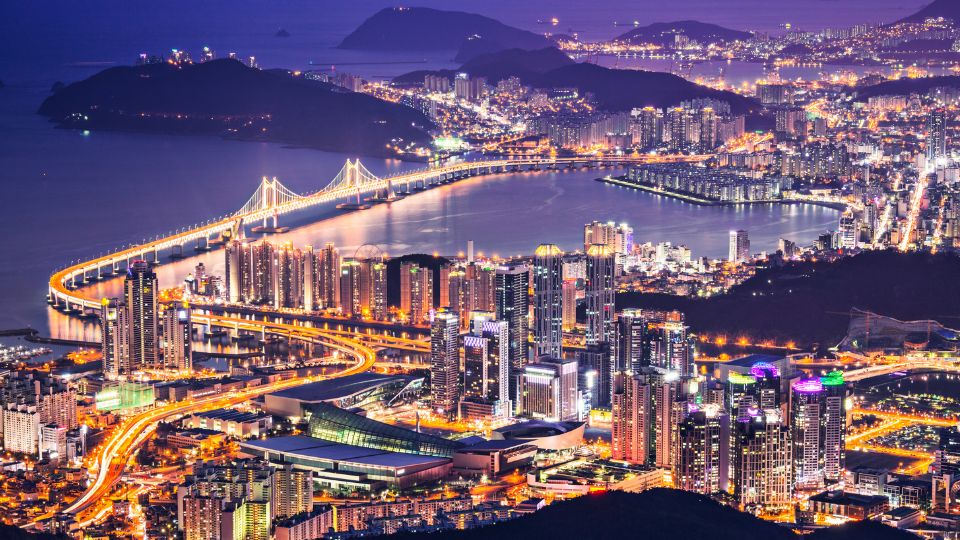
South Korea isn’t just a destination anymore — it’s a cultural obsession. From the palace-lined streets of Seoul to the volcanic beaches of Jeju Island, Korea packs centuries of history, world-class food, and a neon-lit modern energy into one compact country. And in 2026, more travelers are discovering it than ever before.
Whether you’re planning your first trip or finally making that K-drama pilgrimage you’ve dreamed about, this guide covers everything you need to know — from visas and budgets to transport cards and tipping etiquette. Bookmark it. You’ll need it.
1. Do You Need a Visa?
Good news for most Western travelers: South Korea is one of the easiest countries to enter without a visa. Citizens of over 60 countries — including the US, UK, Canada, Australia, and most of Europe — can enter visa-free for stays up to 90 days for tourism or business.
K-ETA: The 2026 Update You Need to Know
The Korean Electronic Travel Authorization (K-ETA) — a pre-travel authorization similar to the US ESTA — was temporarily suspended for many nationalities, and that exemption has been extended through December 31, 2026 for US passport holders and many other nationalities.
If you hold a US passport, you do NOT need to apply for a K-ETA before traveling to South Korea through the end of 2026. Simply show up with your passport.
Starting January 1, 2027, K-ETA will likely be required again. If you’re planning a trip straddling that date, check the official Korea Immigration Service website for the latest.
Emergency contacts in Korea:
- Police: 112
- Ambulance, Fire: 119
- Korea Travel Hotline (English available): 1330
2. Best Time to Visit Korea
Spring (March – May) – Best overall
Cherry blossoms transform Seoul into a pink wonderland from late March through mid-April. Temperatures are mild (10–20°C / 50–68°F), crowds are manageable outside blossom peak, and the food festival scene is alive. This is peak season — book accommodation early.
Summer (June – August)
Hot, humid, and rainy — the monsoon season (jangma) hits in late June and lasts through July. August is brutally hot. That said, summer brings vibrant festivals and the beaches of Busan come alive. If you’re heat-tolerant and budget-savvy, shoulder-summer prices can be surprisingly good.
Autumn (September – November) – Runner-up best
Crisp air, golden foliage, and some of Korea’s biggest festivals. Temperatures are perfect for hiking the national parks. October is arguably Korea’s most beautiful month.
Winter (December – February)
Cold (often below freezing in Seoul) but magical. Snow dusts the palaces, ski resorts in the mountains are in full swing, and Christmas in Korea is surprisingly festive. Far fewer crowds at major sites.
Visit in spring (April) or autumn (October) if you can. Avoid the first two weeks of the Lunar New Year (usually January or February) and Chuseok (September or October) — these are national holidays when millions travel domestically and many businesses close.
3. How to Get to Korea
Flying In
The main international gateway is Incheon International Airport (ICN), consistently ranked among the world’s best airports. It’s located about 70 km west of central Seoul. A second, smaller airport — Gimpo (GMP) — handles mostly domestic flights and some routes from Japan and China.
Top direct routes:
- From North America: Korean Air, Asiana, and Delta offer direct flights from LA, New York, and other major hubs (10–13 hours)
- From Europe: Approximately 10–12 hours from most major cities; Korean Air flies direct from Paris, London, and Frankfurt
- From Southeast Asia: 4–7 hours from most hubs; budget carriers like AirAsia and Scoot cover many routes
From Incheon Airport to Seoul
Once you land, you have four options:
1. AREX (Airport Express Train) — The fastest and most popular option. The express train takes just 43 minutes to Seoul Station for around 9,000 KRW (~$7 USD). The all-stop train is slightly cheaper and slower, stopping at Hongdae, Yeouido, and other key neighborhoods.
2. Airport Limousine Bus — Convenient if your hotel is far from the subway. Buses go directly to most major districts (Gangnam, Myeongdong, Hongdae) and cost 9,000–17,000 KRW. Journey time is 60–90 minutes depending on traffic.
3. Taxi — Regular taxis to central Seoul cost 70,000–90,000 KRW ($50–65 USD). Book via the KakaoT app or use the designated taxi queue outside arrivals. Kakao Taxi now supports most international payment cards.
4. Private Transfer — The most stress-free option if you have lots of luggage or are arriving late at night. Book in advance for a flat rate.
4. Getting Around Korea
The T-Money Card: Your Korean Travel Essential
The first thing to do when you arrive is get a T-Money card. This rechargeable transit card works on:
- All Seoul subways and buses
- Buses and subways in most other Korean cities
- Taxis (tap to pay instead of using cash)
- Some convenience stores
Pick one up at the airport (7-Eleven, GS25, or CU convenience stores) for about 3,000 KRW, then top it up at any subway station or convenience store. No fumbling for exact change — just tap and go.
2026 : The WOWPASS card is a newer option that combines T-Money transit functions with a debit card usable at ATMs and stores across Korea. Useful if you want one card for everything.
Seoul Subway
Seoul’s metro system is a masterpiece — extensive, clean, fast, and almost entirely signposted in English. It covers all major tourist areas across 9 lines. A single journey costs 1,400–1,800 KRW depending on distance.
Useful apps for navigation:
- Citymapper (English, very intuitive)
- Kakao Map (Korean-first but excellent outside Seoul)
- Naver Map (the local standard; more reliable than Google Maps in Korea)
Google Maps is unreliable in South Korea for transit and driving directions due to local data restrictions. Use Kakao Map or Naver Map instead.
KTX: Korea’s High-Speed Train
For traveling between cities — Seoul to Busan, Seoul to Gyeongju — the KTX bullet train is the best option. Seoul to Busan takes just 2.5 hours at speeds up to 300 km/h. Book tickets in advance via the Korail app (available in English) or at any major station.
Taxis
Taxis are abundant, metered, and generally affordable. Use the Kakao T app to hail a taxi without language barriers — the app supports English and accepts most international cards. The K.ride app is another tourist-friendly option. Base fare starts around 4,800 KRW.
5. Where to Stay in Seoul
Seoul has distinct neighborhoods, each with its own vibe. Where you stay shapes your entire trip. Here’s a quick rundown:
Myeongdong — Best for First-Timers
Central, well-connected, packed with shopping, food stalls, and K-beauty stores. Pricier than other areas but supremely convenient. Walking distance to Gyeongbokgung Palace and Namdaemun Market.
Hongdae — Best for Young Travelers & Culture
Home to Hongik University, this neighborhood never sleeps. Street art, live music, indie cafés, nightlife, and some of the best street food in Seoul. Great subway connections and slightly more affordable than Myeongdong.
Gangnam — Best for Shopping & Business
Made famous by that song, Gangnam is Seoul’s sleek, upscale south side. COEX Mall, luxury shopping, excellent restaurants. Best for travelers who want a more polished, modern Seoul experience.
Insadong / Bukchon — Best for Culture Lovers
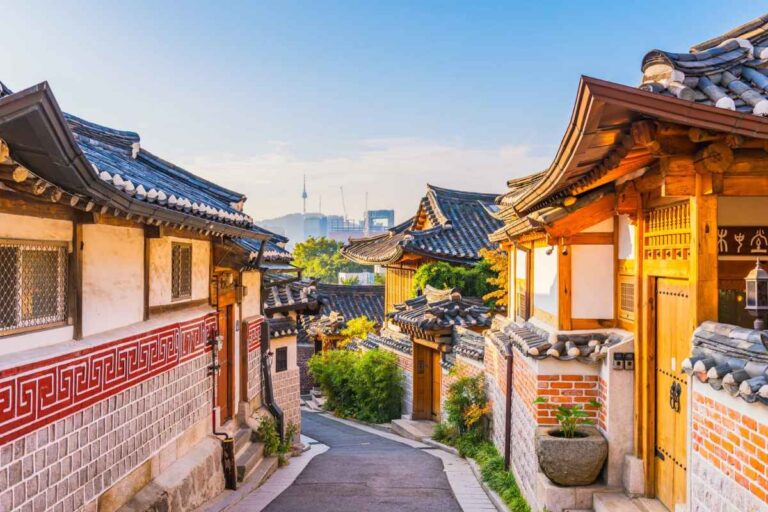
Traditional tea houses, craft shops, and the famous Bukchon Hanok Village. If you want to experience old Seoul alongside the new, this is your neighborhood. Quieter at night but central by day.
Itaewon — Best for Diversity & Nightlife
Seoul’s most international neighborhood with restaurants from almost every cuisine, a lively bar scene, and a cosmopolitan energy. Very walkable and just one stop from the major Han River parks.
6. How Much Does Korea Cost?
Korea sits in that sweet spot: cheaper than Japan or Western Europe, more comfortable than Southeast Asia. Here’s a realistic budget breakdown:
Budget Traveler (~$40–60 USD/day)
- Dorm bed in a guesthouse or hostel: $15–25/night
- Meals from convenience stores and street stalls: $3–7 per meal
- Subway and bus for all transport: $3–5/day
- Free attractions (palaces have free or low-cost entry, parks are free)
Mid-Range (~$80–150 USD/day)
- Private room in a guesthouse or mid-range hotel: $40–80/night
- Sit-down Korean restaurant meals: $8–15 per meal
- Mix of subway and occasional taxi: $5–10/day
- Entry fees and experiences: $10–20/day
Comfortable (~$200+ USD/day)
- Boutique hotel or design hotel in Gangnam or Myeongdong: $100–200/night
- Upscale Korean BBQ, omakase, or fine dining: $30–80 per meal
- Taxis and private drivers: varies
Key Money Tips
- Tax refund: Korea has an excellent tourist tax refund system. Since 2025, the refund limits were doubled — you can now reclaim tax on purchases up to 5,000,000 KRW per trip (about $3,600 USD), with up to 1,000,000 KRW per transaction. Look for “Tax Free” logos at shops and ask the cashier.
- Cash vs card: Cards are accepted almost everywhere in Seoul in 2026, including Apple Pay at most locations. But keep some cash for street food stalls, local markets, and topping up your T-Money card.
- ATMs: Global ATMs are found at most convenience stores (GS25, CU, 7-Eleven). They accept Visa, Mastercard, and most international cards with reasonable fees.
7. Korean Food: What to Eat First
Korean food might be the best reason to visit. It’s bold, fermented, spicy, communal, and endlessly varied. Here are the dishes to prioritize:
The Essentials
Bibimbap (비빔밥) — Korea’s most iconic rice dish. A stone bowl filled with rice, seasoned vegetables, a fried egg, and gochujang (chili paste). Mix everything together and eat immediately while the bottom crisps up.
Korean BBQ (바베큐) — Grilling your own meat at the table is both a meal and a ritual. Order samgyeopsal (pork belly) or galbi (beef short ribs), wrap them in lettuce with garlic and fermented soybean paste, and eat in one bite. Never let the grill go empty.
Ramyeon (라면) at a Convenience Store — A uniquely Korean experience. At any GS25 or CU, pick a packet ramyeon, use the in-store pot of boiling water, add an egg and some kimchi from the fridge, and eat standing at the counter. Perfect at 2am.
Tteokbokki (떡볶이) — Chewy rice cakes smothered in spicy gochujang sauce, served from street stalls everywhere. Addictive and cheap (3,000–5,000 KRW per portion).
Kimbap (김밥) — Korea’s answer to the sushi roll — seaweed and rice stuffed with vegetables, egg, and meat. Grab one from a convenience store for under $2 for a perfect on-the-go meal.
Doenjang Jjigae (된장찌개) — A deeply savory fermented soybean paste stew, typically served as a set meal (백반, baekban) with rice and a spread of small side dishes called banchan. The ultimate everyday Korean meal.
Where to Eat
- Street food markets: Gwangjang Market (Seoul’s oldest), Myeongdong outdoor stalls, Tongin Market
- Convenience stores (편의점): GS25, CU, and 7-Eleven punch above their weight — ready meals, ramyeon, kimbap, and coffee rival many restaurants
- Local restaurant alleys (골목): Look for spots with handwritten Korean menus and plastic stools. If it’s packed with locals at lunch, it’s good.
8. Top Things to Do in Korea
Seoul
Gyeongbokgung Palace — The crown jewel of Joseon Dynasty palaces. Arrive at 10am or 2pm to watch the guard-changing ceremony in full historical costume. Entry is free if you wear hanbok (traditional clothing) — rentals are available just outside the main gate for 15,000–20,000 KRW.
Bukchon Hanok Village — A maze of preserved traditional Korean houses (hanok) perched between two palaces. Best visited on weekday mornings to avoid the heaviest crowds. Many houses are private residences — be respectful and keep noise down.
N Seoul Tower — The city’s most recognizable landmark, sitting atop Namsan Mountain. Take the cable car up or hike the 20-minute trail. The view at sunset over Seoul’s vast skyline is worth every minute.
Hongdae Street — If you want to understand modern Korean youth culture, spend an afternoon and evening here. Free performances, pop-up art installations, and the best people-watching in the city.
Han River Parks — Seoul’s locals flock to the Han River to cycle, eat convenience store chicken and beer on a picnic mat, and watch the Banpo Bridge Rainbow Fountain show at night. It’s free, it’s fun, and it’s quintessentially Korean.
Beyond Seoul
Busan — Korea’s second city is worth 2–3 days. Haeundae Beach, Gamcheon Culture Village (a rainbow-painted hillside neighborhood), and Jagalchi Fish Market are the highlights. The night view from Oryukdo Skywalk is dramatic.
Gyeongju — The ancient capital of the Silla Kingdom is an open-air museum. Royal tombs, temples, and the UNESCO-listed Bulguksa Temple are all within easy reach. A day trip from Busan or an overnight from Seoul.
Jeju Island — Korea’s Bali. A volcanic island with lava tube caves, waterfalls, orange orchards, and dramatic coastal cliffs. Best reached by flight (1 hour from Seoul). Rent a car to explore freely.
DMZ (Demilitarized Zone) — The heavily fortified border between South and North Korea is one of the most sobering and fascinating places on earth. Tours depart daily from Seoul and include the Joint Security Area (JSA) where the two Koreas face each other across a painted line.
9. Korean Culture & Etiquette
Korea has a rich set of social norms that are worth understanding before you arrive. You won’t be expected to know them all — Koreans are extraordinarily welcoming to foreign visitors — but a little knowledge goes a long way.
The Basics
Shoes off indoors — If you visit a traditional restaurant with floor seating, a temple, or someone’s home, always remove your shoes at the entrance. Look for a step up at the doorway as your cue.
Two hands when giving or receiving — Handing something to an elder or a shopkeeper with one hand is considered slightly rude. Use both hands, or support your right arm with your left hand. This applies to business cards, gifts, and money.
Age matters — Korea’s social hierarchy is partly organized by age. When you meet someone, you may be asked your age — this isn’t rude, it’s how Koreans calibrate how formally to speak to each other. Answer honestly and feel free to ask back.
Be quiet on public transport — Korean subway and bus culture values silence. Keep phone calls short or step out of the carriage. Music from phone speakers is considered very rude.
Tipping is not expected — Unlike in North America, tipping is not standard practice in Korea. At restaurants, hotels, and taxis, paying the bill is enough. Some higher-end hospitality settings may have tip jars but it’s entirely optional.
Pouring drinks — In a group setting, don’t pour your own drink. Pour for others, and they’ll pour for you. If your glass is empty and no one notices, it’s fine to pour for others first — they’ll return the gesture.
10. Practical Tips for 2026
Stay Connected
eSIM — The easiest option. Before your flight, purchase a Korean eSIM from Airalo, Klook, or your carrier’s roaming partner. Data-only plans for 10 days cost around $15–25 USD. Works the moment you land.
Physical SIM card — Available at the airport arrival hall (SK Telecom, KT, and LG U+ all have booths). A 10-day unlimited data SIM costs around 20,000–30,000 KRW (~$15–22 USD). Requires an unlocked phone.
Portable WiFi router — Good for groups or families. Rent at the airport desk and return at departure. Typically $5–8/day.
Essential Apps to Download Before You Arrive
| App | What it’s for |
|---|---|
| Kakao Map / Naver Map | Navigation (better than Google Maps in Korea) |
| Citymapper | Subway and bus directions in English |
| KakaoT | Taxis with English support |
| Korail | KTX train tickets (English version available) |
| Papago | Best translation app for Korean (by Naver) |
| Baemin | Food delivery (surprisingly useful if your hotel has a kitchen) |
Safety
South Korea is one of the safest countries in the world for tourists. Violent crime against visitors is extremely rare. You can walk alone at night in most neighborhoods without concern. Standard travel awareness applies — watch your bags in crowded markets and avoid excessive intoxication in busy nightlife areas like Hongdae and Itaewon on weekends.
The US State Department currently rates South Korea as Level 1: Exercise Normal Precautions — the safest rating given.
Language
Basic English is widely understood in Seoul, especially in tourist areas, hotels, and chain restaurants. Menus in English are common at most tourist-facing businesses. Outside Seoul (and in older, local-only restaurants), English may be very limited.
Three Korean phrases worth learning:
- 감사합니다 (gamsahamnida) — Thank you
- 얼마예요? (eolmayeyo?) — How much is it?
- 영어 메뉴 있어요? (yeongeo menyu isseoyo?) — Do you have an English menu?
Hangeul, the Korean alphabet, can be learned in a few hours and allows you to sound out signs, menus, and station names — even without knowing what the words mean.
Electricity & Adapters
Korea uses Type C and F plugs (the round two-pin European style), running at 220V/60Hz. US and UK travelers will need a plug adapter. Voltage converters are generally not needed for modern electronics, but check your device’s power label to confirm.
Before you leave:
- Check visa/K-ETA requirements for your passport
- Download Kakao Map, Citymapper, Papago, and KakaoT
- Purchase a Korean eSIM or arrange SIM card pickup
- Notify your bank of travel dates
- Pack a plug adapter (Type C/F)
- Bring comfortable walking shoes — Seoul is very hilly
On arrival at Incheon:
- Pick up your SIM card (if not using eSIM)
- Get a T-Money card at the 7-Eleven in arrivals
- Withdraw some Korean Won from an airport ATM
- Board AREX to Seoul Station or your airport limousine bus
Frequently Asked Questions
Is Korea safe for solo female travelers? Yes — South Korea is consistently ranked among the safest countries for solo female travelers globally. The subway system runs until 1am, taxis are metered and regulated, and the general public is helpful to lost-looking visitors.
How much cash should I bring? Around 50,000–100,000 KRW ($35–70 USD) in cash is enough for the first day. Cards and Apple Pay are widely accepted in 2026, but you’ll need cash for T-Money top-ups, street food, and smaller markets. ATMs at GS25 and CU convenience stores accept international cards reliably.
Can I get by without speaking Korean? Absolutely. Seoul is very tourist-friendly with extensive English signage. The Papago translation app handles real-time camera translation of menus and signs. Outside Seoul, a translation app becomes more essential.
How many days do I need in Korea? Seven to ten days is ideal for a first visit: 5 days in Seoul, 2 days in Busan, and 1–2 days in either Gyeongju or Jeju. Five days in Seoul alone is enough for the major highlights if your time is limited.
Is Korea expensive? Compared to Japan or Western Europe, no. Mid-range travelers can comfortably eat well, stay in a decent hotel, and see the sights on $80–120 USD/day. Budget travelers can do Seoul on $40–60 USD/day with convenience store meals and a guesthouse bed.