At 205 Allen Street in Lower Manhattan, there’s a restaurant with a Korean-only sign out front. It’s called Kisa. The name in Korean is gisa sikdang. A single meal costs $32, reservations are barely available, and the line outside grows every day anyway. The New York Times and Eater both named it one of the best new restaurants in America in 2024. And yet, when foreign travelers actually visit Korea, most have no idea what a gisa sikdang is or how to use one.
The same food New Yorkers wait in line for often goes completely unnoticed by visitors walking through Korean streets. Today we’ll take a close look at what makes Kisa in New York special, then walk through exactly how to use a real gisa sikdang once you’re in Korea.
The Korean ‘Driver’s Diner’ That Took Over a New York Block
Kisa opened on April 20, 2024. Its founders, led by president Yoon Jun-woo, are all Korean. They had already run a restaurant called C as in Charlie, which earned a Michelin Bib Gourmand, so the food world was watching from day one.
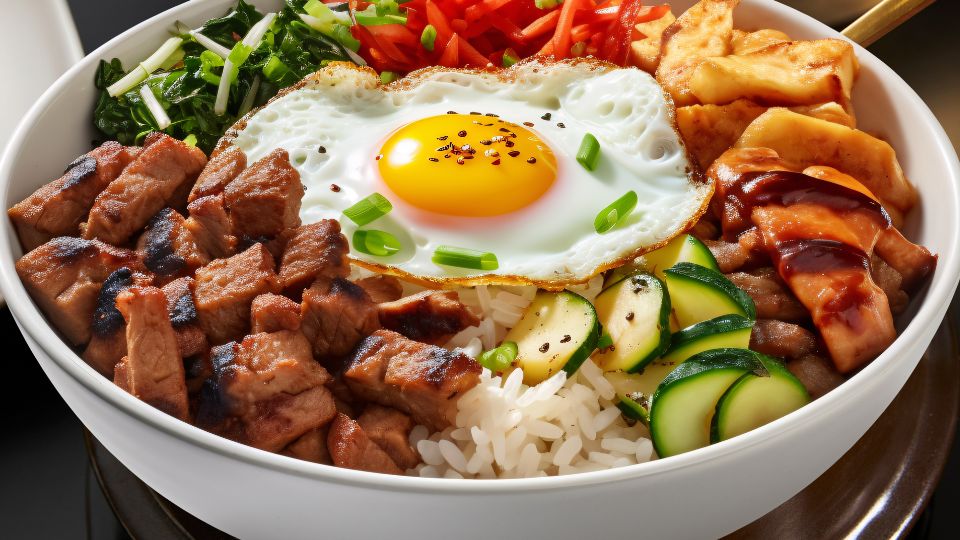
The menu is deliberately small. You pick one of four mains, bulgogi, spicy pork, stir-fried squid, or bibimbap, and that’s the only decision you have to make. Each comes with rice, soup, and roughly seven side dishes (banchan) that rotate with the seasons. The short menu and the ever-changing banchan are really the whole concept. A set meal runs $32, about 44,000 won. That sounds steep by Korean standards, but against New York’s restaurant prices, it’s widely considered a genuinely good deal.
The interior does a lot of the storytelling. Old CRT televisions mounted near the ceiling play vintage Korean broadcasts, and a bank calendar hangs on the wall, the kind you’d find taped up in an actual Korean diner decades ago. After the meal, there’s a coin-style coffee dispenser, a detail that’s become one of the most talked-about parts of the experience on social media. It’s a faithful recreation of scenes that used to be common at Korean gisa sikdangs.
More recently, word spread that Kisa’s chef appeared on Netflix’s “Culinary Class Wars,” which sent a fresh wave of attention back toward the restaurant, this time from Korea itself.
So What Is a Gisa Sikdang, Really
The Korean gisa sikdang first appeared between the 1960s and 1980s, built specifically for taxi, bus, and truck drivers. Drivers rarely had time for bathroom breaks, so they leaned toward rice-based dishes over soups, and because they usually ate alone and in a hurry, single-portion meals became the norm. That’s still the defining trait today.
Most Korean restaurants require a minimum of two servings for many dishes, but at a gisa sikdang, eating solo raises zero eyebrows. These diners tend to sit near the start or end of bus routes or close to logistics hubs, and you can usually spot one by the traffic cones or empty water jugs lined up out front, marking reserved parking spots for drivers.
The signature dish is dwaeji bulbaek, marinated grilled pork wrapped in lettuce leaves with garlic, kimchi, peppers, and ssamjang. Beyond that, menus vary widely, from pork cutlet to stir-fried squid to raw fish rice bowls, depending on the shop. Prices differ by region but tend to hover around 10,000 won. In Seoul, Gamnamujib Gisa Sikdang in Yeonnam-dong became famous after appearing on the variety show Infinite Challenge, and now draws a line at every mealtime.
Kisa in New York vs. a Real Korean Gisa Sikdang
| division | Kisa (New York) | Traditional Korean Gisa Sikdang |
|---|---|---|
| Started | April 2024 | 1960s–1980s |
| Main customers | Korean food fans, general public | Taxi, bus, and truck drivers |
| Price range | $32 per person (~44,000 won) | Around 10,000 won (varies by region) |
| Menu | 4 fixed options: bulgogi, spicy pork, stir-fried squid, bibimbap | Dwaeji bulbaek, pork cutlet, raw fish rice bowl, and more, varies by shop |
| Reservations | Mostly walk-in, limited online booking | Not needed, order on arrival |
| Hours | Lunch Wed–Sun, dinner daily | Early morning to late night, some open 24 hours |
| Signature touch | Retro interior, coin coffee dispenser | Traffic cones and water jugs marking parking |
Kisa recreates the mood and feeling of a gisa sikdang. A real Korean gisa sikdang is still part of everyday life, where drivers and neighborhood office workers actually go to eat. If you’ve experienced Kisa in New York, the real version in Korea is worth seeking out, too.
How Foreign Travelers Can Actually Use a Gisa Sikdang in Korea
Finding one
Search “기사식당” on Naver Map or Kakao Map and locations near you will pop up immediately. They tend to cluster near bus terminals, markets, or major roads. If the signage looks plain and a bit worn rather than polished, that’s usually a good sign. Traffic cones or empty water jugs lined up out front are nearly a confirmation.
Ordering
Most of these places have no English menu. Pointing at a photo on the wall or the menu board and saying “this one, please” works fine. A translation app like Papago with camera input can scan and translate the menu on the spot. Since single-portion ordering is standard, solo travelers can order without any awkwardness.
Payment and etiquette
Card payment is widely accepted in Seoul, but smaller gisa sikdangs in rural areas may be cash-only, so it’s worth carrying some won just in case. Tables turn over quickly, so lingering long after finishing your meal isn’t typical etiquette here.
Worth seeking out
In Seoul, Gamnamujib Gisa Sikdang in Yeonnam-dong is easy to reach and well known. If you’re in Busan, look into the “Taxchelin Guide,” a seasonal festival guidebook where veteran taxi drivers recommend their own favorite spots, a Michelin-style list built entirely on local driver knowledge, useful for finding places tourists rarely stumble onto.
The same dish New Yorkers pay $32 and wait in line for can be enjoyed in Korea for around 10,000 won, in a setting that feels far more local. Build a gisa sikdang stop into your next Korea itinerary. It starts with one simple search, “기사식당,” on Naver Map. In the next post, we’ll compare five gisa sikdangs in Seoul that are especially easy for foreign visitors to navigate.