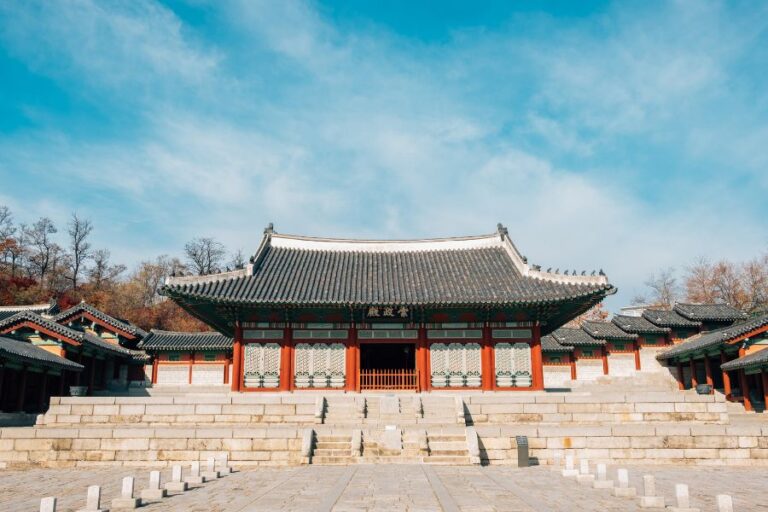

Seoul is home to five royal palaces from the Joseon Dynasty. But here’s the bottom line: you don’t need to see all five. Each palace has a completely different personality, so picking just one or two that match your travel style will give you a far more satisfying experience than rushing through all of them.
In this guide, I’ll break down Gyeongbokgung, Changdeokgung, Deoksugung, Changgyeonggung, and Gyeonghuigung from a local’s perspective, and help you figure out exactly which palace fits your trip.
Seoul’s 5 Grand Palaces at a Glance
- Gyeongbokgung — The main royal palace of Joseon, the largest and most iconic. Best for first-time visitors.
- Changdeokgung — A UNESCO World Heritage Site known for its harmony with nature. Best for garden lovers.
- Deoksugung — Where tradition meets modern history, famous for its stone wall walking path. Best for photographers.
- Changgyeonggung — A quieter palace with fewer crowds. Best for a relaxed, leisurely walk.
- Gyeonghuigung — Free admission and the most peaceful of the five. Best for budget travelers.
Gyeongbokgung: Joseon’s Main Palace — The Perfect Starting Point
What It Is
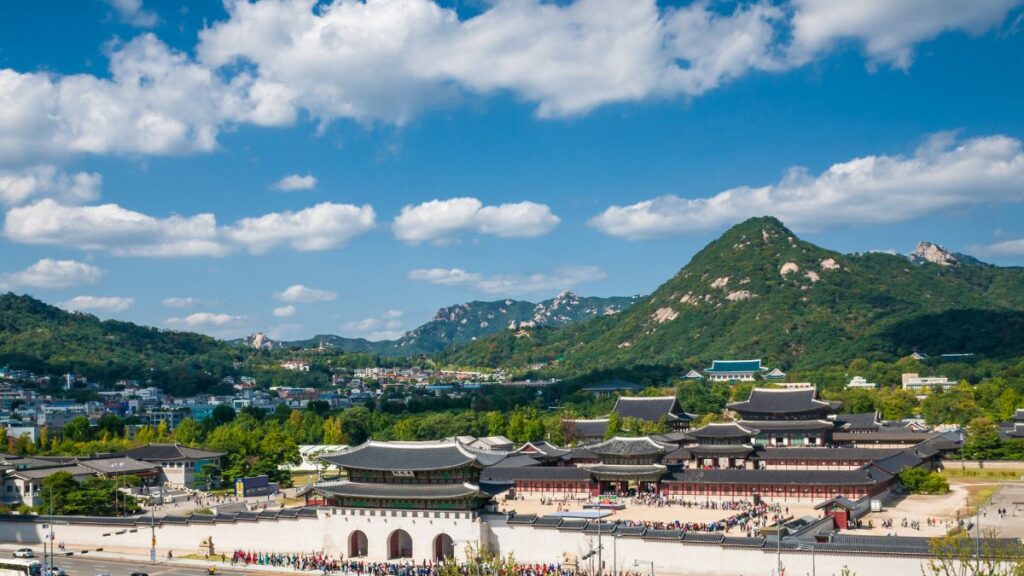
Gyeongbokgung was built in 1395, just three years after the founding of the Joseon Dynasty, and stood at the very center of old Hanyang (Seoul) as the dynasty’s primary royal palace. The name, meaning “Palace Greatly Blessed,” was given by the founding minister Jeong Do-jeon, who wished for the new dynasty to enjoy great prosperity. It’s the largest of the five palaces, so if this is your first palace visit in Korea, start here.
What Not to Miss
Geunjeongjeon Hall, National Treasure No. 223, was the throne hall where royal coronations and major state events took place. Right beside it, Gyeonghoeru Pavilion is so iconic it once appeared on the old 5,000-won banknote. Don’t miss the Royal Guard Changing Ceremony, held at set times throughout the day.
Insider Tip
Gyeongbokgung is closed every Tuesday — a different day from the other four palaces. If you’re in Seoul on a Tuesday, swap Gyeongbokgung out for Changdeokgung or Deoksugung and save it for another day; it’ll make your itinerary much more efficient. Seasonal night-time special viewings are also worth booking in advance if the dates line up with your trip.
Changdeokgung: Where UNESCO-Recognized Architecture Meets Nature
What It Is
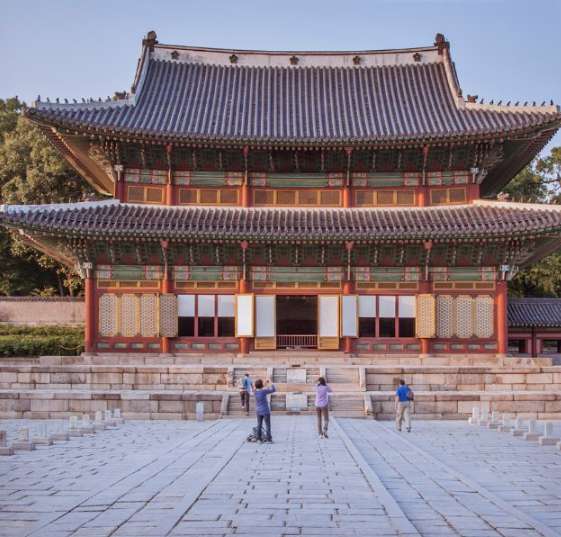
Changdeokgung was originally built as a secondary palace to Gyeongbokgung, but it developed its own distinct character in both purpose and layout. Rather than imposing a rigid symmetrical plan, its buildings were arranged to follow the natural, uneven terrain — a harmony so remarkable that UNESCO designated the complex a World Heritage Site in December 1997.
What Not to Miss: Huwon (the Secret Garden)
The heart of Changdeokgung is Huwon, also known as the Secret Garden. You cannot walk through it freely — entry is only possible with a guided tour, and the Huwon ticket must be purchased separately from the general palace admission. I strongly recommend booking your time slot online in advance. On-site tickets often sell out quickly, and the wait can be long.
Insider Tip
Changdeokgung is closed every Monday (the opposite of Gyeongbokgung). Huwon tour slots are limited and fill up fast, so check the reservation page at least a week before your visit to avoid disappointment.
Deoksugung: Where Tradition and Modern History Coexist
What It Is
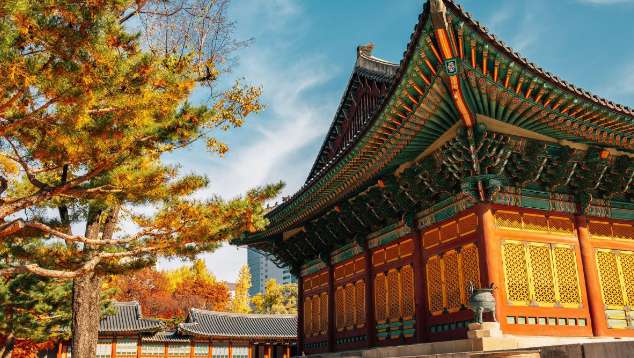
Deoksugung is smaller than the other palaces, but it holds something the others don’t: a living record of the Korean Empire’s modern history. Traditional hanok buildings sit side by side with the Western-style stone hall, Seokjojeon — a striking contrast you won’t find anywhere else.
What Not to Miss
The Deoksugung Stone Wall Path, which runs along the palace’s outer wall, is widely considered one of the most photogenic walking routes in Seoul. It connects directly to Jeongdong-gil, making it a great spot for a coffee-in-hand stroll. The Royal Guard Changing Ceremony runs here regularly as well.
Insider Tip
Deoksugung is also closed on Mondays. Visitors with a disability card can enter for free — severely disabled visitors get free entry for themselves plus one companion, while those with milder disabilities get free entry for themselves only. If this applies to you, bring your ID and disability card.
Changgyeonggung: The Quiet Palace Most Tourists Overlook
What It Is
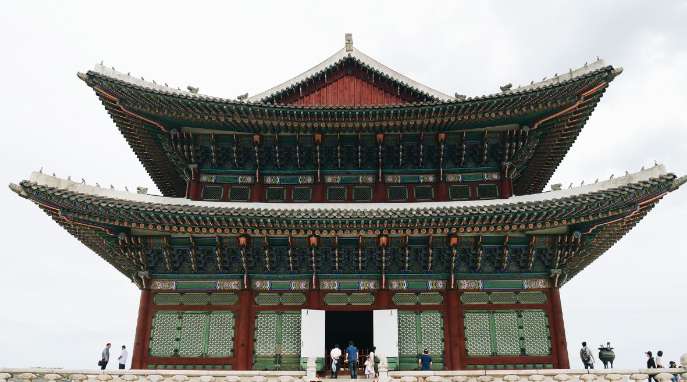
Compared to Gyeongbokgung or Changdeokgung, this is a palace even many Koreans don’t visit often — which means it’s genuinely peaceful. If you want to wander a royal palace without fighting crowds, this is the one.
What Not to Miss
During certain seasons, designated areas open for night viewing, including Honghwamun Gate, Myeongjeongjeon Hall, Tongmyeongjeon Hall, Chundangji Pond, and the Grand Greenhouse. The Grand Greenhouse in particular is one of the oldest surviving Western-style greenhouses in Korea and makes for a fantastic photo spot.
Insider Tip
Changgyeonggung is closed on Mondays as well. During night-opening periods, there are set transition times between the daytime and nighttime sections — check the latest schedule on the palace administration’s notice board before you go, so you’re not caught waiting at the wrong gate.
Gyeonghuigung: Free Admission, the Hidden Palace for a Peaceful Visit
What It Is
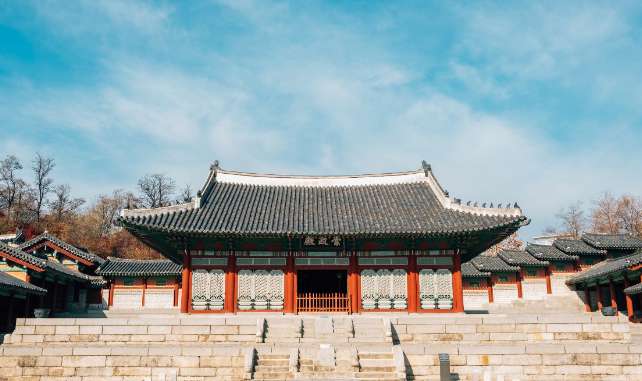
Gyeonghuigung is the smallest of the five, but it has one major advantage: it’s completely free to enter. It sits right next to the Seoul Museum of History, so pairing the two gives you a much richer sense of the city’s history in one visit.
What Not to Miss
It’s less ornate than the other palaces, but that’s exactly the point — almost no crowds, ideal for quiet photos and a slow walk. If you want to feel the atmosphere of a royal palace without spending a won, this is the spot.
Insider Tip
Since it’s free, there’s no reservation or ticketing process to plan around, which makes Gyeonghuigung the easiest palace to slot into a flexible itinerary. It works well as a short stop between other things you’re doing around Gwanghwamun.
How to Choose the Right Palace for You
- Only have one day? → Gyeongbokgung (unmatched scale and symbolism)
- Love gardens and nature? → Changdeokgung’s Huwon (book ahead)
- Want the best photo walk? → Deoksugung’s stone wall path
- Want peace and quiet? → Changgyeonggung
- Traveling on a budget? → Gyeonghuigung (free)
Pre-Visit Checklist
- Check whether the combined ticket for Gyeongbokgung, Changdeokgung, Deoksugung, and Changgyeonggung is worth it (cheaper than buying separately)
- Confirm the closing day for the palace you’re visiting (Gyeongbokgung = Tuesday, the rest = Monday)
- Check if you qualify for free entry by wearing hanbok
- Book Changdeokgung’s Huwon online at least a week in advance
- Reconfirm night-opening schedules, since they change by season
Do you have a better sense of which palace to start with now? In the next posts, I’ll cover Gyeongbokgung, Changdeokgung, Deoksugung, Changgyeonggung, and Gyeonghuigung individually, in more depth. If there’s a specific palace you’re curious about first, let me know in the comments and I’ll bump it up in the schedule.