There’s one question that comes up again and again from travelers visiting Seoul for the first time. “I really want to try a jjimjilbang — but I have no idea how it works.” An unfamiliar space. A language barrier. The idea of undressing in front of strangers. These three things stop most first-time visitors at the door.
But here’s the truth: the same place where Korean families spend their weekends together is completely open to anyone. And once you’ve been, it tends to become the most memorable part of the entire trip.
This guide walks you through everything — the layout, the check-in process, the types of sauna rooms, the food you have to try, the unwritten rules, and the questions foreign visitors ask most. By the end, you’ll walk in confident.
A Jjimjilbang Is Not Just a Bathhouse
A jjimjilbang is a Korean wellness complex that combines a bathhouse, sauna, sleeping areas, food court, and entertainment — all under one roof. You can bathe, sweat in different temperature rooms, eat, nap, and simply hang out for as long as you like. Most are open 24 hours.
According to the Korea Tourism Organization, more than 1,000 jjimjilbangs operate across South Korea. A 2023 study from Seoul National University found that 60% of Koreans visit a bathhouse every month. This is not a tourist attraction — it’s a genuine part of everyday Korean life.
Step-by-Step: How to Use a Jjimjilbang
Step 1 — Shoes Off, Pay the Entry Fee
Remove your shoes at the entrance and store them in a shoe locker. Pay the admission fee and you’ll receive a key or electronic wristband. This key links to your locker and covers any in-house purchases you make during your stay. Entry fees typically range from ₩15,000 to ₩25,000.
Step 2 — Collect Your Uniform and Towels
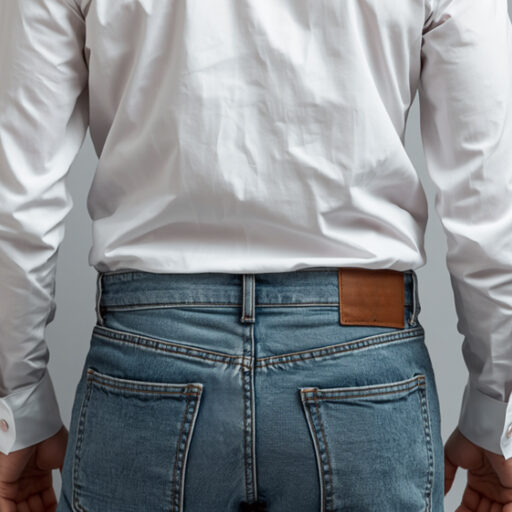
Exchange your shoe locker key at the counter for your jjimjilbang outfit — a t-shirt and shorts — along with two towels. Change in the locker room and store your belongings in your assigned locker.
Important to know: The bathing area is fully separated by gender. You undress only inside the gender-separated bathing zone. In all shared spaces — sauna rooms, lounges, sleeping areas — you must wear the provided uniform at all times.
Step 3 — Use the Bathing Area
Always shower before entering any tub. This is the most fundamental rule of jjimjilbang etiquette. Most Koreans alternate between hot and cold pools throughout their session. This pattern is said to improve circulation — take your time and go at your own pace.
Step 4 — Change Into Your Uniform and Use the Shared Spaces
After bathing, put your uniform back on and move to the communal area. From here, sauna rooms, rest lounges, the dining area, and sleeping spaces are all available to use freely. There is no time limit on most areas.
Step 5 — Exit and Pay
When you’re ready to leave, return your key and settle any additional charges — food, body scrub services, or extra time. Most jjimjilbangs do not allow re-entry after you leave, so make sure you have everything before heading out.
Sauna Room Types — What Each One Does
One of the best parts of visiting a jjimjilbang is that there isn’t just one sauna room. There are several, each with a different temperature, material, and purpose.
Hanjeungmak — The Original Korean Sauna
A dome-shaped room built from clay or stone, heated by a wood-burning stove. Temperatures can reach 80–90°C (176–194°F). This is the most traditional form of Korean sauna and produces the most intense sweat. Start with a shorter session if it’s your first time.
Hwangto-bang — Red Clay Sauna
Built with red clay walls and flooring, this room emits far-infrared rays, which are associated with improved circulation, detoxification, and relief from joint pain. Temperature is lower than the hanjeungmak, making it more accessible for beginners.
Charcoal Sauna
Heated using charcoal, this room runs at around 60–70°C (140–158°F) and emits negative ions along with infrared rays. The milder temperature makes it a good starting point for first-time visitors.
Salt Room (Sogeum-bang)
This room makes use of the thermal conductivity and mineral content of salt. It is associated with improved blood circulation, pain relief, and toxin elimination.
Ice Room / Cold Room
A chilled room designed to bring your body temperature down after a hot sauna session. Alternating between hot and cold rooms is a common and effective circulation technique.
Oxygen Room (Sanso-bang)
This room has a higher oxygen concentration and a noticeably calm atmosphere. Many visitors find themselves drifting off to sleep here without intending to.
What to Eat at a Jjimjilbang
The food at a jjimjilbang isn’t just a snack break. It’s part of the experience.
Maekbanseok Eggs — Roasted Eggs ₩1,000–2,000 Eggs slow-roasted inside the hot sauna rooms until the shells turn brown. They are the single most iconic jjimjilbang food item. Salty, slightly sweet, and unlike any egg you’ve had before.
Sikhye — Sweet Rice Drink A cold, lightly sweet fermented rice drink served after a long sweat session. The combination of roasted eggs and sikhye is the classic jjimjilbang pairing — every Korean knows it.
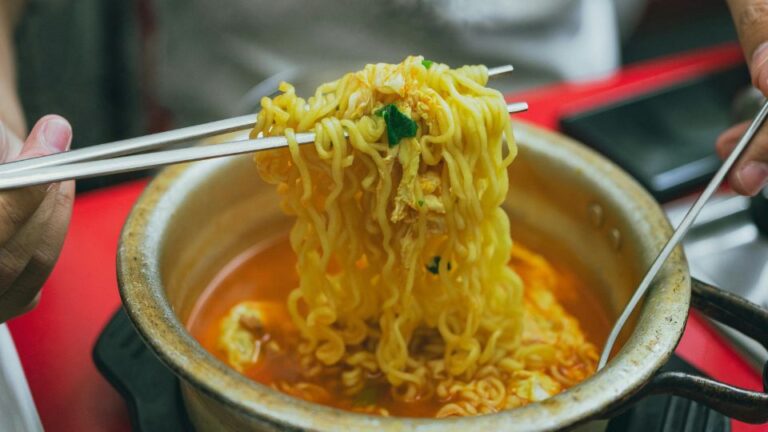
Cup Ramen A simple and satisfying option when you need something more filling. Hot noodles after a sauna session hit differently than anywhere else.
Seshin — The Korean Body Scrub
Worth Trying at Least Once
Seshin is a professional Korean exfoliation treatment in which an attendant scrubs your entire body with a coarse Italy towel, removing layers of dead skin. It sounds intense — because it is — but your skin will feel like a baby’s afterward.
Cost: ₩20,000–40,000 depending on the facility.
During busy periods there may be a wait, so it’s worth booking this service shortly after you arrive rather than leaving it until later.
Etiquette — What to Do and What to Avoid
✅ Always Do This
- Shower before entering any tub — no exceptions
- Wear your uniform in all shared and communal areas
- Keep your voice low in sauna rooms and sleeping areas
- Stay hydrated — the combination of saunas and hot pools dehydrates you faster than you expect
- Wrap your towel into a “sheep horn” shape on top of your head — it’s a jjimjilbang tradition that protects your hair from the heat. Everyone does it. Take a selfie.
❌ Never Do This
- Taking photos in the locker room or bathing area is strictly prohibited and will result in immediate removal from the premises. In shared spaces, always be mindful of others before taking out your phone.
- Making loud phone calls or having disruptive conversations
- Bringing food or drinks into the bathing area
- Touching other people’s belongings or occupying their space without permission
FAQ — Questions First-Time Foreign Visitors Ask Most
Q. Can I visit if I have tattoos? Policies have relaxed significantly in recent years. Small tattoos are generally accepted at most jjimjilbangs. Large or full-body tattoos may still be restricted at some facilities — it’s best to call ahead and confirm. Sparex Dongdaemun and Spa Lei are known to be more lenient on this policy.
Q. Do I really have to be completely undressed? Yes, in the gender-separated bathing area, nudity is standard. The bathing zones are fully private from the opposite gender. It feels awkward for about five minutes — then you realize nobody is paying any attention. Koreans have been doing this since childhood. It’s completely normal, and within five minutes you’ll forget about it too.
Q. Can I bring my luggage? Yes. Most jjimjilbangs will store oversized bags at the front desk if they don’t fit in a standard locker. This makes them a practical option even if you’re arriving directly from the airport.
Q. Can I sleep overnight? Yes. Most jjimjilbangs operate 24 hours and maintain a designated sleeping area. If you exceed the base entry period, additional charges of ₩2,000–5,000 per hour may apply. It’s a genuinely budget-friendly alternative to a hotel for one night.
Q. Will staff speak English? Large jjimjilbangs in Seoul often have basic English signage and staff who can assist with the check-in process. The entry procedure itself is straightforward and visual — even without shared language, most visitors navigate it without difficulty. A translation app loaded on your phone before you arrive removes any remaining uncertainty.
Q. Can I bring children? Children under 48 months (4 years old) may use the bathing area with a parent of the opposite gender. Children older than this are expected to use the facilities that match their own gender. If you’re visiting with young children, check the specific jjimjilbang’s policy in advance.
Q. What should I bring? The uniform and basic towels are provided. A few things worth packing: a change of underwear, personal toiletries if you have preferences (shampoo and body wash are usually provided), a small amount of cash for food and optional services, and a reusable water bottle. Keep your phone out only in the communal areas — never in the bathing zones.
3 Foreigner-Friendly Jjimjilbangs in Seoul
For a first visit, a larger, well-established facility makes the experience smoother.
Dragon Hill Spa — Yongsan One of Seoul’s most famous jjimjilbangs and a landmark in itself. High volume of international visitors, reasonably good English signage, and an outdoor swimming pool. A reliable first choice.
Siloam Sauna — Near Seoul Station Offers a wide variety of sauna rooms including a salt room, oxygen room, and charcoal sauna. Known for clean and well-maintained sleeping facilities. Walking distance from Seoul Station — convenient for travelers with early or late transport.
Spa Lei — Dongdaemun Known for being relatively accommodating on tattoo policies and popular among international visitors. A solid option for travelers who have been turned away elsewhere or want a more relaxed environment.
Before visiting any facility, confirm current entry fees and operating hours through the official website or Naver — prices and hours may vary by season and day of week.
Why You Should Go Before You Leave Seoul
A jjimjilbang is a different kind of experience from any other activity in Seoul. It’s not a palace, not a restaurant, not a market. It’s an unfiltered look at how Koreans actually live — how they unwind, recover, and spend time together.
Most first-time visitors feel hesitant before they go. Most of those same visitors wish they had gone sooner.
Set aside half a day during your Seoul trip. Go after a long day of sightseeing, when your feet are sore and your energy is gone. Sink into a hot pool, work through the sauna rooms at your own pace, crack open a roasted egg, and pour yourself a cold sikhye.
You’ll wake up the next morning feeling completely restored — and wondering why this isn’t a thing everywhere else in the world.