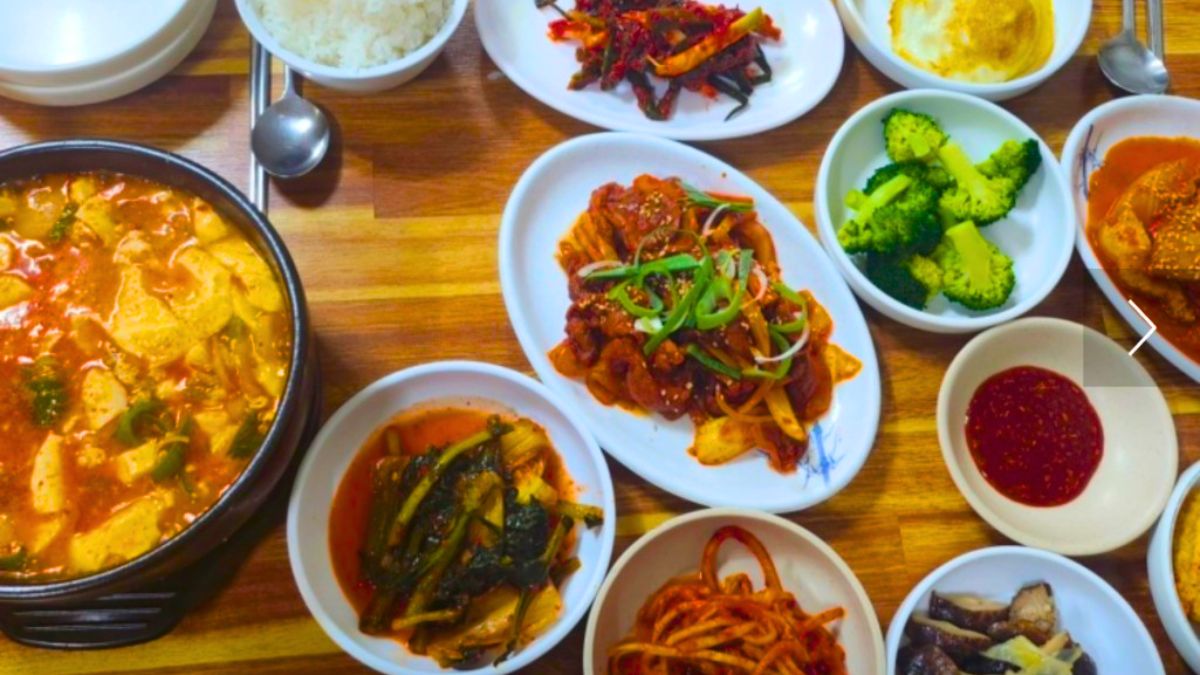
Gyeongdong Restaurant (경동식당) serves the most honest $7 meal I’ve found anywhere in Korea. Freshly cooked stone pot rice, grilled mackerel, Jeolla-style fermented side dishes, and 10 handmade banchan — all on one table, all for ₩10,000.
Living in Korea, whenever a foreign visitor asks me where to find real Korean home cooking, this is the place I think of first. It isn’t glamorous. But the moment you take your first spoonful, you understand exactly why it has been packed for 30 years.
What Is Baekban? (And Why It Matters More Than Bibimbap)
Baekban (백반) is Korea’s everyday full-table meal.
Order one dish, and the table fills up with rice, soup, and a spread of small side dishes — all included in the price. Think of it as the restaurant version of what a Korean family eats at home on a regular weekday.
It gets far less attention than bibimbap or bulgogi on travel blogs. But if you want to understand what Korean food actually is in daily life, a baekban restaurant is where you need to eat.
Gyeongdong Market: Seoul’s Most Authentic Traditional Market
To fully appreciate Gyeongdong Restaurant, you should know where it sits.
Seoul has well-known markets — Gwangjang and Namdaemun draw crowds of tourists every day. But Gyeongdong Market (경동시장) is different. According to Visit Seoul, the official Seoul tourism guide, approximately 70% of Korea’s herbal medicine supply passes through this market. That’s not a tourist statistic — that’s how deeply embedded this place is in the daily lives of ordinary Koreans.
The crowd here skews older. Neighborhood residents, market vendors, merchants opening their stalls before sunrise. Prices are realistic. The food is honest.
What Makes Gyeongdong Market Worth the Visit
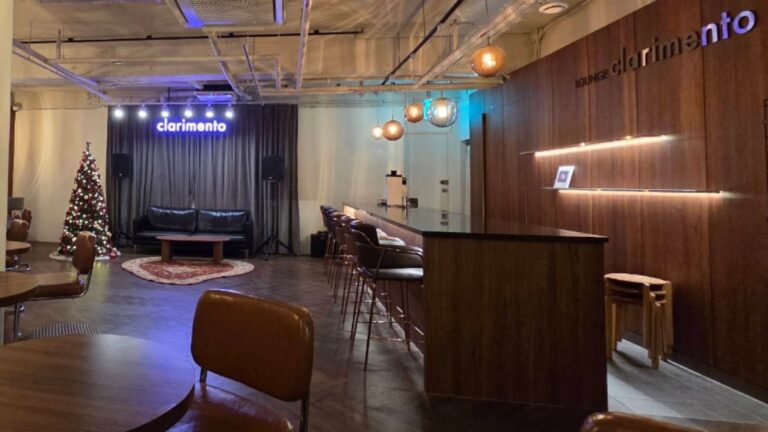
Starbucks Gyeongdong 1960, housed inside the shell of a 1960s-era movie theater, has recently brought a younger generation to the market.
But the real draw — the part that hasn’t changed in 30 years — is the row of old restaurants that open before the rest of the city wakes up. Gyeongdong Restaurant is one of them.
2:30 AM: When the Owner’s Day Begins
You cannot talk about this restaurant without talking about the woman who runs it.
The owner — a woman in her 60s from Yeosu, South Jeolla Province — arrives alone every single day at 2:30 in the morning. From that moment until the restaurant opens at 6:30 AM, she prepares every side dish entirely by hand. More than ten dishes, prepared solo, from scratch, before dawn.
Her guiding principle for 30 years: “I cook as if I’m feeding my own family.”
That isn’t marketing language. You feel it the moment the table is set in front of you. Nothing is over-seasoned, nothing is rushed, nothing is compromised. Three decades of doing the same thing the right way — that’s what “hand-crafted flavor” actually means.
The Moment the Lid Comes Off
You sit down, and within minutes, the table begins to fill.
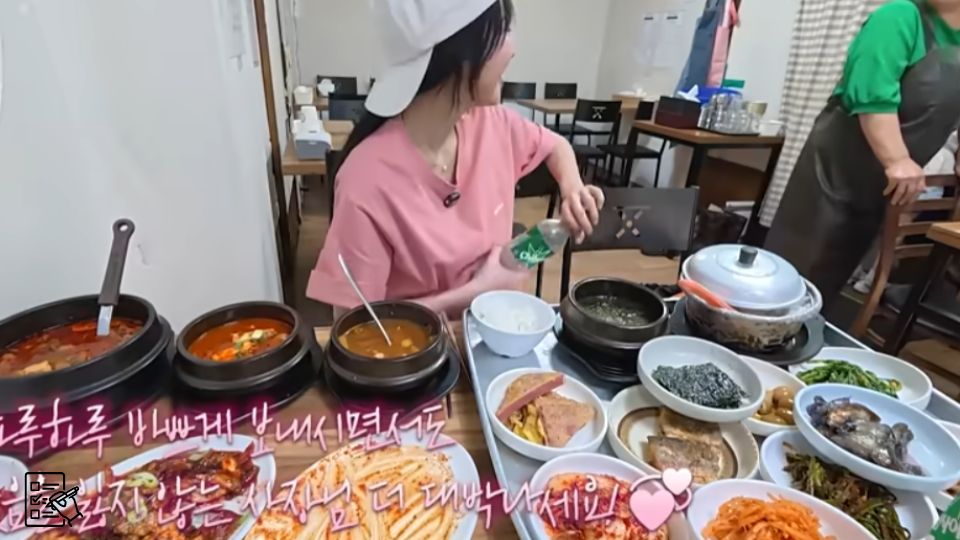
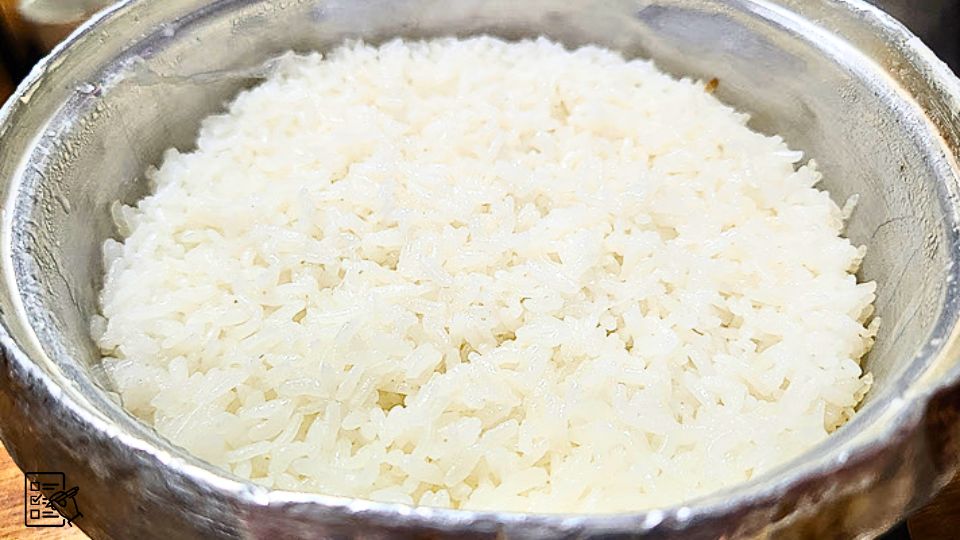
First, the banchan — ten small dishes arranging themselves across the table surface. Then the stone pot arrives directly from the stove and is set down in front of you. You lift the lid, and steam rises, carrying the warm, nutty smell of freshly cooked rice.
This is not rice from an electric cooker that’s been sitting on keep-warm. It was put on the fire the moment your order was placed. That difference matters more than it sounds.
Why Stone Pot Rice Changes the Whole Meal
Rice cooked in an electric cooker loses moisture during the warming cycle. Stone pot rice (냄비솥밥) comes straight off the flame, so every grain is glossy, plump, and just-cooked. A crisp layer of scorched rice forms on the bottom of the pot.
After the meal, hot water is poured over that scorched layer. It becomes sungnyung (숭늉) — a warm, nutty tea made from toasted rice, a tradition that goes back centuries in Korean home cooking.
For Koreans, this is the taste of a grandmother’s kitchen. For a foreign traveler, there is no equivalent experience you can find anywhere else.
10 Side Dishes: Jeolla Province Cooking at Its Best
The banchan at Gyeongdong Restaurant is rooted in Jeolla Province (전라도) tradition — widely regarded as the finest regional cuisine in Korea.
Jeolla cooking is known for its fermented flavors, its variety of seasoned vegetables, and its rich jeotgal (젓갈, salted fermented seafood). The spread typically includes grilled mackerel or braised fish, Jeolla-style fermented side dishes, three or four different seasoned vegetables, kimchi, and savory pancakes.
Nothing is aggressively seasoned. Every dish lets the ingredient speak for itself. This is what Korean home cooking is supposed to taste like — before convenience shortcuts entered the picture.
Menu & Pricing
| Menu Item | Description | Price |
|---|---|---|
| Today’s Baekban | Stone pot rice + 10 side dishes, soup | ₩10,000 |
| Kimchi Jjigae | Spicy kimchi stew + rice | ₩10,000 |
| Doenjang Jjigae | Savory fermented soybean paste stew + rice | ₩10,000 |
| Budae Jjigae | Korean army stew with ham and sausage + rice | ₩10,000 |
| Sundubu Jjigae | Soft tofu stew + rice | ₩10,000 |
| Spicy Pork Stir-Fry | For 2+ people | ₩11,000 |
| Spicy Squid Stir-Fry | For 2+ people | ₩12,000 |
On a first visit, order Today’s Baekban. It is the signature of the restaurant — the only way to get the stone pot rice alongside the full 10-dish spread.
In real money: ₩10,000 is roughly $7 USD / €6 EUR. That price covers rice, soup, 10+ side dishes, and a warm pot of sungnyung to close the meal. It costs less than two coffees at a Seoul café.
⚠️ Important before you go: The stone pot rice is only provided when two or more people order together. If you’re visiting solo, the jjigae (stew) options are excellent in their own right — don’t let that stop you. And note that the restaurant closes at 2:30 PM — plan accordingly and aim to arrive before noon.
Getting There & Essential Info
| Address | 12 Gosanja-ro 42-gil, Dongdaemun-gu, Seoul (alley near Gyeongdong Market) |
| Map | Search “경동식당” on Naver Maps or Kakao Maps |
| Hours | 06:30 – 14:30 |
| Closed | Sundays |
| Subway | Seoul Metro Line 1 — Jegi-dong Station, Exit 2 (under 5 min walk) |
| Payment | Primarily cash (confirm card availability on-site) |
- Gyeongdong Restaurant : https://map.naver.com/p/entry/place/1659287482
Timing tip: Please go to the exact address. There is another restaurant with the same name.
Side dishes are made fresh each morning in limited quantities. Arriving before 11:00 AM gives you the best selection and the best chance of a seat. The lunch rush between noon and 1:00 PM fills the restaurant quickly.
Pair It with a Gyeongdong Market Walk
The restaurant sits in an alley directly beside Gyeongdong Market. Spending an hour in the market before or after your meal turns a single restaurant visit into a genuine half-day experience.
The herbal medicine alley alone — with its dried roots, grains, and medicinal herbs — is unlike anything most travelers have encountered. Starbucks Gyeongdong 1960, tucked inside a converted 1960s theater, is a striking contrast just steps away. And the Seoul Yangnyeongsi Herb Medicine Museum nearby charges only ₩1,000 entry and gives real context to the neighborhood’s history.
Suggested route: Jegi-dong Station Exit 2 → Gyeongdong Market herbal alley walk → Gyeongdong Restaurant for breakfast or lunch → Starbucks Gyeongdong 1960 for coffee
Korean Baekban Dining: What to Know Before You Sit Down
① Banchan is shared, not individual Every side dish on the table is communal. Everyone at the table eats from the same dishes. You can portion into your own bowl or eat directly from the shared dishes — both are standard.
② Keep the rice bowl on the table In Korean dining etiquette, you do not pick up the rice bowl to eat from it. Leave it on the table and use your spoon. The same applies to the soup bowl — sipping from the rim is considered impolite.
③ Eating quietly is normal here Traditional Korean meal culture emphasizes focused, unhurried eating. A quieter table is not awkward — it means people are enjoying the food.
④ Wait for the most senior person at the table If you’re dining with older guests, it’s customary to wait until they pick up their spoon before you begin eating. This is a basic expression of respect in Korean culture.
Who Should Make This Trip
- Travelers who want to taste authentic Korean home cooking, not a restaurant version of it
- Anyone ready to go beyond bibimbap and bulgogi and experience how Koreans actually eat every day
- Food travelers curious about Jeolla Province cuisine — fermented side dishes, grilled fish, seasoned vegetables
- Anyone combining a meal with a Gyeongdong Market walk and looking for a natural anchor point
- Budget travelers who want a complete, memorable Korean meal for under $8
One Last Thing
Living in Korea, this is what I notice about restaurants like Gyeongdong: the only way this level of care is possible at this price is when the meal is someone’s life’s work — not their business strategy.
Up at 2:30 AM. Every dish made by hand. Closed by 2:30 PM. Thirty years without a single shortcut. That commitment is what you’re tasting in every bite.
Gyeongdong Restaurant isn’t the meal you brag about for the Instagram shot. It’s the meal you remember months later, on a regular Tuesday, when you wish you could eat that well again.
If you’re planning time in Seoul’s Gyeongdong Market area, build your morning around an early arrival here. Aim to be seated before 11:00 AM. The rice goes on the fire when you order — and there is no better version of that moment waiting anywhere else in this city.
Budget-Friendly Eats in Korea — the series continues. More honest local recommendations coming soon.