Everyone Says Go to Seongsu-dong. Nobody Explains How.
Spend five minutes planning a Seoul trip and the name comes up.
Seongsu-dong. “Seoul’s Brooklyn.” “The MZ generation’s holy ground.” “Korea’s pop-up capital.” The descriptions pile up fast — and then stop. What most guides don’t tell you is which exit to use, how to actually get into a pop-up event without a Korean account, or which spots are worth your money and which are just worth a photo.
This isn’t a mood piece about Seongsu-dong’s industrial charm. This is the practical version — what a first-time foreign visitor actually needs to spend a good day here, navigate the pop-up culture, and leave having experienced something real.
Why Seongsu-dong Gets This Much Attention — The Numbers Tell the Story
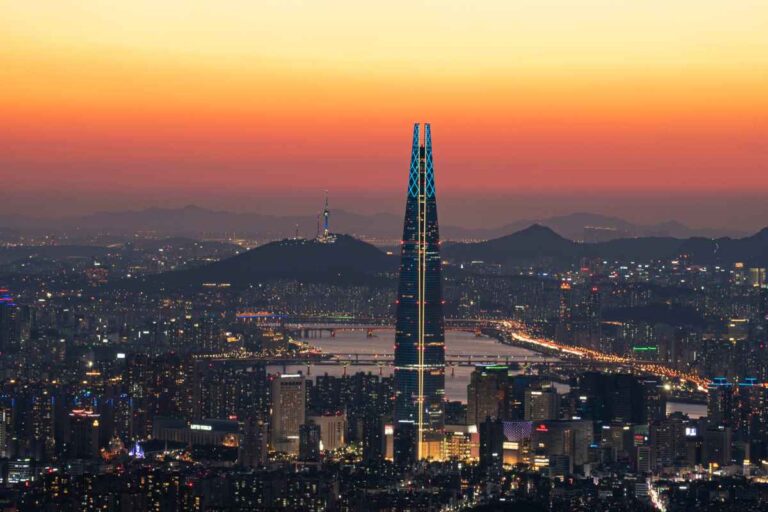
Seongsu-dong started as a shoemaking district on Seoul’s eastern edge. For decades, the neighborhood ran on leather workshops and small factories, tucked between the Han River and Seoul Forest. Then, in the early 2010s, artists and café owners began moving in, drawn by low rents and direct subway access.
The transformation picked up speed quickly.
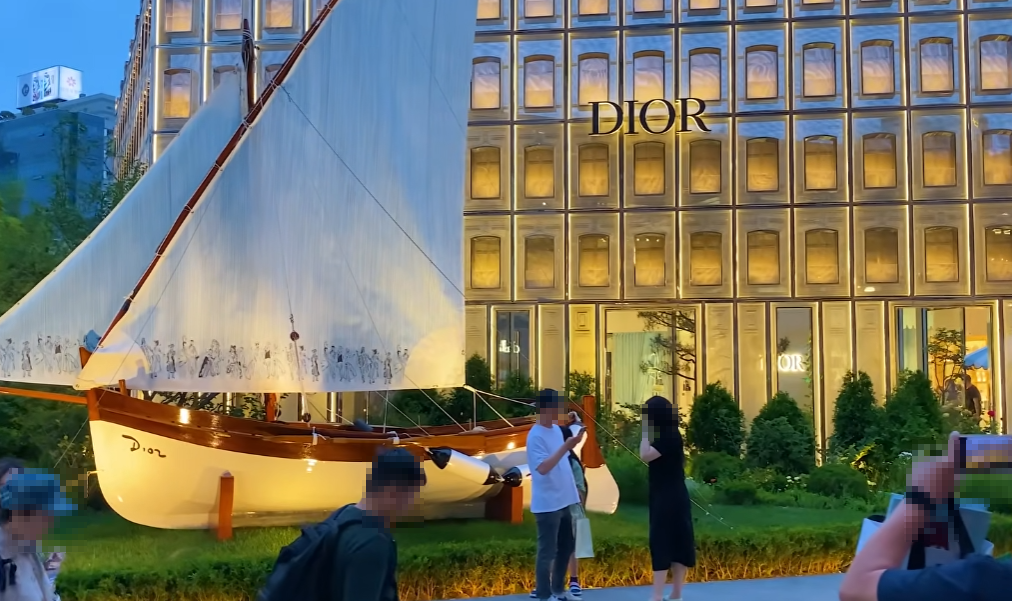
In 2021, SM Entertainment relocated its headquarters from Gangnam to Seongsu-dong and opened its official retail experience store, KWANGYA SEOUL, here. In 2022, luxury house Dior opened Dior Seongsu — a glass-structure concept space designed directly by the Paris headquarters — in the middle of the neighborhood. In 2024, Time Out named Seongsu-dong the fourth coolest neighborhood in the world.
Today, Seongsu-dong holds the highest concentration of pop-up stores in Seoul by official count. As of 2026, more than 200 pop-ups operate in rotation at any given time — global fashion houses, K-beauty brands, K-pop fan activations — cycling through converted warehouses and factory spaces on timelines that typically run one to four weeks.
Why do brands choose Seongsu-dong over everywhere else in Seoul? Because opening here signals something. It tells the market you’re setting the trend, not following it.
4 Places in Seongsu-dong That Are Actually Worth Your Time
1. Yeonmujang-gil — The Street That Defines the Neighborhood
Exit 3 at Seongsu Station drops you directly onto Yeonmujang-gil. This is the spine of Seongsu-dong. Red-brick warehouse buildings line the street, and within a few blocks you’ll find brand flagship stores, independent café spaces, and rotating pop-up venues clustered together.
Walk slowly here. The storefront that was empty yesterday may be a global brand activation today. In Seongsu-dong, your eyes will always outperform a map.
2. Dior Seongsu — Worth the Stop Even If You Don’t Go Inside
Located at 7 Yeonmujang 5-gil, Dior Seongsu is a semi-permanent concept space designed by Dior’s Paris studio. The translucent glass-and-steel structure, with its Parisian garden references fused with Korean nature elements, has become one of the most photographed facades in Seoul — more people queue for the exterior shot than go inside.
Entry is free. The interior rotates its installation periodically, so check Dior’s official Korean Instagram account (@diorbeautykorea) before visiting to confirm the current experience is running. Sunset is the best time for photos — the glass facade catches the light in a way that daylight doesn’t quite match.
3. Amore Seongsu — Free K-Beauty Samples, No Purchase Required
Amore Pacific’s flagship showroom in Seongsu-dong is one of the best free experiences in Seoul for anyone interested in K-beauty. Hundreds of premium skincare products are available to test at no cost, and the space also offers an AI skin analysis station that reads your skin condition and recommends a customized serum formulation.
The smart move: visit Amore Seongsu before hitting Olive Young. You’ll know exactly which product lines work for your skin before you spend a won. No pressure to buy, no appointments needed.
4. Common Ground — 200 Shipping Containers Turned Shopping Complex
Built from 200 repurposed shipping containers across approximately 5,300 square meters, Common Ground is one of Korea’s most distinctive retail spaces. Independent Korean fashion brands, cafés, and art installations occupy the main floors, while the upper levels regularly host K-pop artist merchandise pop-ups. Check Common Ground’s official Instagram for the current tenant map before visiting — the lineup changes frequently and it’s worth knowing what’s there before you arrive.
Pop-Up Hunting: The Practical Tips Foreigners Actually Need
The biggest barrier to Seongsu-dong pop-ups for foreign visitors isn’t the crowds — it’s the booking system.
Most pop-ups in Seongsu-dong use Kakao Channel or Naver Booking to manage entry slots. Both systems require a Korean phone number and local account to complete a reservation. Without those, you hit a digital wall before you’ve even landed in Seoul.
Here are two ways around it.
The first option is to arrive at the venue at least one hour before it opens. Since 2026, many pop-ups have started placing a multilingual QR code near the entrance — often labeled “Foreigner Kiosk” — which allows on-site walk-in registration without a Korean account. Show up early, find the QR code, and register on the spot.
The second option is to research before you travel. The Pops app and the Seongsu-dong Gorilla website (seongsudonggorilla.com) both publish updated pop-up calendars with dates, locations, and event details. Some events are also bookable through Klook or Creatrip, which support international payment and English interfaces.
When to Go — Timing Makes a Real Difference
Day of the week: Weekend afternoons in Seongsu-dong are genuinely difficult. The narrow alleys between Seongsu Station and Seoul Forest fill up to the point where moving between venues becomes slow and uncomfortable. Arrive on a weekday before 11 AM and the same spaces feel completely different — you can actually look around.
Season: Spring (April to May) and autumn (October to November) are the best windows. Seoul Forest sits right beside Seongsu-dong, and the cherry blossoms in April and autumn foliage in October make the outdoor walk between venues significantly more pleasant. Both seasons also see peak pop-up activity, as brands time their activations to coincide with high tourist traffic.
Summer: July and August are hot and humid. The outdoor sections between venues are manageable with breaks, but it’s worth planning your route to include air-conditioned stops.
Getting There and a Half-Day Route
Subway: Line 2 (Green Line), Seongsu Station, Exit 3. From Gangnam it’s approximately 10–15 minutes. From Hongdae, allow around 20 minutes with a transfer.
Recommended half-day route:
Seongsu Station Exit 3 → Walk Yeonmujang-gil → Dior Seongsu (photo + browse) → Amore Seongsu (free beauty testing) → Pop-up hunting along side streets → Coffee at one of the warehouse cafés → Seoul Forest walk → Return from Ttukseom or Seongsu Station
Total time: 4–5 hours at a relaxed pace. If you’re going deep on pop-ups, the same route can fill a full day.
Realistic cost breakdown:
| Experience | Cost |
|---|---|
| Dior Seongsu / Amore Seongsu entry | Free |
| Most pop-up store entry | Free |
| Café drinks | ₩7,000–₩12,000 (~$5–$9) |
| Photo booth (4-cut instant prints) | ₩5,000–₩8,000 (~$3.70–$5.90) |
| Shopping (indie Korean brands) | ₩20,000–₩80,000+ (your call) |
Seongsu-dong Isn’t a One-Visit Neighborhood
The pop-ups here rotate every one to four weeks. That means the neighborhood you visit in April looks genuinely different from the one in October. It’s exactly why locals keep coming back — and why travelers who’ve been to Seoul once find themselves planning a return.
If it’s your first visit, start at Exit 3 and walk Yeonmujang-gil without a strict plan. One photo outside Dior Seongsu, one free skincare test at Amore, one café with an interesting space — that’s enough to understand what Seongsu-dong actually is.
Before you go, take five minutes to check the Pops app or Seongsu-dong Gorilla. Knowing which pop-ups are running during your visit changes the day completely. The neighborhood rewards people who show up curious — and slightly prepared.