If you can only pick one area in Seoul, make it this one. In a single walkable stretch, you get the grandeur of Gyeongbokgung Palace’s royal history, the living charm of Bukchon’s hanok alleys, the centuries-old culture of Insadong, and the trendy hanok cafes of Ikseondong.
International visitors from the US, Canada, Australia, Europe, Russia, and India consistently rank palace visits as their top priority in Korea, ahead of K-pop experiences.
That’s a notably different pattern from East Asian visitors, who tend to gravitate toward Myeongdong or Dongdaemun. Here’s how to experience this district the right way, and enjoy every minute of it.
Gyeongbokgung: Why It’s Called the Heart of the Joseon Dynasty
Gyeongbokgung isn’t just an old building — it’s 600 years of Joseon dynasty history compressed into one place. In 1395, King Taejo, the founder of Joseon, built it as the very first palace after moving the capital to Hanyang (present-day Seoul). The name “Gyeongbok” means “may the new dynasty enjoy great blessings and prosperity.”
A Turbulent History That Makes It Even More Meaningful
Gyeongbokgung’s story hasn’t been a smooth one. It burned to the ground during the 1592 Japanese invasion and sat in ruins for nearly 270 years, before being magnificently rebuilt in 1865 under the direction of Heungseon Daewongun, the father of King Gojong.
Much of it was later damaged during the Japanese colonial period, but restoration efforts that began in the 1990s are still ongoing today. In 2023, the Wolde platform in front of Gwanghwamun Gate was restored to its original form. What you see when you visit today is the result of generations of effort to bring this palace back.
Knowing this history turns a simple visit into a real encounter with Seoul’s story.
The Highlights Worth Prioritizing
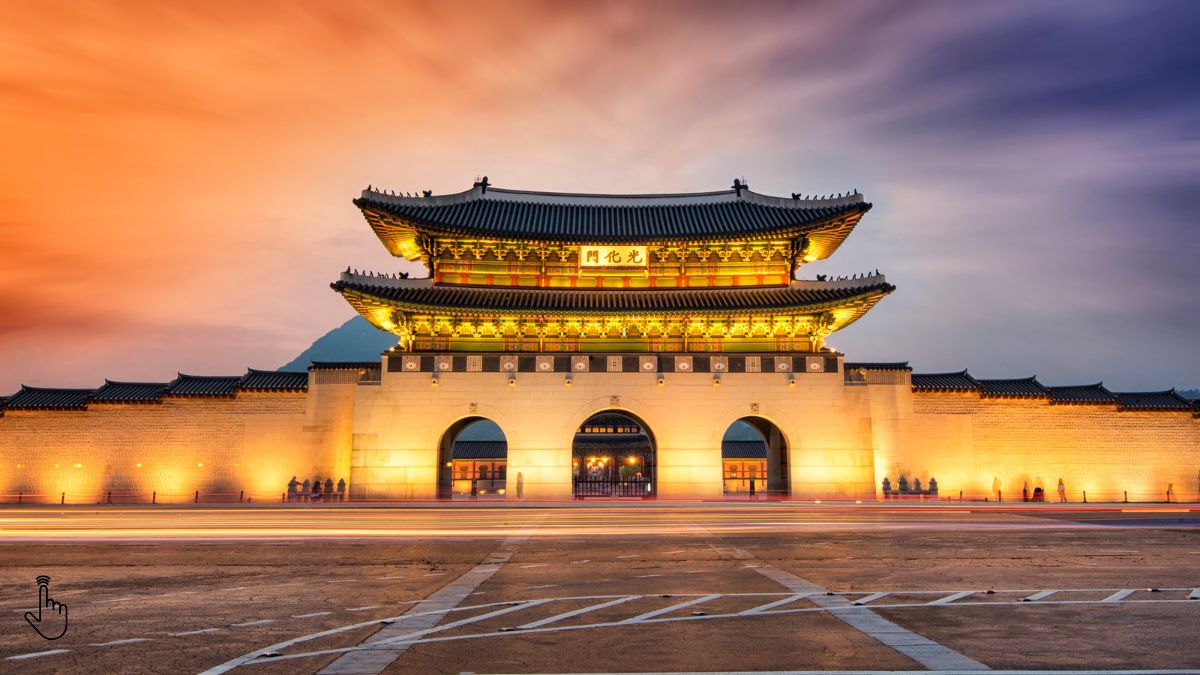
- Gwanghwamun Gate: The palace’s main entrance and one of Seoul’s most iconic landmarks
- Geunjeongjeon Hall: Where the king held state ceremonies with his officials — the single most impressive structure in the entire palace
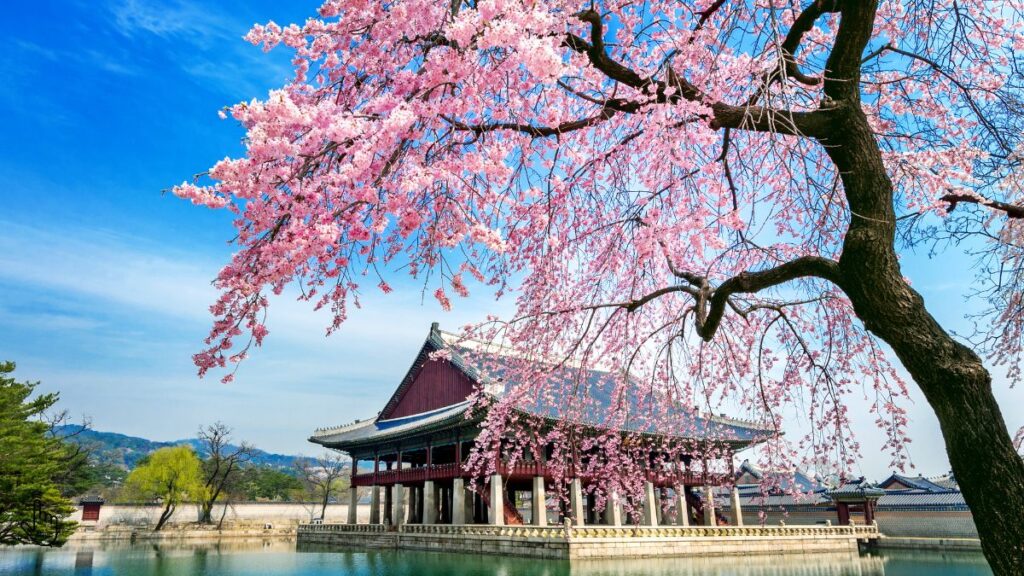
- Gyeonghoeru Pavilion: A pavilion built over a large pond, once the site of royal banquets and now widely considered the most photogenic spot in Gyeongbokgung
- National Palace Museum of Korea: Located just to the left of the entrance, worth a stop if you have extra time
Don’t Miss the Royal Guard-Changing Ceremony
What makes Gyeongbokgung even more special is that its history comes alive right in front of you.
- Royal Guard-Changing Ceremony: 10 AM and 2 PM (twice daily)
- Gwanghwamun Sentry Duty Ceremony: 11 AM and 1 PM (twice daily)
- The palace is closed every Tuesday, so no ceremonies take place that day
Arrive about 15 minutes early to get a good viewing spot. Watching the guards in their elaborate traditional dress march to the sound of the royal band is one of the best photo opportunities in the entire palace.
Wear Hanbok, Skip the Entrance Fee
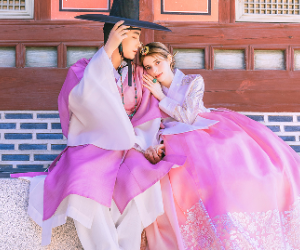
Entrance to Gyeongbokgung is free if you’re wearing hanbok, and taking photos in traditional Korean dress against the palace backdrop is one of the most beloved experiences for international visitors.
Just make sure the jeogori (top) has a proper wrap-around collar and is paired with a full skirt or trousers — most rental shops will already have this covered, but it’s worth a quick check.

Bukchon Hanok Village: Special Because Real People Still Live There
What makes Bukchon so special is that it isn’t a movie set — it’s a genuine neighborhood people still call home.
Hanok houses that have stood for hundreds of years line the alleys, with craft workshops and small galleries tucked between them.
The view of tiled rooftops from the hill in Gahoe-dong is often called one of the most quintessentially Korean scenes in all of Seoul.
Visiting during the daytime, between 10 AM and 5 PM, is when you’ll enjoy it most. During these hours you can explore the craft workshops, stop at traditional tea cafes, and hit every photo spot without any hassle.
Since this is a real residential area, keeping your voice down as you wander the alleys goes a long way — for the neighbors, and honestly, for your own experience too.
Visitors who move quietly through Bukchon tend to be the ones who come away with the most authentic sense of the place.
Insadong: A Living Museum of Korean Tradition
Insadong deserves a spot on your itinerary because it’s the single best place to experience traditional Korean culture in concentrated form.
This street has carried 600 years of history since the Joseon dynasty, and it’s still packed with antique shops, traditional tea houses, art supply stores, and craft galleries.
Insadong-gil is a pedestrian-only street, which makes it easy to stroll at your own pace, whether you’re traveling with kids or just want to take your time with photos.
Sitting down at a traditional tea house for a cup of omija tea or jujube tea is an experience you really can’t get anywhere else in the city. A quick note: some shops here are cash-only, so it’s worth carrying a bit of cash just in case.
Ikseondong: Where 100-Year-Old Hanok Became Trendy Cafes
There’s really one reason to visit Ikseondong: it’s the only place in Seoul where century-old hanok architecture and today’s trendiest cafe culture exist in the same alley.
Hanok houses built in the 1920s have been transformed into stylish dessert cafes and fusion restaurants, making this one of the most photogenic neighborhoods in the city right now.
It’s just a 10-minute walk from Insadong, but the vibe couldn’t be more different. The narrow alleyways, low eaves, and warm lighting give the neighborhood a completely different personality by day and by night.
It’s also easy to reach — just steps from Exit 6 of Jongno 3-ga Station.
A Half-Day Itinerary That Actually Works
- 10:00 AM: Arrive at Gyeongbokgung, catch the royal guard-changing ceremony (free entry if wearing hanbok)
- 11:00 AM–12:00 PM: Explore Geunjeongjeon Hall and Gyeonghoeru Pavilion
- 12:30 PM: Walk to Bukchon Hanok Village, stroll the alleys and try a craft workshop
- 2:00 PM: Head to Insadong, take a break at a traditional tea house
- 3:30 PM: Finish at Ikseondong with coffee or dessert at a hanok cafe
Following this order lets you enjoy all four spots at a relaxed pace, with each one getting its own moment to shine.
Save This Itinerary Before Your Trip
Gyeongbokgung, Bukchon, Insadong, and Ikseondong let you experience Joseon-era history and Seoul’s modern charm in the very same afternoon — it’s a route that never really gets old, no matter how many times you visit.
Bookmark this guide and give it one more look the night before you go. If you’ve been and found a favorite spot or a tip worth sharing, drop it in the comments — future readers will thank you.
Sources Referenced
- Korea Heritage Service official Gyeongbokgung overview
- Seoul Metropolitan Government Media Hub (mediahub.seoul.go.kr)
- Visit Seoul official travel information site
- Korea Heritage Service — Royal Palaces and Tombs Center